
7 min read
4.7
· 761 Amazon ratingsShare This Review
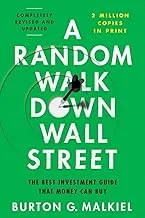
A Random Walk Down Wall Street by Burton G. Malkiel Review: Fifty Years of Indispensable Investing Wisdom
Burton G. Malkiel's A Random Walk Down Wall Street, now in its thirteenth edition published by W. W. Norton & Company to mark the book's fiftieth anniversary, remains the definitive lay guide to the efficient-market hypothesis and passive investing — a Princeton economist's rigorous, jargon-free case that most investors are better served by index funds than by stock-picking or active fund management, backed by over 1.5 million copies sold through its first twelve editions.
LuvemBooks Verdict
Best for
Investors at any stage — from first 401(k) to retirement — who want a rigorous, data-driven case for passive index-fund investing grounded in fifty years of academic research rather than market-beating tips.
Worth it if
Worth it if you want a single, intellectually honest guide that explains why passive investing outperforms active strategies, backed by decades of evidence and updated through 2023 to cover factor investing, ESG portfolios, and tax-smart strategies.
Skip if
Skip it if you're seeking actionable guidance on active trading, options, derivatives, or cryptocurrency, or if you're already well-versed in factor investing and ESG and want more than an introductory treatment of those subjects.
What readers & critics say
Wikipedia notes the book "popularized the random walk hypothesis" and has sold over 1.5 million copies through its twelfth edition, making it one of the most frequently cited works by proponents of efficient-market thinking. Barnes & Noble's listing records Forbes placing it in "the classics category" and notes it appears on "almost every list of must-read investment books," while Banker on Wheels describes it as a bestselling personal finance title that guides most investors toward a completely passive strategy as the most sensible approach.
Sources: Wikipedia, Barnes & Noble, Banker on WheelsAge & Reading Level
Recommended age
Adult
Reading level
Adult
who it suits
Skip if you are looking for guidance on active trading strategies, stock-picking systems, or beating the market.
In This Review
- What Works & What Doesn't
- What the Book Actually Is and Argues
- The Book's Place in Investing Literature
- What the Thirteenth Edition Adds
- Genuine Strengths: Clarity and Intellectual Honesty
- Limitations and Who May Find It Challenging
What Works & What Doesn't
What Works
- Rigorous, data-driven case for passive investing, grounded in academic research on technical and fundamental analysis as well as mutual fund performance
- Exceptional longevity and influence — over 1.5 million copies sold through the twelfth edition, praised as a classic by Forbes and critical coverage
- Thirteenth edition updated to address factor investing, risk parity, ESG portfolios, and tax-smart strategies, keeping it current at fifty years old
- Accessible, jargon-free writing praised by Money magazine as 'engagingly written and wonderfully argued'
- Genuinely broad audience — the publisher designed it to serve investors at every stage, from first 401(k) to retirement
What Doesn't
- Readers drawn to active trading strategies or market-beating systems will find Malkiel's argument a sustained counterpoint rather than a guide to their goals
- Coverage of newer subjects such as factor investing and ESG portfolios, while updated in the thirteenth edition, may feel introductory to readers already versed in those areas
What the Book Actually Is and Argues
The Book's Place in Investing Literature
What the Thirteenth Edition Adds
Genuine Strengths: Clarity and Intellectual Honesty
Limitations and Who May Find It Challenging
Frequently Asked Questions
Sources & Further Reading
The key facts and claims in this review are grounded in the retrieved, verified sources listed below.
- Cited in this review
- 1
- 2
- 3
en.wikipedia.org
- 4
- Further reading
- 5
Burton G. Malkiel, Wikipedia
- 6
- 7
- 8
- 9
- 10
Related Reviews
Reviews of books we picked for readers who enjoyed A Random Walk Down Wall Street.
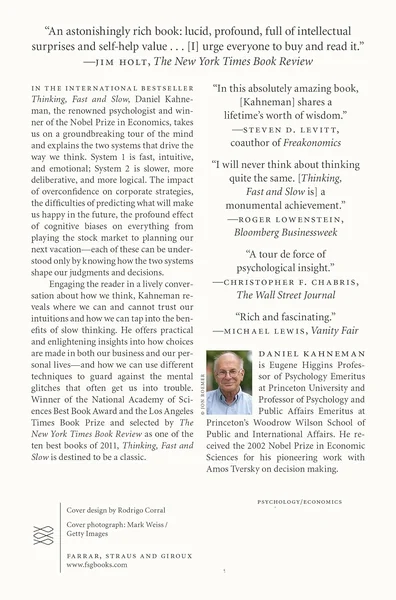
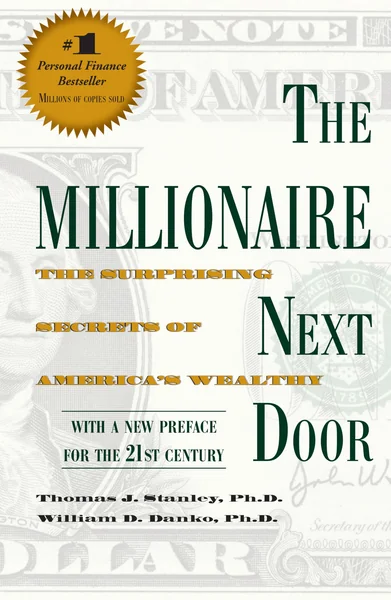
Reader Comments
No comments yet
Be the first to share your thoughts!