Our reviews
16 classics books we've reviewed, each with who it's for, who should skip it and every source we used.
16 reviews match
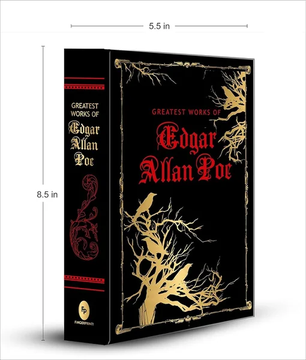
Edgar Allan Poe
Best for: First-time Poe readers who know him by cultural osmosis and want the canonical stories and poems — The Tell-Tale Heart, The Raven, The Murders in the Rue Morgue — in one durable, gift-worthy hardcover.
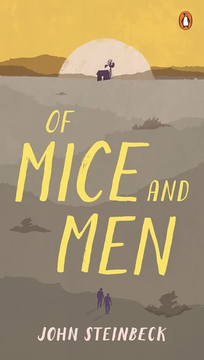
John Steinbeck
Best for: Readers who want a landmark of American literature in a single evening — students encountering it for class, and adults returning to (or finally picking up) Steinbeck's devastating Depression-era novella about friendship, loneliness, and a fragile shared dream.
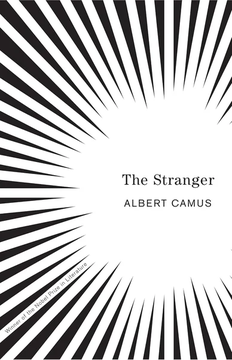
Albert Camus
Best for: First-time readers of Camus choosing an English edition, and anyone raised on the Gilbert translation, who want the foundational absurdist novel in the Ward translation that restored its flat, precise voice.
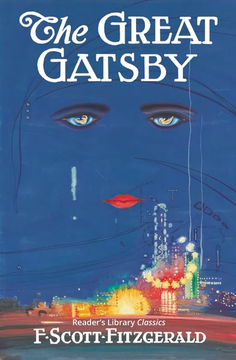
F. Scott Fitzgerald
Best for: Students, first-time readers, and anyone building an affordable personal library of canonical American fiction who wants a compact, physical copy of Fitzgerald's Jazz Age masterpiece without spending much.
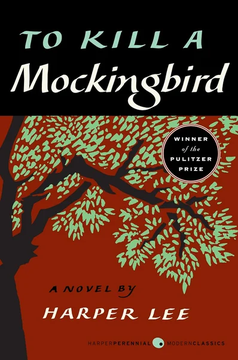
Harper Lee
Best for: Readers aged 14 and up — particularly those drawn to Southern Gothic fiction, courtroom drama, or coming-of-age stories — who want a morally serious novel that uses a child's perspective to illuminate racism and injustice in Depression-era America.
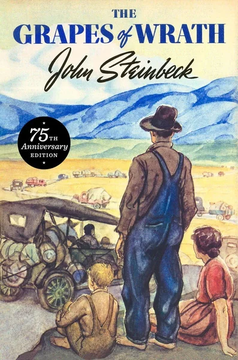
John Steinbeck
Best for: Readers who want to own a presentation-quality hardcover of one of the most decorated novels in American literature — particularly those drawn to the commemorative design of Elmer Hader's original cover art and Michael Schwab's endpapers — as well as first-time readers approaching the Joads' story of Dust Bowl dispossession for the first time.
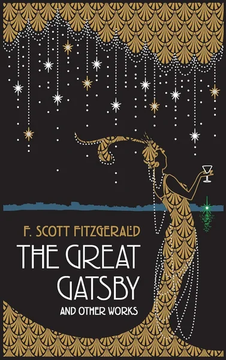
F. Scott Fitzgerald
Best for: Readers new to Fitzgerald's Jazz Age fiction — and devoted admirers or gift-givers — who want a handsome, collector-quality single volume housing all three of his major novels with scholarly context included.
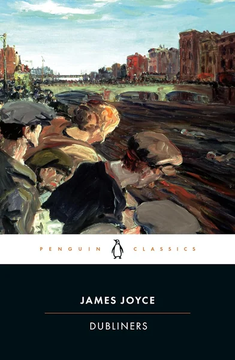
James Joyce
Best for: Students of modernism, readers building a foundation in twentieth-century literature, or anyone who has bounced off Joyce's longer works and wants a genuinely authoritative entry point — complete with scholarly introduction and an estate-endorsed text collated from all known proofs.
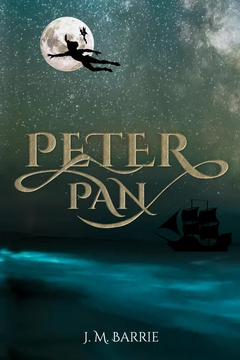
J. M. Barrie
Best for: Families, parents, and educators who want to share Barrie's story in its original, unabridged 1911 form — complete with all 13 of F. D. Bedford's foundational illustrations — for bedtime reading, family read-alouds, or a young reader's first encounter with the classic text.
René Descartes
Best for: Undergraduate philosophy students or independent readers encountering modern Western philosophy for the first time, who need a compact, affordable, and accessible entry point into Descartes's foundational arguments in a widely adopted teaching translation.
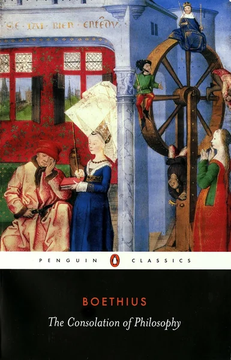
Ancius Boethius
Best for: General readers and students coming to Boethius for the first time who want an accessible, well-introduced entry point into one of the Western tradition's most consequential philosophical texts.
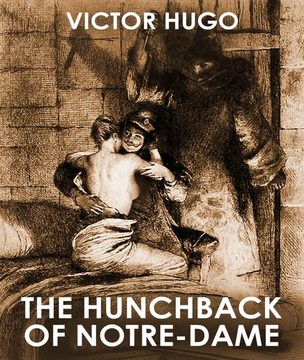
Victor Hugo
Best for: Readers who know Hugo primarily through film or stage adaptations and want to encounter the full, unabridged novel he actually wrote — complete with its architectural arguments, moral complexity, and tragic arc.
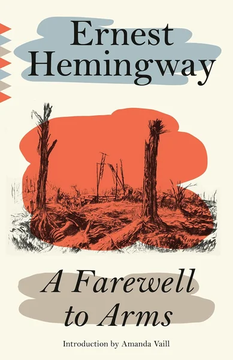
Ernest Hemingway
Best for: Students, first-time readers of Hemingway, and general readers building a shelf of canonical American fiction who will benefit from Amanda Vaill's contextual introduction in this 2025 Vintage Classics edition.
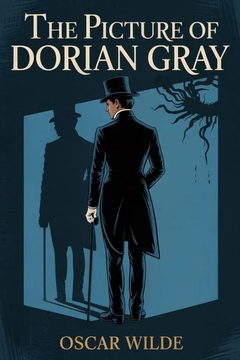
Oscar Wilde
Best for: Readers drawn to ideas as much as plot — particularly those interested in Gothic fiction, Victorian literature, or philosophical horror — who want a richly layered novel that works simultaneously as moral fable, aesthetic manifesto, and supernatural tale.
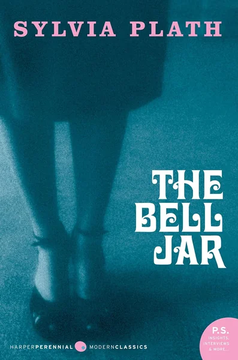
Sylvia Plath
Best for: Readers drawn to confessional literature, mid-century American fiction, or first-person psychological narratives who want a novel that functions simultaneously as a feminist critique of 1950s societal expectations and a raw, roman à clef account of a young woman's breakdown and recovery.
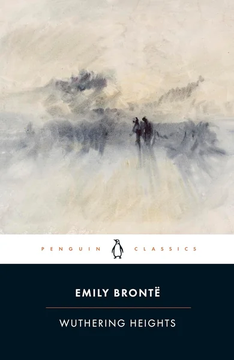
Emily Brontë, Pauline Nestor
Best for: Students, serious general readers, and anyone returning to Wuthering Heights who wants scholarly grounding — Pauline Nestor's introduction and Lucasta Miller's preface make this edition especially well-suited to academic and classroom contexts.
