Our reviews
11 classics books we've reviewed, each with who it's for, who should skip it and every source we used.
11 reviews match
J.R.R. Tolkien
Best for: Readers who have already journeyed through The Fellowship of the Ring and The Two Towers and are ready to engage with the full thematic and mythological scope of Tolkien's conclusion — including those drawn to the academic and linguistic depth offered by the complete appendices.
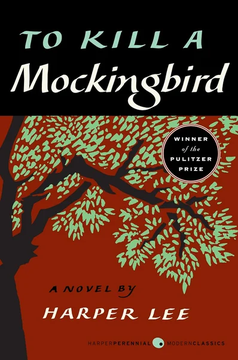
Harper Lee
Best for: Readers aged 14 and up — particularly those drawn to Southern Gothic fiction, courtroom drama, or coming-of-age stories — who want a morally serious novel that uses a child's perspective to illuminate racism and injustice in Depression-era America.
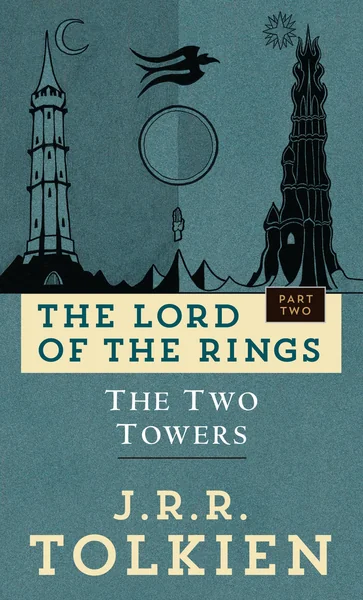
J.R.R. Tolkien
Best for: Readers already committed to The Lord of the Rings who want to see its scope and ambition reach full stride, with escalating battles, the haunting Gollum, and Tolkien's richest thematic terrain.
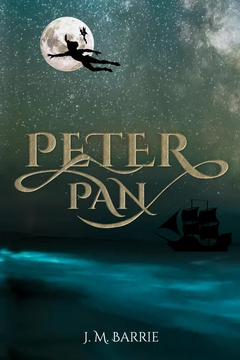
J. M. Barrie
Best for: Families, parents, and educators who want to share Barrie's story in its original, unabridged 1911 form — complete with all 13 of F. D. Bedford's foundational illustrations — for bedtime reading, family read-alouds, or a young reader's first encounter with the classic text.
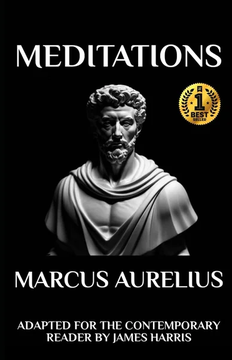
Marcus Aurelius
Best for: First-time readers of Marcus Aurelius who are drawn to Stoicism through contemporary self-improvement culture and want to engage with the Meditations without the friction of archaic translation language.
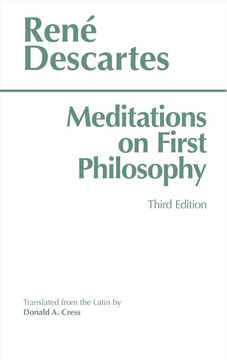
René Descartes
Best for: Undergraduate philosophy students or independent readers encountering modern Western philosophy for the first time, who need a compact, affordable, and accessible entry point into Descartes's foundational arguments in a widely adopted teaching translation.
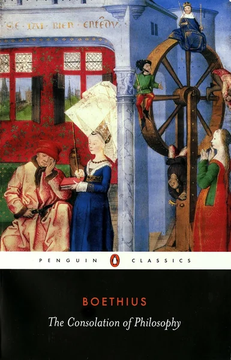
Ancius Boethius
Best for: General readers and students coming to Boethius for the first time who want an accessible, well-introduced entry point into one of the Western tradition's most consequential philosophical texts.
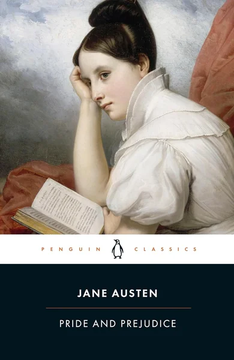
Jane Austen
Best for: Readers who enjoy psychologically precise character studies and fiction in which economic reality and romantic feeling exist in genuine, unresolved tension — particularly those who want the Penguin Classics edition's scholarly framing by Vivien Jones to help navigate the social and literary landscape of Regency England.
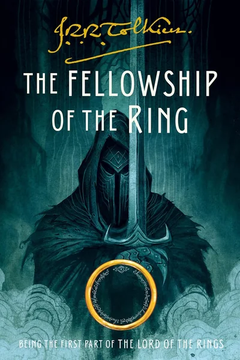
J.R.R. Tolkien
Best for: Readers drawn to richly constructed secondary worlds who are willing to invest in an unhurried, lore-dense opening to one of the most elaborately realized fictional universes in the English language.
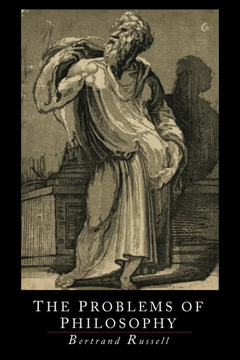
Russell Bertrand
Best for: Readers with no prior philosophical background who want an intellectually serious, concise orientation to epistemology's core questions — particularly those drawn to philosophy's intersections with mathematics and the sciences.
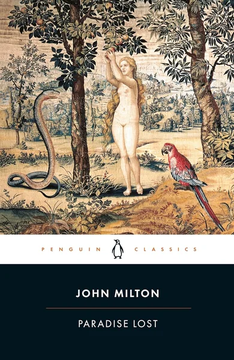
John Milton
Best for: Students, first-time readers seeking scholarly support, and returning readers who want to engage seriously with one of the greatest and most demanding poems in the English language — particularly in this Penguin Classics edition with John Leonard's editorial introduction and apparatus.
