8 min read
4.8
· 19,175 Amazon ratingsShare This Review

The Two Towers
The Two Towers by J.R.R. Tolkien Review: A Masterwork of Epic Fantasy Suspense
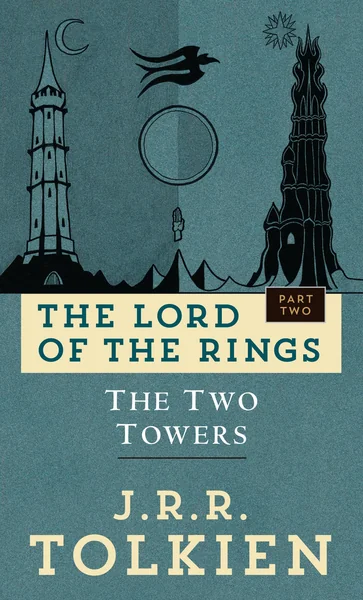
The Two Towers, first published in 1954, is the second volume of J.R.R. Tolkien's The Lord of the Rings, splitting its narrative between the scattered Fellowship — Aragorn, Gimli, and Legolas hunting Orc-captured hobbits — and Frodo and Samwise Gamgee's desperate push toward Mordor to destroy Sauron's One Ring. Wikipedia's reception summary notes critics found it exciting and compelling, combining epic narrative with heroic romance.
LuvemBooks Verdict
Best for
Readers already committed to The Lord of the Rings who want to see its scope and ambition reach full stride, with escalating battles, the haunting Gollum, and Tolkien's richest thematic terrain.
Worth it if
Worth reading if you have finished The Fellowship of the Ring and are ready to follow two diverging, high-stakes narrative threads — the war for Rohan and Frodo's harrowing approach to Mordor — that together represent some of the most celebrated set pieces in fantasy literature.
Skip if
Skip it if you have not yet read The Fellowship of the Ring, are looking for a self-contained story with a resolved ending, or find Tolkien's dense invented languages, genealogies, and world-building detail a test of your patience rather than a pleasure.
What readers & critics say
Wikipedia records that the volume was largely welcomed by critics on its 1954 publication, who found it exciting and compelling, describing it as combining epic narrative with heroic romance. Reader reviewers retrieved from independent book blogs reinforce this warmly, with critiquingchemist.com awarding a 5/5 and noting Tolkien's effortless navigation of a beautifully complex world, while novelnotions.net reports being genuinely surprised by how fast-paced and immersive the book proved, contrary to its reputation for slowness.
Sources: Wikipedia – The Two Towers, Critiquing Chemist, Novel NotionsThe Lord of the Rings reading order
Book 2 of 3 books
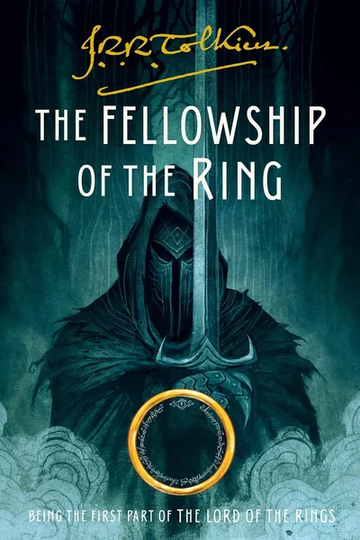
- The Fellowship of the Ring1954
- The Two TowersThis book
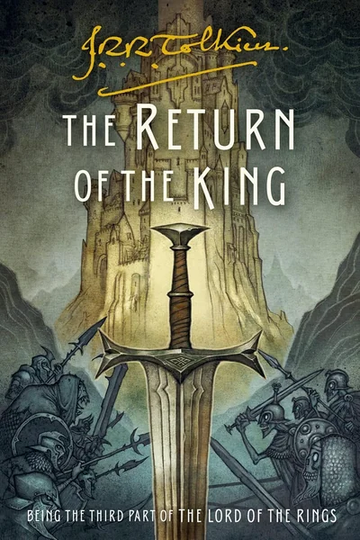
- The Return of the King1955
Ask LuvemBooks
Was this helpful?
- Is it worth reading?
- For readers already engaged with The Fellowship of the Ring, The Two Towers is essential and deeply rewarding. It features some of the saga's most celebrated set pieces — Helm's Deep, the Ents' march on Isengard, Gollum's tortured internal conflict — alongside a sustained thematic argument about hope as an active moral force in the face of seemingly insurmountable odds. Critics, as Wikipedia's reception summary notes, found it exciting and compelling, describing it as combining epic narrative with heroic romance. The chief caveat is structural: the volume is not a standalone, ends on an unresolved cliffhanger, and Tolkien's dense prose and world-building can test readers seeking a faster pace.
- Similar books
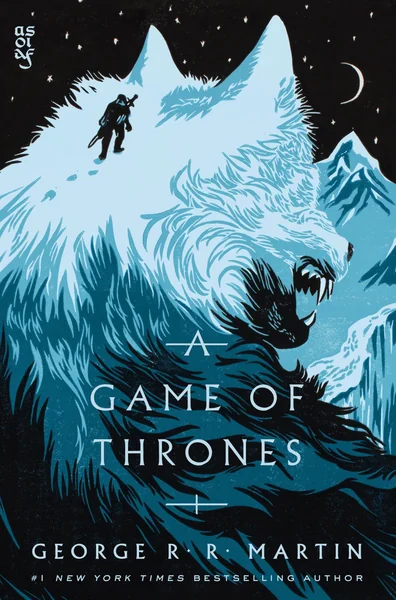
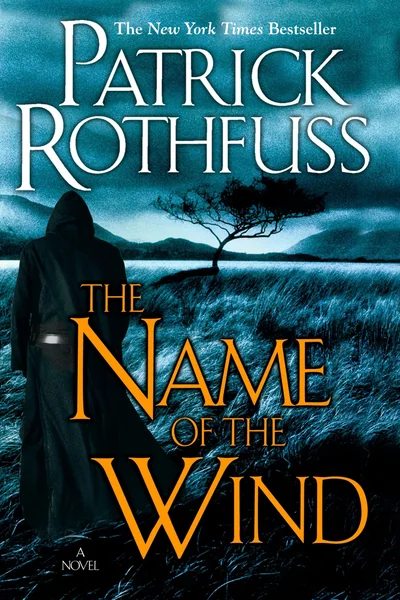
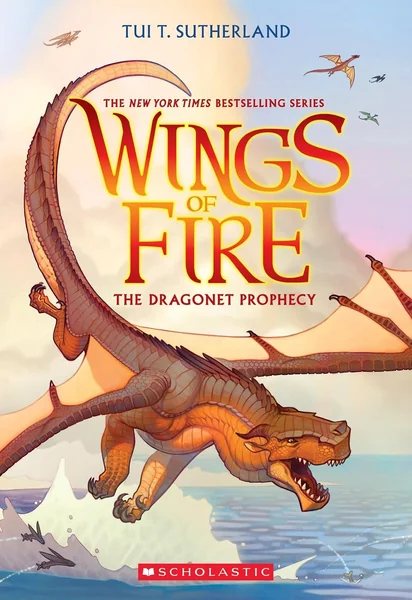
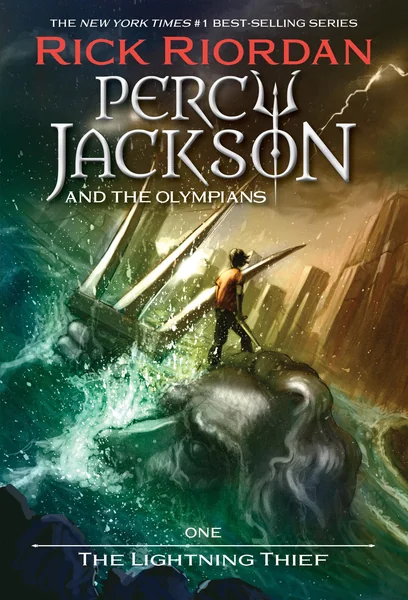
- Readers drawn to The Two Towers will find natural companions among the curated titles below. The Fellowship of the Ring by J.R.R. Tolkien is the essential predecessor — beginning there is strongly recommended before arriving at this volume. For sweeping epic fantasy with comparable world-building ambition, A Game of Thrones: The Illustrated Edition by George R.R. Martin and The Name of the Wind by Patrick Rothfuss both offer richly constructed secondary worlds. Younger readers who enjoy quest-driven fantasy adventures may find Percy Jackson and the Olympians: The Lightning Thief by Rick Riordan or The Dragonet Prophecy by Tui T. Sutherland accessible entry points into the genre.
- Who should read this?
- The Two Towers is best suited to readers who have already completed The Fellowship of the Ring and are committed to the full arc of The Lord of the Rings. It will particularly resonate with fans of epic, morally serious fantasy who appreciate richly constructed secondary worlds, dual narrative structures, and thematic depth — including explorations of hope, resistance, and nature versus industrialization. Devotees of Tolkien's invented languages, genealogies, and intricate geography will find the volume deeply rewarding. Readers seeking a self-contained, fast-paced fantasy novel should look elsewhere.
- About J.R.R. Tolkien
- John Ronald Reuel Tolkien was an English writer and academic philologist.
- Tell me about the adaptation
- The Two Towers served as the basis for Peter Jackson's 2002 film The Lord of the Rings: The Two Towers, the second installment in Jackson's celebrated trilogy. The film adaptation contributed significantly to the cultural footprint of Tolkien's work in the twenty-first century. As with the book, the film is best experienced as part of the full trilogy rather than as a standalone entry.
- What are the main themes?
- The Two Towers sustains a rich thematic argument across both its narrative threads. Hope as an active moral force is central: the Ents, the people of Rohan, and Frodo and Sam each face seemingly insurmountable odds against Sauron and Saruman, yet overcome a superior enemy by maintaining hope when despair seems more reasonable. The contrast between Saruman's industrializing destruction of Isengard and the ancient, organic power of the Ents has been widely read as Tolkien's engagement with nature versus industrialization. The volume also explores resistance, trust, and the corrupting influence of power — particularly through Gollum's tortured relationship with the One Ring and the deceptions enabled by the palantíri, magical seeing-stones introduced here.
- Where does this fit in the series?
- The Two Towers is the second of the three volumes of The Lord of the Rings, following The Fellowship of the Ring and preceding The Return of the King. It covers Books Three and Four of Tolkien's original six-part narrative structure. Because it opens directly in the aftermath of the Fellowship's breaking and closes on a deliberate cliffhanger, it is tightly bound to both surrounding volumes — reading it in sequence is strongly recommended, and The Return of the King becomes an immediate necessity rather than an optional follow-up. LuvemBooks has reviewed both The Fellowship of the Ring and The Return of the King.
Summarize this book
Follow up
Synthesized from verified book data & published reviews · How we review
What would you like to know about The Two Towers?
Answers come from our editorial notes on this book. If we haven't covered something, we'll say so.
Readers often ask
Our Review
We review the evidence: published critics, reader verdicts and BookTube reviews, gathered and weighed with AI assistance and edited by LuvemBooks, rather than one reader's first-hand take.
What the Book Contains and How It Is Structured
Narrative Technique and Structural Significance
Thematic Depth: Hope, Faith, and Resistance
Critical and Cultural Reception
Who This Volume Is For — and Where It Demands Patience
Sources & Further Reading
The key facts and claims in this review are grounded in the retrieved, verified sources listed below.
- Cited in this review
- 1
bookanalysis.com
- 2
- Further reading
- 3
J.R.R. Tolkien, LuvemBooks
- 4
en.wikipedia.org
- 5
- 6
lukeharkness.com
- 7
- 8
- 9
critiquingchemist.com
- 10
booksofbrilliance.com
- 11
noahnevils.substack.com
- 12
tolkiengateway.net
Age & Reading Level
Recommended age
Adult
2 content notes · who it suits
Content to know about
Skip if you want a self-contained story with a satisfying resolution — the volume ends on a deliberate cliffhanger with no closure.
Reader reviews
Be one of the first readers to answer.
Read it? Was it right for you?
Books like The Two Towers
Curated picks for readers who enjoyed The Two Towers, with our reasoning for each match.
More by J.R.R. Tolkien

If you liked The Two Towers