Our reviews
1,017 books, each with who it's for, who should skip it, reading level and content notes, and every source we used.
233 reviews match
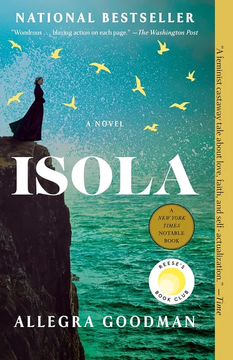
Allegra Goodman
Best for: Readers of literary historical fiction who are drawn to feminist survival narratives, single-protagonist interiority, and stories of largely forgotten women reclaimed from history — particularly those who enjoy Reese's Book Club selections with genuine literary depth.
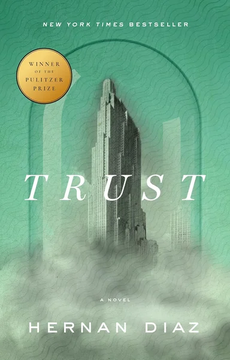
Hernan Diaz
Best for: Readers drawn to metafiction and novels that interrogate narrative form itself — particularly those fascinated by how extreme wealth, capital, and power shape (and distort) historical record.
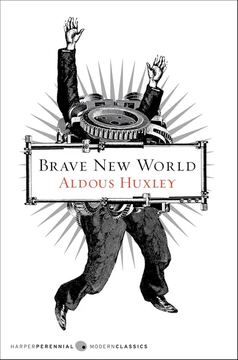
Aldous Huxley
Best for: Readers drawn to novels of ideas — particularly those curious about how dystopian fiction interrogates freedom, technology, and social control — who want to understand the canonical counterpart to Orwell's Nineteen Eighty-Four.
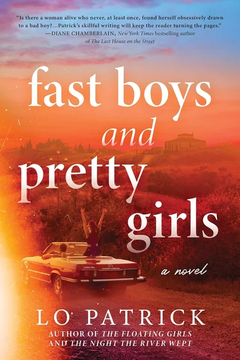
Lo Patrick
Best for: Readers of literary Southern fiction who want a mystery used as a scaffold for excavating character and memory — specifically those drawn to psychologically dense, dual-timeline narratives about first love, family wounds, and the weight of the past set in a vividly atmospheric North Georgia landscape.
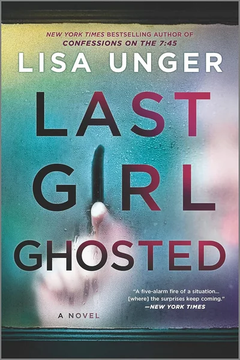
Lisa Unger
Best for: Readers drawn to first-person psychological thrillers where the narrator is as much a mystery as the central suspect, particularly those who find the anonymity of online dating culture genuinely unsettling.
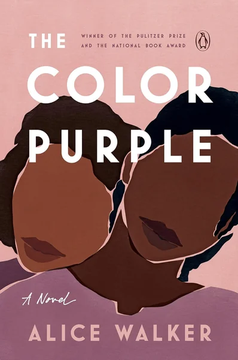
Alice Walker
Best for: Readers ready to engage with a foundational text of Black women's literature — particularly those drawn to fiction that centres the interior lives of silenced women through the lens of race, gender, and survival in the American South.
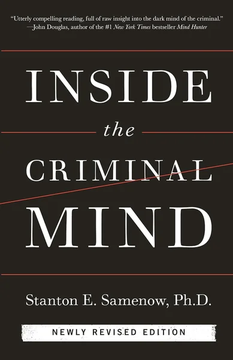
Stanton Samenow
Best for: Practitioners and students in criminal justice, clinical psychology, social work, or forensic fields who want a sharply argued, cognitively grounded framework for understanding and intervening in criminal behaviour.
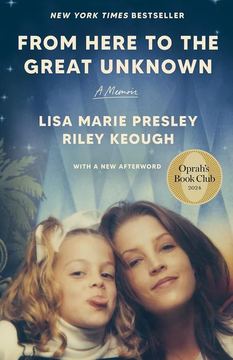
Lisa-Marie Presley, Riley Keough
Best for: Readers who want a candid, emotionally unsparing memoir about addiction, grief, and an extraordinary life — particularly those drawn to accounts that resist celebrity gloss and engage seriously with trauma and loss across generations.
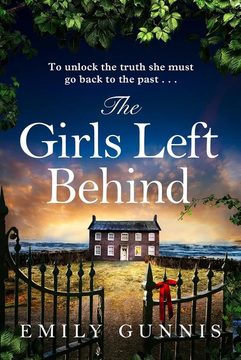
Emily Gunnis
Best for: Readers who enjoy character-driven British crime fiction with a strong historical dimension — particularly those drawn to stories of institutional injustice, wronged women, and multi-generational mystery, and who already love Emily Gunnis's debut, The Girl in the Letter.
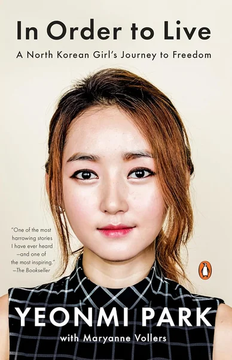
Yeonmi Park, Maryanne Vollers
Best for: Readers drawn to narrative nonfiction and survivor memoir who want a complete, structurally clear account of life inside North Korea — from childhood deprivation through escape and resettlement — particularly those with an interest in human rights or authoritarian regimes.
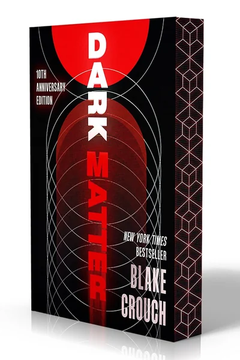
Blake Crouch
Best for: Readers who enjoy fast-paced speculative thrillers that use a high-concept science fiction premise — here, the many-worlds interpretation of quantum mechanics — as the engine for an emotionally grounded story about identity, regret, and the love of a specific family.
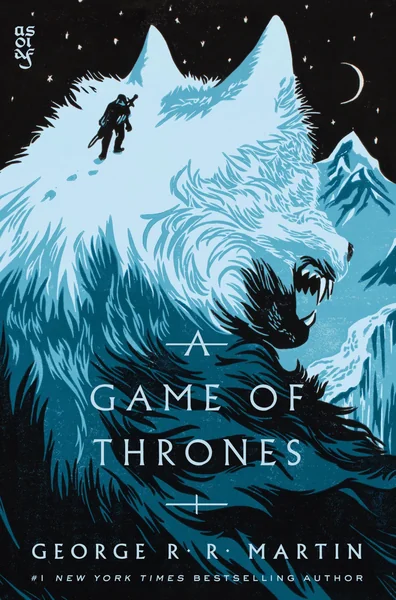
George R. R. Martin
Best for: Readers who relish densely plotted political fiction with a cast of morally compromised characters, high stakes across multiple storylines, and a willingness to see genre conventions upended — particularly those who can commit to a long, as-yet-unfinished series.
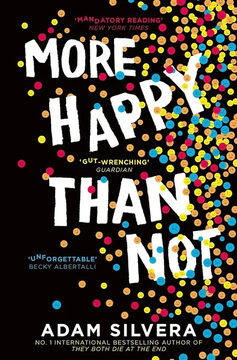
Adam Silvera
Best for: Readers drawn to intersectional YA — particularly those who want Bronx working-class life, Latinx identity, queerness, and mental health addressed within a single, structurally ambitious narrative — and anyone seeking a foundational text in contemporary LGBTQ+ YA fiction.
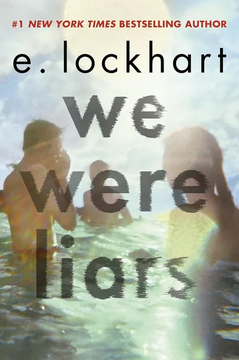
E. Lockhart
Best for: Readers aged roughly 14 and up who enjoy psychological mystery and morally complex family drama, and who are willing to surrender to an unreliable, fragmented narrator in exchange for a twist that reframes everything they've read.
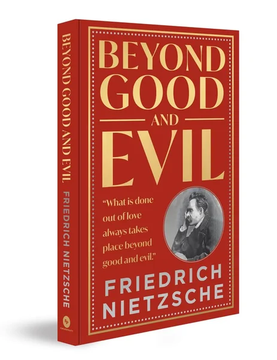
Friedrich Nietzsche
Best for: Readers with a serious interest in Western philosophy, ethics, or intellectual history who want direct engagement with one of the most foundational — and most challenging — texts in the philosophical canon.
![The Dark Psychology Playbook [9-in-1] by Roger Glenwood book cover](https://cdn.luvembooks.com/media/product-reviews/the-dark-psychology-playbook_cover_enriched-product.webp)
Roger Glenwood
Best for: General readers who feel vulnerable to social or professional manipulation and want a single-volume, breadth-first orientation to dark psychology — covering NLP, lie detection, persuasion, and psychological profiling — without having to source multiple standalone titles.
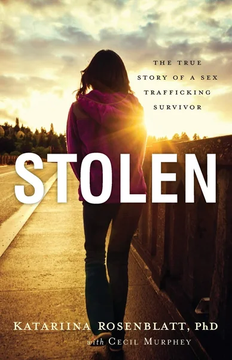
Katariina Rosenblatt, Cecil Murphey
Best for: Survivors, parents, educators, and advocates who want the domestic sex trafficking crisis made viscerally concrete through a single, documented personal story rather than policy abstraction — especially readers for whom a faith-rooted survival narrative will resonate.
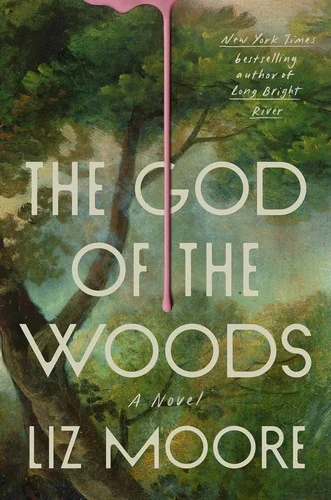
Liz Moore
Best for: Readers who want their crime fiction to carry the weight of a family saga and social novel — particularly those drawn to multi-timeline, ensemble-cast stories where class dynamics, parental failure, and community trauma matter as much as the mystery itself.
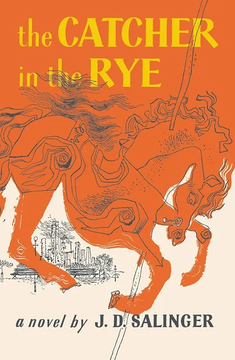
J. D. Salinger
Best for: Readers drawn to confessional, first-person narration and psychologically complex protagonists who want to understand why Holden Caulfield became a defining icon of adolescent alienation in American literature.
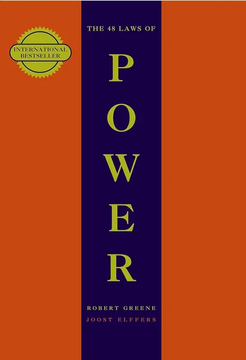
Robert Greene
Best for: Readers who want an unflinching, historically grounded analysis of how power actually operates — in workplaces, politics, creative industries, and interpersonal dynamics — and who can engage with it as a strategic and descriptive reference rather than a moral guide.
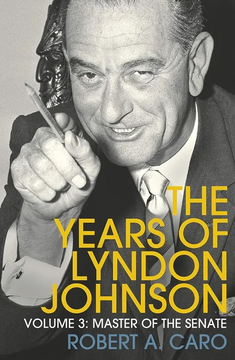
Robert A Caro
Best for: Readers with a serious interest in the mechanics of American political power, the legislative history of civil rights, or the mid-twentieth-century Senate who are prepared to engage with the full multi-volume series.
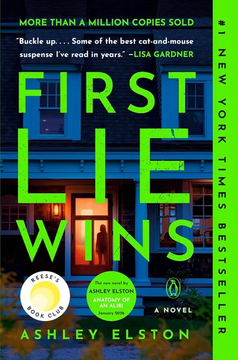
Ashley Elston
Best for: Thriller readers who relish con-artist and identity-swap narratives, tolerate — even enjoy — non-linear timelines and sustained disorientation, and treat an unexpected twist as the reward rather than the problem.
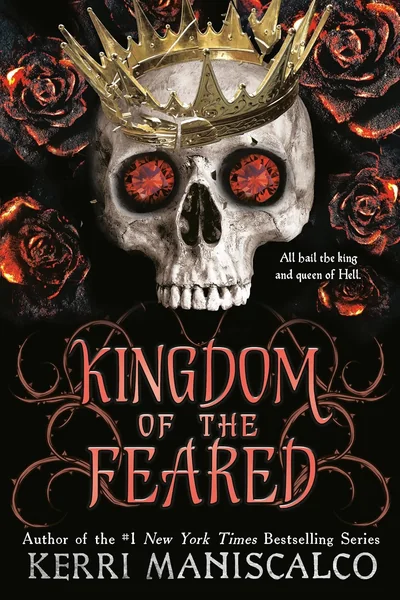
Kerri Maniscalco
Best for: Readers who have followed Emilia and Wrath across the full Kingdom of the Wicked trilogy and want a dark, Hell-set romantasy finale that pays off the enemies-to-lovers arc with twists, supernatural intrigue, and mature emotional stakes.
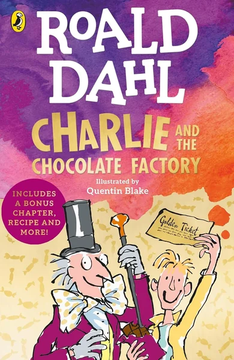
Roald Dahl
Best for: Children aged eight and up — and the adults reading aloud to them — who want a propulsive, consequence-driven story that rewards good behaviour without sugarcoating the outcomes for those who misbehave.
