BOOKS
Published
Read Time
8 min read
Our Rating
4.2
A philosophically dense but rewarding masterpiece that challenges moral assumptions through brilliant aphorisms, though demanding significant intellectual preparation from readers.
Reviewed by
LuvemBooks
Share This Review
Beyond Good and Evil by Friedrich Nietzsche Review
Our Rating
4.2
A philosophically dense but rewarding masterpiece that challenges moral assumptions through brilliant aphorisms, though demanding significant intellectual preparation from readers.
In This Review
- What Works & What Doesn't
- The Philosopher Behind the Provocations
- Dismantling Moral Certainties
- The Art of the Aphorism
- Wrestling with Dangerous Ideas
- The Challenge of Understanding
- Where Nietzsche Falls Short
- A Classic Worth the Struggle
What Works & What Doesn't
What Works
- Brilliant aphoristic style that delivers profound insights in memorable phrases
- Psychological analysis of human motivation remains remarkably relevant
- Historical influence on existentialism and postmodern thought is undeniable
- Challenges readers to think independently about moral assumptions
- Accessible format in Fingerprint! Classics edition with clear presentation
What Doesn't
- Extremely demanding for readers without philosophical background
- Limited constructive vision beyond critique of existing beliefs
- Some dated social attitudes reflect 19th-century prejudices
- Repetitive attacks on Christianity and democracy can feel excessive
- Aphoristic structure makes systematic understanding difficult
The Philosopher Behind the Provocations

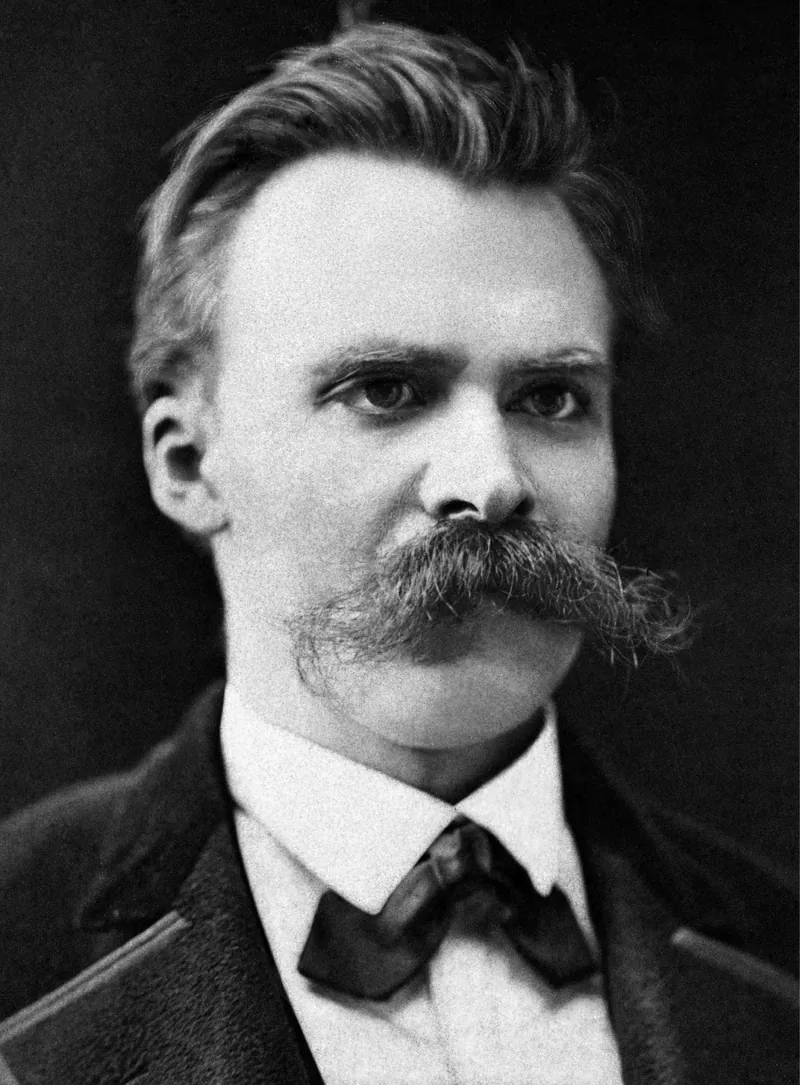
Nietzsche wrote Beyond Good And Evil during his most productive period, building upon themes he'd explored in earlier works like Thus Spoke Zarathustra. The subtitle "Prelude to a Philosophy of the Future" signals his ambitious goal: dismantling traditional moral frameworks to make room for new ways of thinking about human values.
The German philosopher's background as a classical philologist shows throughout the work. His deep knowledge of ancient Greek and Roman thought allows him to trace how moral concepts evolved—and how they might evolve further. This historical perspective makes his critiques of contemporary morality particularly sharp and well-informed.
Nietzsche's personal struggles with illness and social isolation also permeate the text. His position as an intellectual outsider gives him the distance needed to examine European culture with brutal honesty. The result is philosophy that feels urgent and personal rather than merely academic.
Dismantling Moral Certainties
The book's central thesis attacks what Nietzsche calls "dogmatism"—the belief that moral truths are absolute and universal. He argues that what we consider "good" and "evil" are human creations, not divine commands or natural laws. This perspective was revolutionary in 19th-century Europe and remains controversial today.
Nietzsche introduces his famous concept of the "free spirit"—individuals who think independently rather than accepting inherited beliefs. These philosophical pioneers must navigate beyond traditional categories of good and evil to create new values. The free spirit doesn't reject morality entirely but recognizes that moral systems are human inventions that can be improved or replaced.
The philosopher's critique extends to democracy, Christianity, and Enlightenment rationality. He views these movements as symptoms of cultural decline rather than progress. For readers expecting conventional liberal philosophy, Nietzsche's aristocratic leanings and anti-democratic sentiments prove deeply unsettling.
The Art of the Aphorism
Nietzsche's writing style sets Beyond Good And Evil apart from traditional philosophical works. Instead of building systematic arguments, he presents insights through numbered aphorisms that range from single sentences to several paragraphs. This approach mirrors how we actually think—in flashes of insight rather than logical progressions.
Some aphorisms deliver knockout punches: "He who fights monsters should be careful lest he thereby become a monster." Others require careful unpacking: "What does not kill me makes me stronger" sounds inspirational until you consider its darker implications about suffering and human development.
The aphoristic style demands active reading. You cannot passively absorb Nietzsche's ideas—each section requires reflection and interpretation. This makes the book intellectually demanding but also rewarding for readers willing to engage deeply with the material.
Wrestling with Dangerous Ideas
Nietzsche's philosophy has been tragically misused by political extremists, making it crucial to understand what he actually argued versus how his ideas were distorted. The concept of the "master-slave morality" doesn't advocate for literal slavery but describes different approaches to creating values. Master morality emerges from strength and self-affirmation, while slave morality develops from resentment and reaction to power.
His critique of Christianity focuses on its emphasis on humility, self-denial, and otherworldly rewards. Nietzsche argues these values diminish human potential rather than elevating it. However, his anti-Christian stance doesn't translate to simple atheism—he's equally critical of scientific materialism and rational skepticism.
The philosopher's views on women and democracy reflect his 19th-century context and personal prejudices. Modern readers must separate his valuable insights about morality and human psychology from his dated social attitudes. This requires careful, critical reading rather than wholesale acceptance or rejection.
The Challenge of Understanding
Beyond Good And Evil demands significant philosophical background for full appreciation. Readers unfamiliar with German Idealism, Schopenhauer's pessimism, or ancient Greek philosophy may struggle with many references and arguments. The book works best for readers who've already encountered some philosophical thinking or who're willing to research unfamiliar concepts.
Nietzsche's German prose, even in translation, retains its density and complexity. The Fingerprint! Classics edition helps with clear formatting, but the ideas themselves remain challenging. Expect to reread passages multiple times and to sit with uncomfortable questions about your own moral assumptions.
The aphoristic structure creates additional difficulties. Without narrative flow or systematic argument, readers must actively construct connections between ideas. Some sections feel disconnected or contradictory until broader patterns emerge through careful study.
Where Nietzsche Falls Short
The book's greatest weakness lies in its lack of constructive vision. Nietzsche excels at demolishing existing beliefs but offers limited guidance for building new value systems. His "philosopher of the future" remains largely undefined, leaving readers with destructive insights but few positive alternatives.
The writing can feel repetitive in places, particularly Nietzsche's attacks on democratic culture and Christian morality. Some aphorisms seem designed more for shock value than philosophical illumination. The philosopher's tendency toward hyperbole occasionally undermines his more measured insights.
Historical context also limits the work's contemporary relevance. Nietzsche's concerns about European decadence and cultural decline feel specific to his era. Modern readers may struggle to connect his 19th-century anxieties with current philosophical and political challenges.
A Classic Worth the Struggle
Is Beyond Good And Evil worth reading? For serious students of philosophy, absolutely. Nietzsche's psychological insights into human motivation remain profound, and his critique of moral absolutism continues to influence contemporary thought. The book's influence on existentialism, postmodernism, and moral psychology makes it essential reading for understanding modern intellectual history.
However, this isn't philosophy for beginners. Start with more accessible works like The Genealogy of Morals or quality secondary sources before tackling this dense masterpiece. Readers seeking practical life advice should look elsewhere—Nietzsche offers intellectual challenges, not self-help solutions.
The Fingerprint! Classics edition provides an affordable entry point to one of philosophy's most provocative works. For readers ready to question their deepest assumptions about morality and meaning, few books prove as transformative or unsettling as Beyond Good And Evil.