8 min read
4.3
· 46,483 Amazon ratingsShare This Review
My Husband's Wife by Alice Feeney Review: A Relentlessly Twisting Psychological Thriller
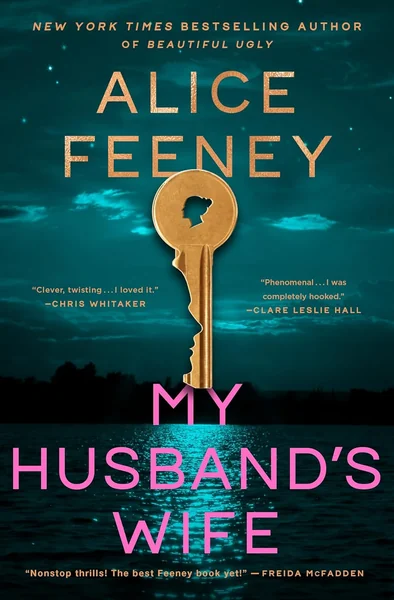
Alice Feeney's My Husband's Wife is a 2026 psychological thriller built on identity theft, conspiracy, and revenge, set against the cliffside drama of a Cornish village — and it landed on multiple major bestseller lists, including the New York Times, USA Today, and Publishers Weekly, on the strength of its escalating plot and a premise that readers found nearly impossible to put down.
LuvemBooks Verdict
Best for
Fans of densely plotted psychological thrillers who enjoy unreliable narrators, multi-strand conspiracies, and are happy to be deliberately misled before a full-picture reveal — particularly readers who have enjoyed Feeney's earlier work or comparable authors like Freida McFadden.
Worth it if
You relish intricate, layered plots where gaslighting, identity theft, and intersecting character motivations reward close, attentive reading — and where a Cornish cliffside atmosphere and a multi-voice audiobook cast add to the experience.
Skip if
You prefer fair-play mysteries with transparent narration or a single clean narrative thread — the deliberate misdirection through first-person perspectives and the sheer number of conspirators, timelines, and epilogue twists may feel more exhausting than thrilling.
What readers & critics say
Fictionophile.com calls it "by far the best yet" in Feeney's catalogue, praising its relentless twists and audio narration. Bookclubchat.com found it compulsively readable for the majority of its length but felt the reveals and ending ultimately disappoint, while kevingchapman.com noted the experience divides squarely along reader tolerance for authorial manipulation of first-person narrators.
Sources: fictionophile.com, bookclubchat.com, kevingchapman.comAsk LuvemBooks
Was this helpful?
- Is it worth reading?
- For readers who enjoy surrendering control to an unreliable narrator and piecing together a conspiracy from deliberately withheld information, My Husband's Wife delivers. RTL Today called it "a masterclass in suspense," praising its character development, eerie Cornish setting, and relentless cliffhangers, while Freida McFadden declared it "the best Feeney book yet." The caveat is clear: the layered conspiracy — involving Harrison Wolfe, Birdy, Mary Kendall, a corrupt sergeant, and a surprise epilogue twist — rewards close reading but may overwhelm readers looking for a streamlined thriller.
- Similar books
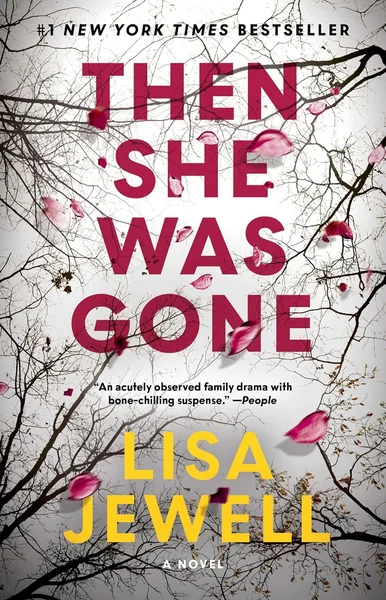
- Readers drawn to the identity-erasure and gaslighting at the heart of My Husband's Wife will find a similar domestic-thriller menace in The Wife Before by Shanora Williams and Lisa Jewell's Then She Was Gone, both of which use layered reveals to reframe what the reader thought they knew. For atmospheric, cliffhanger-driven suspense, Alex North's The Whisper Man and Riley Sager's Home Before Dark — another novel built around a sinister house with a dark history — are close companions. Mary Kubica's Every Last Lie shares the unreliable-narrator framework and the sense that domestic life conceals something far darker.
- Who should read this?
- My Husband's Wife is best suited to adult thriller readers who actively enjoy being misled — those who relish piecing together a conspiracy from contradictory first-person narrators rather than following a transparent investigation. It will particularly appeal to fans of densely plotted domestic thrillers where the horror is intimate: gaslighting, identity erasure, and betrayal by a spouse and trusted figures. Readers who prefer a single, clean narrative thread or a fair-play mystery structure are cautioned that the novel is deliberately engineered to withhold and mislead.
- About Alice Feeney
- Alice Feeney is a British novelist and former journalist, writing in the mystery and thriller genres.
- What are the main themes?
- The novel is built around gaslighting, identity theft, deception, revenge, and parental love — themes that give its thriller mechanics an emotional grounding beyond pure plot mechanics. The Thanatos conceit (a company selling predicted death dates) threads Birdy's terminal diagnosis into the conspiracy, making mortality a structural theme as well as a personal one. The Cornish cliffs of Hope Falls are not merely atmosphere but a physical embodiment of the characters' precarious psychological states, with the setting driving the novel's key confrontations and its final tragedy.
- How complex is the plot?
- The plot is deliberately dense: Birdy, Harrison Wolfe, and Mary Kendall — who had cared for both Gabriella and Birdy's estranged grandmother at Spyglass — conspired to steal Eden's identity, with Harrison promising Mary the house as payment. Local sergeant Luke Carter is drawn into the cover-up when Harrison pays off his mortgage. The epilogue adds one further inversion, revealing that Carter's wife Jane inadvertently completed the murder while trying to confront Mary. Readers who enjoy tracking multiple conspirators across intersecting timelines will find this a strength; those who prefer a streamlined single thread are cautioned it demands close attention.
Summarize this book
Follow up
Synthesized from verified book data & published reviews · How we review
Press Enter to ask. Answers come from our editorial Q&A — start typing to see related questions.
Age & Reading Level
Recommended age
Adult
Reading level
Adult
4 content notes · who it suits
Content to know about
Skip if you prefer fair-play mysteries where all clues are present and the narrator can be trusted.
Our Review
What the Novel Is and What Happens
The Architecture of the Conspiracy
Reception and Place in Feeney's Career
Strengths: Identity, Gaslighting, and Setting
Considerations for Prospective Readers
Sources & Further Reading
The key facts and claims in this review are grounded in the retrieved, verified sources listed below.
- Cited in this review
- 1
en.wikipedia.org
- 2
barnesandnoble.com
- 3
- Further reading
- 4
Alice Feeney, Wikipedia
- 5
- 6
kevingchapman.com
- 7
- 8
bookclubchat.com
- 9
lotuswritingtherapy.com
- 10
bookofthemonth.com
Books like My Husband's Wife
Curated picks for readers who enjoyed My Husband's Wife, with our reasoning for each match.
If you liked My Husband's Wife