Our reviews
1,017 books, each with who it's for, who should skip it, reading level and content notes, and every source we used.
399 reviews match
Eric Ries
Best for: Founders, product managers, and intrapreneurs who need a structured, repeatable methodology for launching and iterating on new products under uncertainty — particularly those working in tech or knowledge-based industries where rapid prototyping is feasible.
Eckhart Tolle
Best for: Readers already open to contemplative or spiritual frameworks — Buddhist, mystical, or broadly non-denominational — who want an accessible, widely discussed entry point into present-moment awareness and the idea that habitual suffering stems from over-identification with thought.
David McCullough
Best for: General readers drawn to American history and innovation who want a rigorously researched but accessible narrative — particularly those coming to the Wright brothers' story for the first time and who appreciate McCullough's humanising, family-centred approach to popular history.
Daniel J. Siegel and Tina Payne Bryson
Best for: Parents and caregivers of young children who want a scientifically grounded, immediately actionable framework for understanding and responding to their children's emotional and behavioural struggles — without needing a clinical background.
Jim Collins
Best for: Managers, MBA students, or leadership-development participants who want a research-anchored introduction to organizational strategy and want frameworks — Level 5 Leadership, the Hedgehog Concept, the Flywheel — they can test and debate against real organizational contexts.
Dan Buettner
Best for: General readers curious about health, diet, aging, and community who want real-world, culturally grounded examples of longevity rather than abstract clinical advice — especially book clubs or wellness groups ready to turn the research into collective action.
David D. Burns
Best for: Adults experiencing mild to moderate depression, anxiety, guilt, or procrastination who want a structured, evidence-based CBT framework they can work through independently — and therapists seeking a clinically credible bibliotherapy resource to recommend to clients.

Frances Hodgson Burnett
Best for: Readers aged eight and up — and adults revisiting childhood favourites — who want a psychologically honest portrait of a difficult child, and who appreciate character-driven, atmospherically rich fiction over plot-propelled adventure.
Daniel Kahneman
Best for: Readers curious about the hidden mechanics of human decision-making — whether in markets, careers, or everyday life — who want a rigorous yet accessible survey of behavioral economics and cognitive psychology from one of the field's founding figures.
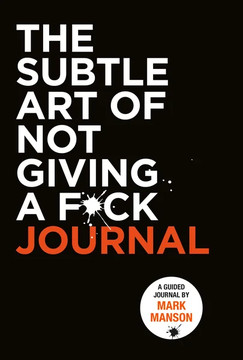
Mark Manson
Best for: Fans of The Subtle Art of Not Giving a F*ck who found Manson's philosophy resonant but want a structured, writable space to actively interrogate their own values, emotions, and priorities through his framework.
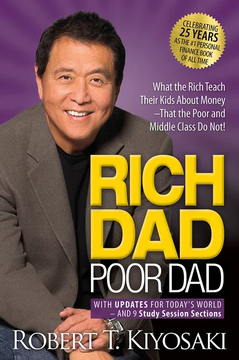
Robert T. Kiyosaki
Best for: First-time readers of personal finance who have never encountered concepts like assets vs. liabilities, passive income, or the distinction between earning a salary and building wealth — and who respond better to parable-driven narrative than to technical instruction.
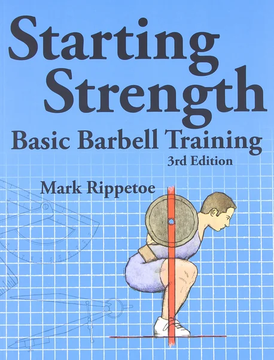
Mark Rippetoe
Best for: Anyone beginning barbell training — novice lifters, coaches working with early-stage athletes, or experienced trainees who want a biomechanically rigorous, illustrated reference for the five core barbell lifts.
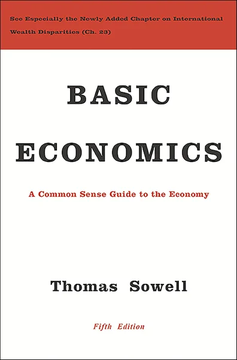
Thomas Sowell
Best for: Curious general readers who want a rigorous, jargon-free grounding in economic thinking — from prices and labor markets to international trade — without needing any prior training in the subject.
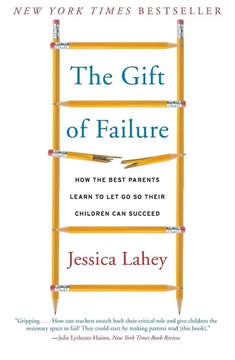
Jessica Lahey
Best for: Parents of school-age children — especially those entering or navigating middle school — who suspect they may be over-involved and want structured, research-backed guidance on how to step back and let their children build genuine resilience.
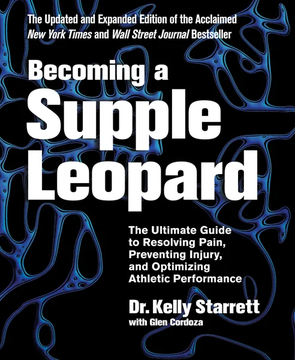
Kelly Starrett and Glen Cordoza
Best for: Athletes, coaches, and sports injury practitioners who want a single, principle-driven reference for understanding movement mechanics, self-assessing dysfunction, and applying corrective mobility work across strength, CrossFit, or endurance training contexts.
