Our reviews
117 fiction books we've reviewed, each with who it's for, who should skip it and every source we used.
117 reviews match
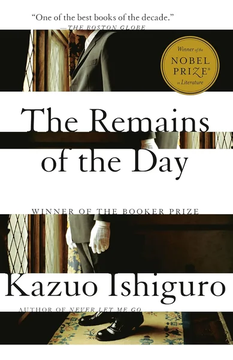
Kazuo Ishiguro
Best for: Readers who relish literary fiction of the highest formal ambition — particularly those drawn to unreliable narrators, understated prose, and novels that use one man's emotional self-deception to illuminate questions of class, duty, and political complicity in twentieth-century England.
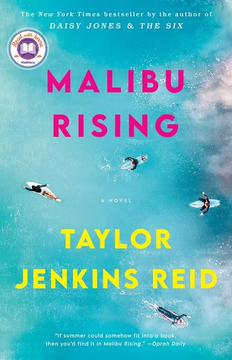
Taylor Jenkins Reid
Best for: Readers who love propulsive, atmosphere-soaked fiction about family legacy — particularly fans of multigenerational drama who want a novel equally at home on the beach and in a book club discussion.
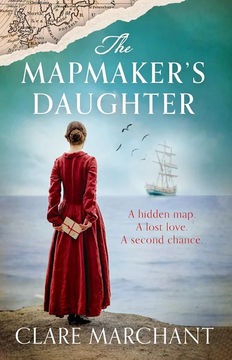
Clare Marchant
Best for: Readers who love emotionally driven, dual-timeline historical fiction in the tradition of Lucinda Riley and Kathryn Hughes — particularly those drawn to strong female protagonists navigating Elizabethan England, religious persecution, and the interplay of past and present.
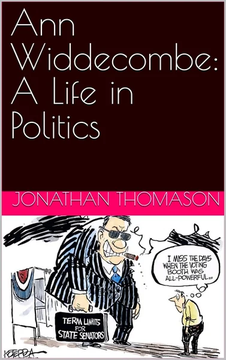
Jonathan Thomason
Best for: Readers who want a quick, structured introduction to Ann Widdecombe's political career — particularly those approaching her legacy for the first time in the context of Brexit-era British politics or following her death in July 2026.
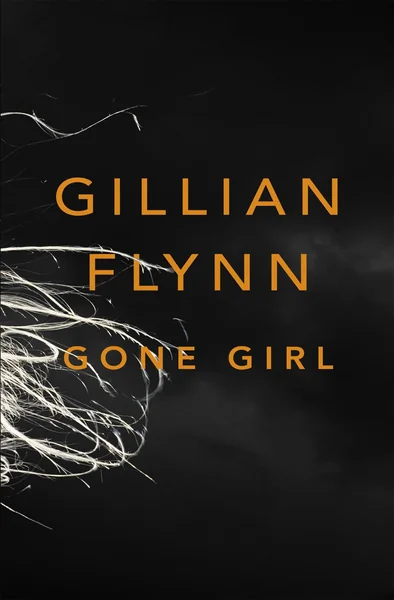
Gillian Flynn
Best for: Readers who relish psychological complexity and narrative misdirection — particularly those drawn to the tradition of Patricia Highsmith or to fiction that treats marriage as a battleground of deception and power.
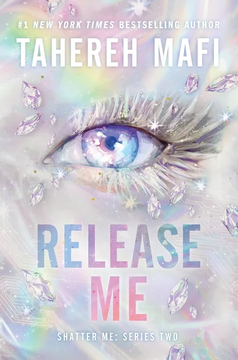
Tahereh Mafi
Best for: Devoted fans of the Shatter Me universe — particularly YA dystopian romance readers already invested in Rosabelle and James's story after Watch Me — who are comfortable with morally complicated relationships, multiple POVs, and cliffhanger endings.
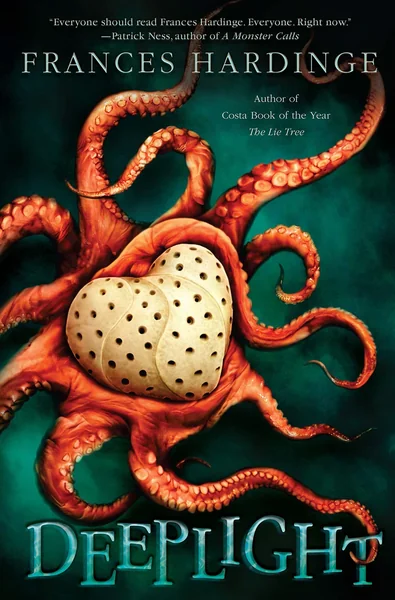
Frances Hardinge
Best for: Readers aged twelve and up who want dark, literary YA fantasy with genuine moral complexity — particularly those drawn to original mythologies, emotionally fraught friendships, and worlds that take both their young audience and their ideas seriously.
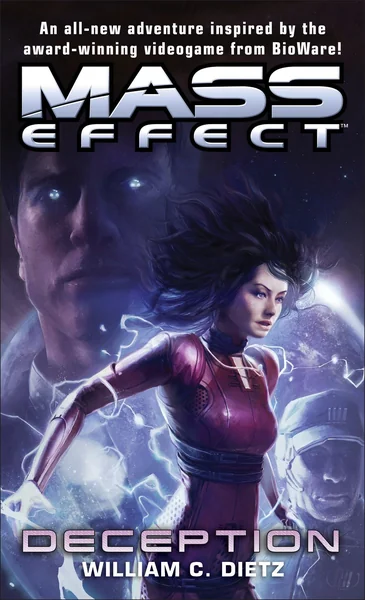
William C. Dietz
Best for: Readers completing the full four-book Mass Effect novel arc who want narrative closure and are less invested in strict canon fidelity than in action-oriented science fiction set against the franchise's universe.
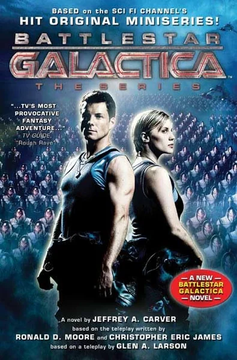
Jeffrey A. Carver
Best for: Dedicated fans of the reimagined SciFi Channel Battlestar Galactica series who want to revisit the miniseries pilot in prose form while gaining expanded technical detail and deeper characterisation beyond what the screen conveyed.
Drew Karpyshyn
Best for: Dedicated Mass Effect fans — particularly players who want to understand the origins of the Illusive Man and the Cerberus organisation before diving into Mass Effect 2.
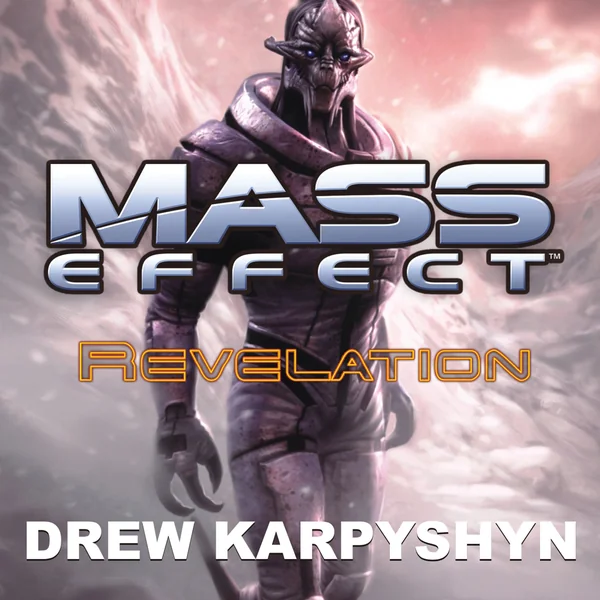
Drew Karpyshyn
Best for: Mass Effect fans who want canonical backstory on Anderson and Saren — and the political history of humanity's entry into galactic society — told by the man who built the universe itself.
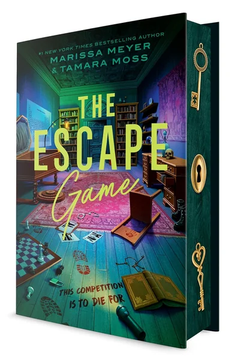
Marissa Meyer, Tamara Moss
Best for: YA readers who enjoy whodunits with puzzle mechanics — particularly fans of escape rooms, reality TV drama, and multi-suspect mystery structures like Karen M. McManus's work — who want a high-concept thriller with a large, rotating cast and substantial page count.
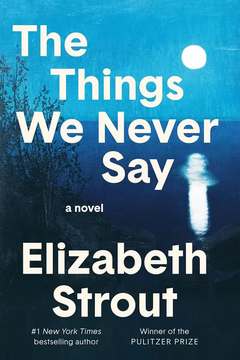
Elizabeth Strout
Best for: Readers who appreciate Strout's hallmark compression, working-class interiority, and quietly accumulative emotional power, and who are ready to follow her into a wholly new fictional world built around male loneliness and buried secrets.
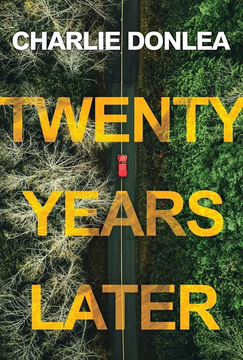
Charlie Donlea
Best for: Fans of fast-moving psychological suspense — particularly readers who enjoyed Verity by Colleen Hoover — who want a structurally clever cold-case thriller built around a morally compromised journalist protagonist and a cascade of twists.
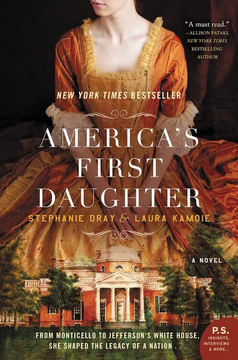
Stephanie Dray, Laura Kamoie
Best for: Readers of biographical historical fiction who want their founding-era narratives to grapple honestly with the period's moral contradictions — particularly those drawn to the overlooked women who shaped America's founding generation from behind the scenes.
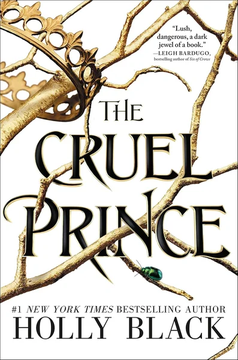
Holly Black
Best for: Readers aged 15 and up who love YA fantasy driven by political intrigue, morally complex protagonists, and enemies-to-something tension set within a folklore-rooted faerie court.
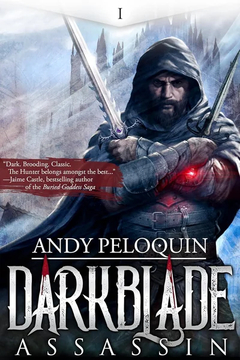
Andy Peloquin
Best for: Committed grimdark readers who want a morally compromised, emotionally layered immortal antihero at the centre of a corrupt, atmospheric city — and who are prepared to invest in the first book of a completed eleven-volume epic.
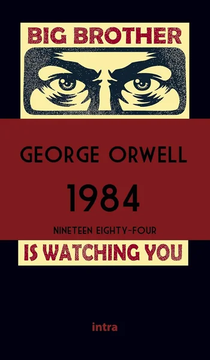
George Orwell
Best for: Readers drawn to the intersection of speculative fiction and political philosophy — whether approaching 20th-century dystopian literature for the first time or returning to reassess Orwell's warnings against surveillance and totalitarianism in light of current events.
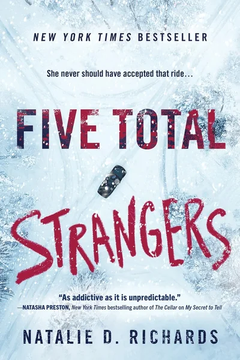
Natalie D. Richards
Best for: Teen readers aged 14–18 who enjoy fast-moving, atmosphere-driven YA suspense built around a confined setting and a rotating cast of evenly suspicious characters.
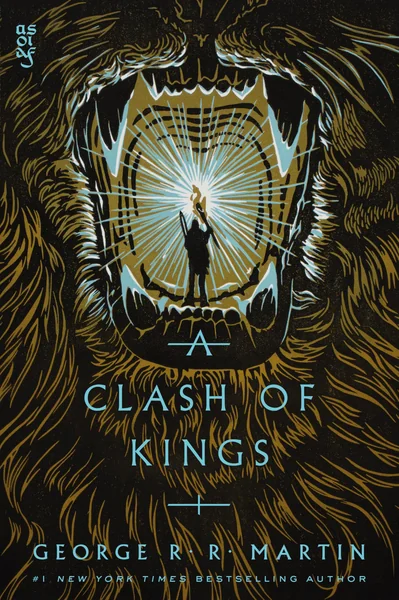
George R. R. Martin
Best for: Readers already invested in A Song of Ice and Fire who want a sprawling, politically complex epic that treats power and survival with historical weight rather than fairy-tale convention.
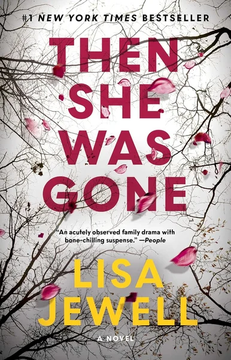
Lisa Jewell
Best for: Readers who love domestic psychological thrillers built around family rupture and grief, and who enjoy structurally inventive narratives with shifting timelines and multiple narrators — particularly fans of Jewell's earlier work like I Found You or readers drawn to Gone Girl–adjacent suspense.
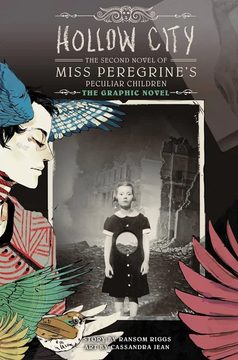
Ransom Riggs
Best for: Readers aged thirteen and up who have already experienced the first Miss Peregrine graphic novel and want a panel-by-panel visual continuation of Jacob and the peculiar children's story, with Cassandra Jean's illustrations bringing the WWII-era chase narrative to life.
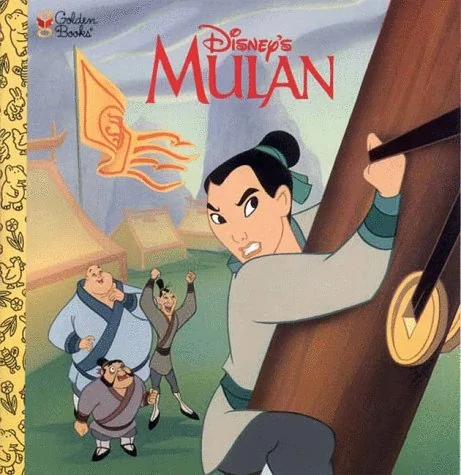
Katherine Poindexter
Best for: Young children aged 4–8 who love the Disney animated film and are ready to engage with Mulan's story independently or with a caregiver in a short, illustrated picture-book format.
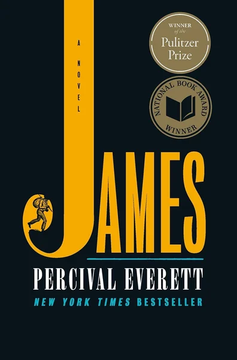
Percival Everett
Best for: Readers of literary fiction who relish novels that operate simultaneously as adventure, social critique, and philosophical inquiry — particularly those with some familiarity with Adventures of Huckleberry Finn who will appreciate the full force of Everett's structural and moral recontextualization.
