7 min read
4.4
· 103 Amazon ratingsShare This Review

Our review
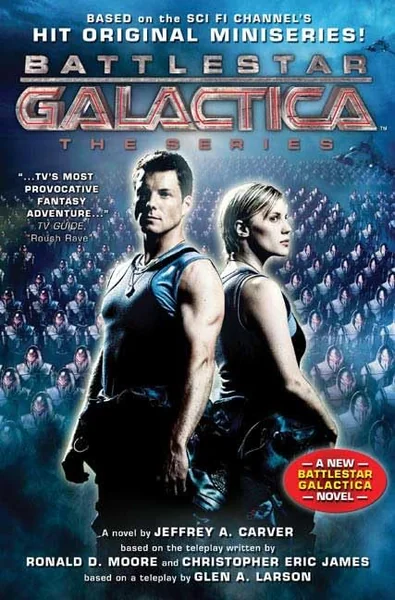
Battlestar Galactica by Jeffrey A. Carver Review: A Faithful Novelization of the Landmark Miniseries
Jeffrey A. Carver's novelization of the SciFi Channel's Battlestar Galactica miniseries brings the reimagined saga of humanity's near-extinction — and desperate flight from the Cylons — to the printed page, expanding on the televised pilot with additional characterization and technical detail for fans of the series.
LuvemBooks Verdict
Best for
Dedicated fans of the reimagined SciFi Channel Battlestar Galactica series who want to revisit the miniseries pilot in prose form while gaining expanded technical detail and deeper characterisation beyond what the screen conveyed.
Worth it if
You're already invested in Ronald D. Moore's reimagined BSG universe and want a faithful prose companion — adapted from the actual broadcast rather than a pre-production script — that fills in world-building gaps the miniseries left implicit.
Skip if
If you have no prior familiarity with the reimagined series, or if you're skeptical of licensed novelizations produced under tight commercial deadlines, this book's assumed prior knowledge and compressed two-and-a-half-month production window may leave you feeling short-changed.
What readers & critics say
Reader commentary at requiemformorebooks.wordpress.com highlights that the novelization handles characterisation as effectively as the screenplay and that Carver expands meaningfully on technical aspects of the BSG universe that the miniseries glossed over. No formal trade or mainstream critical review of this specific title was retrievable from the sources consulted.
Sources: Requiem for More BooksAsk LuvemBooks
Was this helpful?
- Is it worth reading?
- For fans already invested in the reimagined Battlestar Galactica television series, the novelization offers genuine added value: reader commentary highlights that Carver expands on technical aspects of the Galactica universe that the miniseries glossed over or left implicit, and that characterization holds up effectively in prose form. The key caveat is the compressed two-and-a-half-month production timeline — a structural constraint that distinguishes this from novels developed at a writer's own pace, and one worth factoring in for readers who approach novelizations with high literary expectations. Newcomers to the reimagined series may find the book assumes a degree of prior orientation that can affect the reading experience.
- Similar books
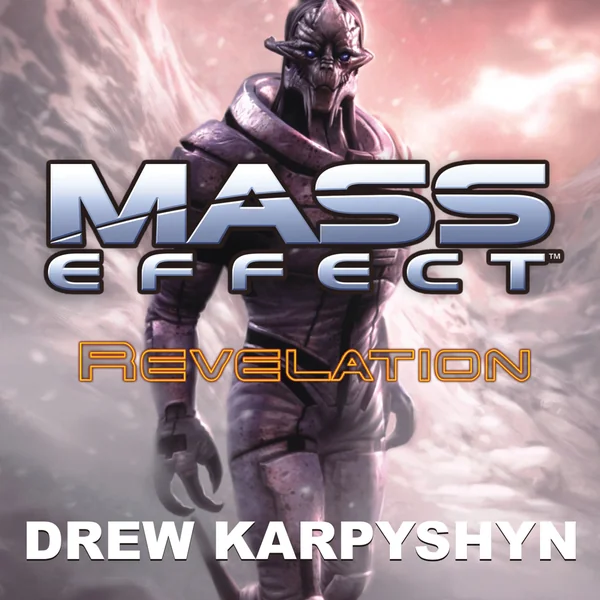
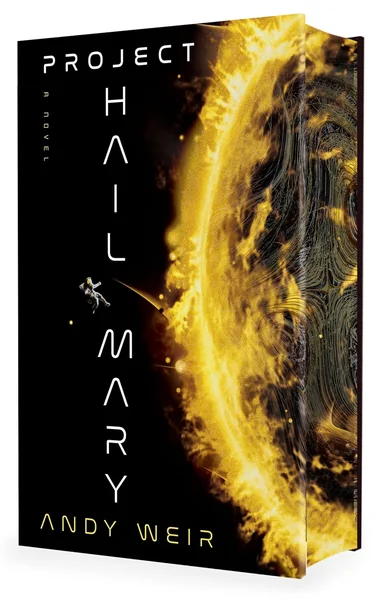
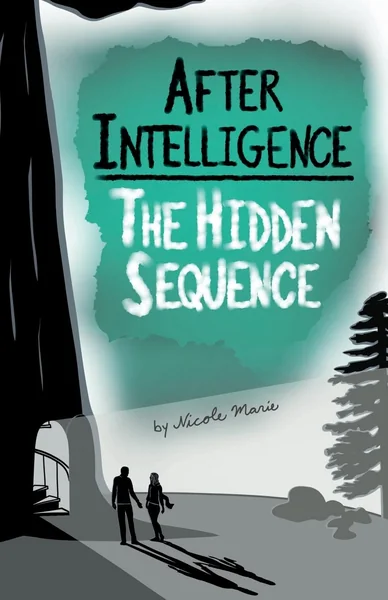
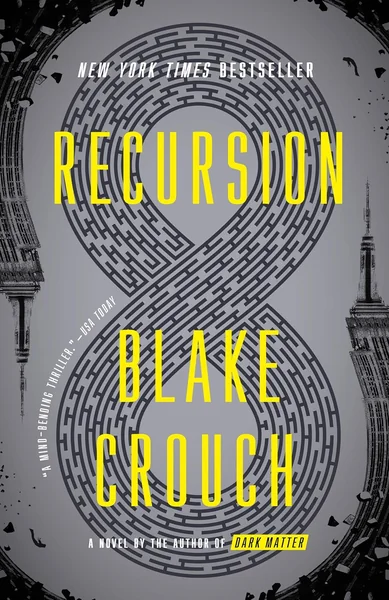
- Readers drawn to Carver's novelization for its themes of artificial intelligence, humanity's survival, and moral complexity will find rich territory in several related titles. Andy Weir's Project Hail Mary delivers the same sense of humanity-against-extinction stakes with rigorous science fiction grounding. Kazuo Ishiguro's Klara and the Sun explores questions of artificial consciousness and what it means to be human — themes that echo the Cylons' ambiguous nature in Carver's book. For AI-driven science fiction with a thriller edge, Blake Crouch's Recursion and Nicole Marie's After Intelligence: The Hidden Sequence are also worth exploring. Drew Karpyshyn's Mass Effect: Revelation, another licensed sci-fi novelization, is a natural companion for readers who enjoy franchise fiction in prose form.
- Who should read this?
- This novelization is most naturally suited to existing fans of the reimagined SciFi Channel Battlestar Galactica series who want to re-experience the miniseries pilot in expanded prose form. It will particularly reward readers interested in the technical architecture of the Galactica universe — Carver goes beyond the broadcast to flesh out details the miniseries left implicit. Dedicated fans looking for the first entry point into a four-book novelization arc will also find this a logical starting place. Readers with no prior exposure to the reimagined series, or those skeptical of licensed tie-in fiction, may be better served by independent science fiction.
- About Jeffrey A. Carver
- Jeffrey A. Carver is the author of this Battlestar Galactica novelization. For further details about his background, career, and other works, readers are encouraged to consult his official biography.
- Tell me about the adaptation
- Carver's book is itself an adaptation — a novelization of the SciFi Channel's Battlestar Galactica reimagined miniseries, which aired as a two-part pilot and was developed by Ronald D. Moore based on Glen A. Larson's original 1978 concept. The miniseries was widely regarded as a significant creative departure from the 1978 original in tone, character, and dramatic ambition, and went on to spawn a full ongoing television series. The novelization is licensed through Universal Studios and is grounded in the finished broadcast version rather than a working script, making it a faithful prose companion to what audiences actually watched.
- What are the main themes?
- At its core, the novelization grapples with humanity's survival against an existential threat of its own making — the Cylons, beings created by humanity who ultimately turned against their creators. The infiltration of human society by human-form Cylons like Number Six raises questions about identity, trust, and what separates human from machine. The story also explores the lives of soldiers and civilians across the Twelve Colonies in the days before catastrophe, grounding its science fiction stakes in recognizably human experiences of loss and resilience. These themes mirror the reimagined television series' reputation for dramatic ambition beyond the conventions of its genre.
Summarize this book
Follow up
Synthesized from verified book data & published reviews · How we review
Press Enter to ask. Answers come from our editorial Q&A — start typing to see related questions.
Age & Reading Level
Recommended age
Adult
Reading level
Adult
2 content notes · who it suits
Content to know about
Skip if you're looking for an independent science fiction novel with no prior knowledge of the reimagined Battlestar Galactica series
Our Review
What the Book Contains
The Reimagining and Its Context
Production Circumstances and What They Shaped
Reception and Strengths
Audience and Limitations
Sources & Further Reading
The key facts and claims in this review are grounded in the retrieved, verified sources listed below.
- Cited in this review
- 1
en.wikipedia.org
- 2
requiemformorebooks.wordpress.com
- Further reading
- 3
Jeffrey A. Carver, Wikipedia
Books like Battlestar Galactica
Curated picks for readers who enjoyed Battlestar Galactica, with our reasoning for each match.
If you liked Battlestar Galactica