8 min read
4.5
· 710 Amazon ratingsShare This Review

Our review
Deeplight by Frances Hardinge Review: A Dark, Richly Imagined Sea Fantasy
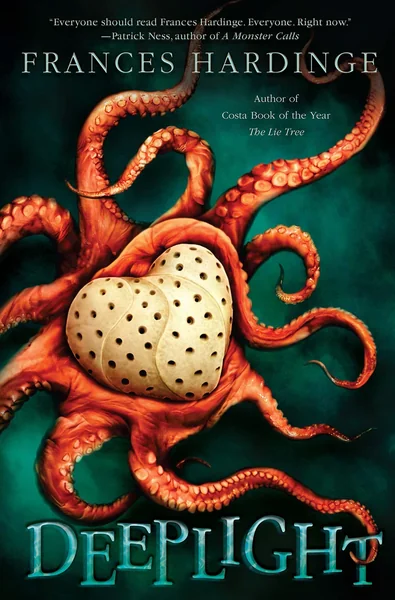
Deeplight is Frances Hardinge's ninth novel — a young adult fantasy set in the island chain of the Myriad, where enormous sea creatures once worshipped as gods have died, leaving behind dangerous relics and fractured belief. When a street-smart orphan named Hark discovers a mysterious pulsing relic and uses it to save his reckless best friend Jelt, the consequences spiral into something catastrophic. First published in 2019 by Macmillan Children's Books and later reissued by Harry N. Abrams in 2022, the novel earned starred reviews from both Kirkus Reviews and Publishers Weekly, along with praise from The Guardian and Booklist — recognition that reflects the intricate, atmospheric world-building and morally complex characters that have become hallmarks of Hardinge's fiction.
LuvemBooks Verdict
Best for
Readers aged twelve and up who want dark, literary YA fantasy with genuine moral complexity — particularly those drawn to original mythologies, emotionally fraught friendships, and worlds that take both their young audience and their ideas seriously.
Worth it if
Worth it if you have the patience for densely textured world-building and want a YA fantasy that earns its thematic ambitions — exploring fear, belief, and transformation — through fully realised characters rather than plot shortcuts.
Skip if
Skip it if you're looking for fast-paced, lighter YA fantasy fare — the novel's slow-burn world-building and unflinching treatment of dark themes will frustrate readers who prefer momentum over atmosphere.
What readers & critics say
Wikipedia's reception entry records positive reviews from The Guardian, Readings, Common Sense Media, and Booklist, alongside starred notices from both Kirkus Reviews and Publishers Weekly — a notably broad spread of trade and general-audience acclaim. The Guardian's own review called the novel "headily rich and strange throughout," placing it in conversation with The Tempest and praising Hardinge's consistent ability to create characters who "stay human to the marrow."
“Deeplight is headily 'rich and strange' throughout, preoccupied with transmuted forms, the fearsome fascination of the sea, loyalty warring with self-interest.”
— The Guardian“Monsters and mortals collide in this fantasy adventure that explores the hypnotic allure of fear, the adamant grip of the past, and the redeeming power of stories.”
— Kirkus Reviews“A captivating world of maritime magic peopled with vivid characters who don't shy from conflict.”
— Common Sense MediaAsk LuvemBooks
Was this helpful?
- Is it worth reading?
- For readers who enjoy dark, literary YA fantasy with genuine moral complexity, Deeplight stands out as one of Hardinge's strongest achievements. Starred reviews from both Kirkus Reviews and Publishers Weekly, alongside praise from The Guardian and Booklist, reflect a broad critical consensus that the novel's fearless world-building and deeply human characters more than justify its density. The key caveat: readers expecting fast-paced plotting or a lighter tone will find the novel's layered world-building demands patience, and Hardinge does not soften the darker implications of her premise.
- Similar books
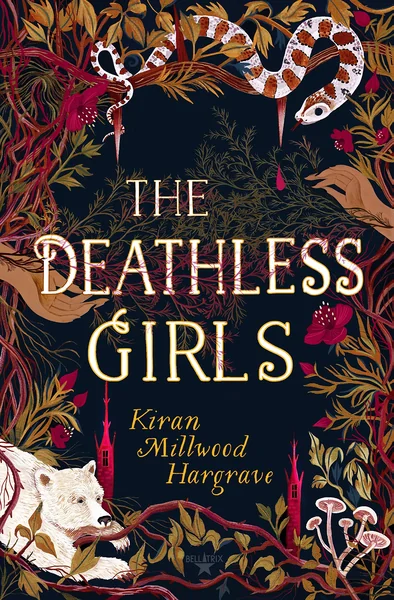
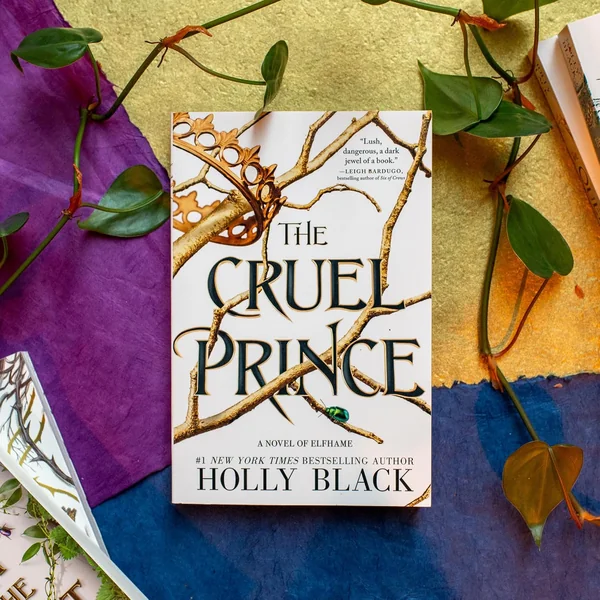
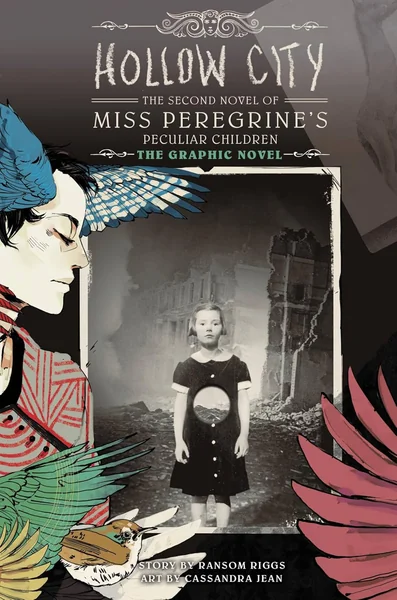
- Readers drawn to Deeplight's dark atmosphere and richly imagined world-building will find strong company in the curated selection below. Ransom Riggs's Miss Peregrine's Home for Peculiar Children and its sequel Hollow City share the same unsettling blend of mythology, peculiar monsters, and young protagonists navigating a world shaped by strange, dangerous forces. Holly Black's The Cruel Prince offers similarly morally complex characters and a fully realised dark fantasy world. Kiran Millwood Hargrave's The Deathless Girls echoes Deeplight's preoccupation with myth, dread, and the cost of loyalty. For readers who prize literary ambition in YA, Markus Zusak's The Book Thief — like Deeplight, praised for treating its young audience as equal to its considerable thematic weight — is another natural companion read. Hardinge's own A Face Like Glass and The Lie Tree are further recommendations for those who want more of her signature style.
- Who should read this?
- Deeplight is a natural fit for fans of dark, literary YA fantasy who want moral complexity alongside adventure. It is specifically recommended for readers aged twelve and up, and those who most enjoy it are likely to be readers who value rich atmosphere, original world-building, and characters who — as critics noted — 'stay human to the marrow: flawed, cowardly, doubtful, determined, unprincipled and brave.' Readers who come primarily for fast-paced plotting, or who prefer their YA fantasy lighter in tone, are less likely to find it a comfortable fit.
- What age is it for?
- Best for ages 12 and up. Deeplight is recommended for readers twelve and up — its complex post-god mythology, densely layered world-building, and morally challenging central friendship between Hark and Jelt suit confident readers comfortable with abstract ideas, narrative ambiguity, and themes of fear, manipulation, and transformation. The novel's dark tone and unflinching treatment of loyalty warring with self-interest make it more appropriate for early teens and above than younger middle-grade readers.
- About Frances Hardinge
- Frances Hardinge is the author of Deeplight, a Young Adult novel that blends maritime mystery with fantasy elements, featuring a richly imagined underwater world and complex characters drawn into dangerous secrets. She is known for crafting intricate plots and has established a strong reputation in YA fantasy fiction.
- What are the main themes?
- Deeplight's thematic scope is broad and ambitious. Reviewers framed it as exploring 'the hypnotic allure of fear, the adamant grip of the past, and the redeeming power of stories.' The novel also interrogates the structures humans build around belief and dread — specifically, what happens to a society when the monsters it organised itself around are suddenly gone, and what fills that void. At a more intimate level, the central friendship between Hark and Jelt is a sustained examination of loyalty, manipulation, and the cost of caring for someone who is changing into something no longer recognisable.
- Where to start with Frances Hardinge?
- Deeplight works well as an entry point to Frances Hardinge's fiction — it is a standalone novel that fully showcases her mature, ninth-novel voice and the qualities critics have praised across her body of work: exceptional world-building, morally complex characters, and thematic ambition that treats its audience as equal to its ideas. Readers who want more after Deeplight are frequently pointed toward A Face Like Glass and The Lie Tree as further examples of her signature style.
Summarize this book
Follow up
Synthesized from verified book data & published reviews · How we review
Press Enter to ask. Answers come from our editorial Q&A — start typing to see related questions.
Age & Reading Level
Recommended age
Ages 12–18
Reading level
Young adult
3 content notes · who it suits
Content to know about
Best for: Ages 12 and up — densely layered world-building, moral ambiguity, and themes of fear, manipulation, and transformation suit confident early-teen readers and above.
Skip if you want fast-paced YA fantasy or a lighter, less unsettling tone.
Our Review
What the Book Is and What It Does
World and Atmosphere
Character and Emotional Core
Themes and Thematic Ambition
Reception and Readership
Sources & Further Reading
The key facts and claims in this review are grounded in the retrieved, verified sources listed below.
- Cited in this review
- 1
barnesandnoble.com
- Further reading
- 2
Frances Hardinge, Wikipedia
- 3
- 4
Open Library
Books like Deeplight
Curated picks for readers who enjoyed Deeplight, with our reasoning for each match.
If you liked Deeplight