8 min read
4.8
· 25 Amazon ratingsShare This Review
Our review
Mass Effect: Ascension by Drew Karpyshyn Review: A Canon Bridge for Devoted Series Fans
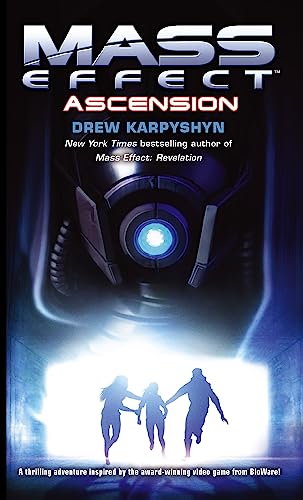
Mass Effect: Ascension is a science fiction novel by Drew Karpyshyn — one of the lead designers behind the Mass Effect video game series — that bridges the narrative gap between the first Mass Effect game and its sequel. Set roughly two months after the events of the original game, it follows Paul Grayson, a Cerberus operative and adoptive father to Gillian, a young biotic being used as a test subject by the shadowy organisation. The novel is notable for introducing the Illusive Man and the Collectors to the Mass Effect expanded universe for the first time. This review is based on the book's contents and published critical commentary, not hands-on reading.
LuvemBooks Verdict
Best for
Dedicated Mass Effect fans — particularly players who want to understand the origins of the Illusive Man and the Cerberus organisation before diving into Mass Effect 2.
Worth it if
You're invested in the Mass Effect video game trilogy and want canonical connective tissue written by one of the architects of that universe.
Skip if
You're a casual science fiction reader with little prior knowledge of the games — without that investment, the stakes and lore feel thin and the adventure generic.
What readers & critics say
Reader responses are mixed: thelearnedturtle.wordpress.com praised Karpyshyn's world-building, characterisation, and action scenes, awarding it 4 out of 5 stars, while rinnreads.wordpress.com found the writing style merely mediocre, arguing the story's only real draw is the Mass Effect setting itself. ThriftBooks reader reviews note the book stands on its own but rewards those already familiar with the series, particularly for its expanded focus on quarian culture and Cerberus.
Sources: The Learned Turtle, Rinn Reads, ThriftBooks, Dial H for HoustonAsk LuvemBooks
Was this helpful?
- Is it worth reading?
- For Mass Effect fans, Ascension offers real value: it is the only place in the franchise where the Illusive Man and the Collectors first appear, and its author's dual role as lead game designer and novelist ensures the events are fully integrated into the canon of the games. PopMatters described it as a 'solid action/adventure thriller that's a pleasant page turner,' crediting it with competent pacing and accessible storytelling. However, critics have noted it takes too long to reach the alien world-building, moral complexity, and ensemble dynamics that define the Mass Effect experience — making it more useful as connective tissue than satisfying as a standalone novel. Readers without prior investment in the games may find the stakes harder to feel.
- Similar books
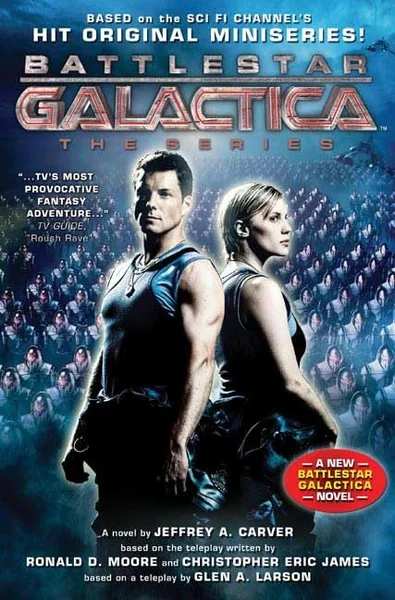
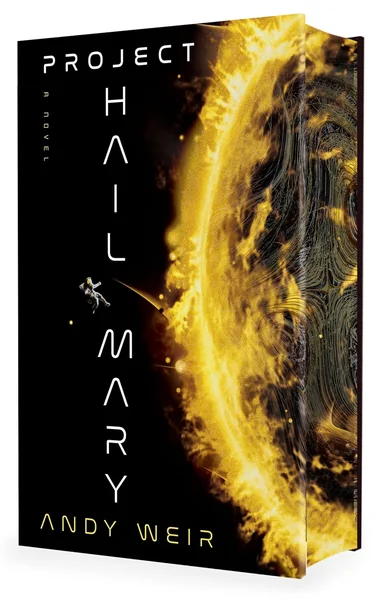
- Readers drawn to Mass Effect: Ascension's blend of action-driven science fiction and franchise world-building may also enjoy Jeffrey A. Carver's Battlestar Galactica novelisation, another canonical tie-in bridging a beloved sci-fi universe, or Graham McNeill's False Gods, a franchise novel that similarly deepens lore and introduces pivotal antagonist figures. For tightly plotted sci-fi thrillers with strong science at their core, Andy Weir's Project Hail Mary offers propulsive storytelling, while Blake Crouch's Recursion delivers high-concept tension for readers who enjoy speculative twists. Nicole Marie's After Intelligence: The Hidden Sequence rounds out the selection for those interested in AI and post-human themes within science fiction.
- Who should read this?
- Mass Effect: Ascension is aimed squarely at players and fans of the Mass Effect video game trilogy who want to deepen their understanding of the universe between instalments. It is particularly rewarding for those interested in the origins of the Illusive Man and the Cerberus organisation, and for readers who want to follow the franchise's expanded universe chronologically. Dedicated fans of Karpyshyn's earlier tie-in, Mass Effect: Revelation, will find it a natural and worthwhile continuation. Casual science fiction readers seeking a self-contained story with rich standalone world-building may find it a thinner experience.
- About Drew Karpyshyn
- Drew Karpyshyn is a science fiction author known for writing Mass Effect: Revelation, which serves as a prequel novel to the acclaimed Mass Effect video game series. The novel expands the universe established by the games, exploring the backstory and characters central to that franchise.
- How does this compare to Mass Effect: Revelation?
- Both Ascension and Mass Effect: Revelation are written by Drew Karpyshyn and form part of the same continuous expanded-universe thread, with Ascension serving as a direct sequel to Revelation. Where Revelation functions as a prequel to the first game, Ascension bridges the narrative gap between the first and second games, introducing the Illusive Man and the Collectors to the franchise for the first time. Both novels carry the canonical authority of a writer who also served as a lead designer on the games themselves.
- What format or edition is available?
- Mass Effect: Ascension is available in standard print editions. An Italian-language edition, published by Multiplayer.it Edizioni, makes the novel accessible to Italian-speaking members of the Mass Effect fanbase. The review is based on the book's contents and published critical commentary.
- What are the main themes?
- At its core, Ascension explores the tension between institutional loyalty and parental love, embodied in Paul Grayson's conflict between his role as a Cerberus operative and his identity as an adoptive father to Gillian. The novel also engages with the ethics of human experimentation — Gillian is administered biotic-enhancing drugs without full consent as part of the Ascension Project — and with the moral compromises required by membership in a covert organisation like Cerberus. More broadly, as franchise fiction, it examines what it means to be 'fully integrated' into a larger narrative universe, prioritising canonical completeness alongside its character-driven human throughline.
Summarize this book
Follow up
Synthesized from verified book data & published reviews · How we review
Press Enter to ask. Answers come from our editorial Q&A — start typing to see related questions.
Our Review
What the Novel Is and What It Contains
Canonical Significance: First Appearances That Matter
Karpyshyn's Strengths as a Franchise Insider
Where the Novel Falls Short
Who This Novel Is Genuinely For
Sources & Further Reading
The key facts and claims in this review are grounded in the retrieved, verified sources listed below.
- Cited in this review
- 1
en.wikipedia.org
- 2
penguinrandomhouse.com
- 3
dialhforhouston.wordpress.com
- Further reading
- 4
Drew Karpyshyn, Wikipedia
- 5
- 6
Open Library
Age & Reading Level
Recommended age
Adult
Reading level
Adult
2 content notes · who it suits
Content to know about
Skip if you want a self-contained science fiction novel with rich standalone world-building and no prior franchise knowledge required.
Books like Mass Effect
Curated picks for readers who enjoyed Mass Effect, with our reasoning for each match.
If you liked Mass Effect