8 min read
3.9
· 710 Amazon ratingsShare This Review

Our review
Mass Effect: Deception by William C. Dietz Review: A Tie-In Novel Undone by Continuity Errors
Mass Effect: Deception is the fourth and final novel set in the Mass Effect universe, written by William C. Dietz and published in 2012 by Del Rey Books. It extends the narrative established by the three preceding tie-in novels, but became notable primarily for the significant volume of continuity errors it contained — errors serious enough that BioWare and Del Rey publicly apologized and announced plans to revise future editions. This review covers the novel's content and published reception; it does not reflect hands-on reading or testing.
LuvemBooks Verdict
Best for
Readers completing the full four-book Mass Effect novel arc who want narrative closure and are less invested in strict canon fidelity than in action-oriented science fiction set against the franchise's universe.
Worth it if
You're a Dietz fan or a casual Mass Effect reader who can tolerate lore inconsistencies and simply wants to finish the series — especially if you seek out a later printing that may incorporate BioWare and Del Rey's announced revisions.
Skip if
You're a dedicated Mass Effect fan with deep knowledge of the game canon — the widely documented continuity errors and the resulting public apology from BioWare and Del Rey make this the most fraught entry in the series to recommend without significant qualification.
What readers & critics say
Wikipedia notes that Deception became notable for its sharply negative fan reception, driven by a substantial number of continuity errors, which generated significant media coverage and an official joint apology from Del Rey and BioWare. Reader reviews aggregated on Barnes & Noble reflect a similarly low overall rating, with fans citing serious lore and continuity failures and broadly recommending Drew Karpyshyn's earlier Mass Effect novels over this entry.
Sources: Wikipedia, Barnes & NobleAsk LuvemBooks
Was this helpful?
- Is it worth reading?
- The answer depends heavily on how much a reader values strict canon fidelity. For dedicated Mass Effect fans with deep knowledge of the game series, the documented continuity errors remain the central caveat — and the question of whether revised editions corrected them to satisfaction is one best investigated before purchase. Readers drawn to William C. Dietz's work in other licensed universes (Halo, Hitman) or those seeking science fiction action set against the Mass Effect backdrop with less investment in strict lore accuracy will find a different calculus. As the only completion of the four-book arc, it holds value for readers already invested in the expanded-universe novels, though the circumstances of its reception make it one of the more complicated entries to recommend without qualification.
- Who should read this?
- Mass Effect: Deception is primarily for readers already invested in the Mass Effect expanded-universe fiction line who want to complete the four-book arc. Fans of William C. Dietz's other licensed tie-in work — including his novels set in the Halo and Hitman universes — will recognize the franchise experience he brings to the assignment. Readers with deep knowledge of the Mass Effect game canon are the most likely to be frustrated by the documented lore inconsistencies, while those approaching it as action-oriented science fiction with lighter attachment to strict canon fidelity will find fewer obstacles.
- Similar books
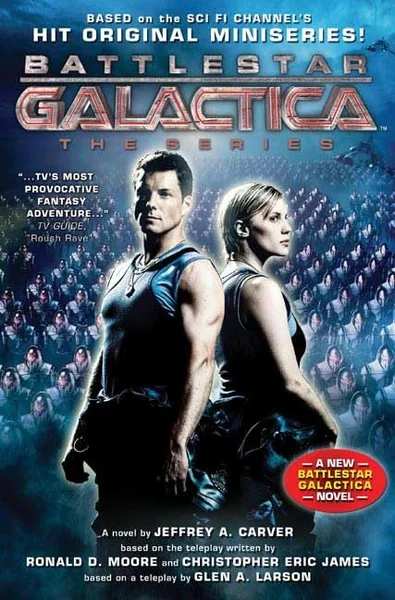
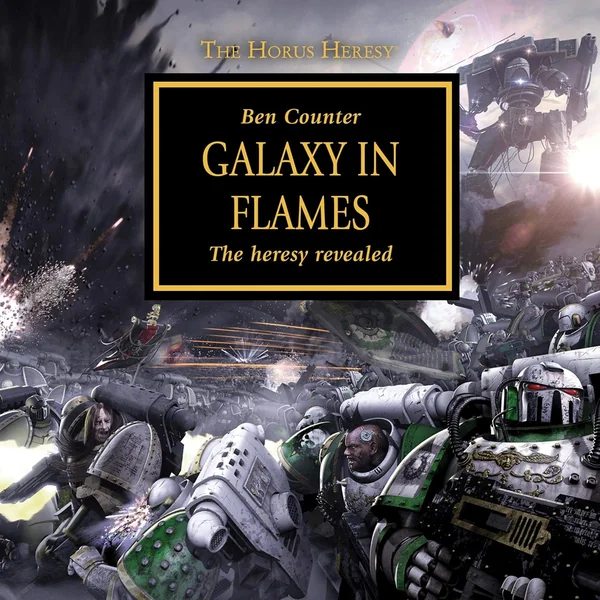
- Readers drawn to Mass Effect: Deception's blend of licensed science fiction universe-building and action may also enjoy False Gods by Graham McNeill, a Warhammer 40,000 tie-in novel that similarly expands a rich, lore-dense franchise universe and will reward fans deeply familiar with its canon. Battlestar Galactica by Jeffrey A. Carver offers another entry in the tradition of TV/game-adjacent science fiction tie-ins navigating an established mythology. For AI-driven science fiction with a more original bent, After Intelligence: The Hidden Sequence by Nicole Marie and Recursion by Blake Crouch both explore machine intelligence and existential stakes in ways that echo the Mass Effect franchise's core themes of humanity versus synthetic life.
- About William C. Dietz
- William C. Dietz is a science fiction author known for his work in established universes, including his novel Mass Effect: Deception, which continues the story of the popular video game franchise. In this book, Dietz expands the Mass Effect universe, bringing his experience with licensed tie-in fiction to the fourth and final entry in the novel series.
- What's this book about?
- Mass Effect: Deception is a tie-in novel set in the science fiction universe BioWare created for its award-winning video game franchise. Published in January 2012 by Del Rey Books, it continues story threads developed across the three preceding Mass Effect novels and is set against the franchise's central premise: every fifty thousand years, a race of sentient machines invades the galaxy to harvest all organic life. As the fourth and final novel in the series, it functions as the concluding chapter of the expanded-universe fiction arc — though its reception was defined far more by a substantial volume of continuity errors than by its narrative content.
- What does it reveal about franchise storytelling?
- Deception became a significant case study in how transmedia franchises can fracture when cross-property oversight breaks down. Tom Dowd examined the episode in Storytelling Across Worlds: Transmedia for Creatives and Producers, citing it as an illustration of the difficulties studios face managing narrative continuity across different media, and describing the situation as embarrassing for BioWare given the studio's public positioning as a developer 'who is all about storytelling.' The controversy exposed the structural challenge of maintaining a coherent fictional canon when novels, games, and other media are produced by separate creative teams under different constraints and timelines — a lesson with broad relevance to any franchise operating across multiple formats.
Summarize this book
Follow up
Synthesized from verified book data & published reviews · How we review
Press Enter to ask. Answers come from our editorial Q&A — start typing to see related questions.
Age & Reading Level
Recommended age
Adult
Reading level
Adult
who it suits
Skip if you are a dedicated Mass Effect fan with deep knowledge of game canon and a low tolerance for lore inconsistencies.
Our Review
What the Novel Is and Where It Fits
Reception: A Flashpoint for Fan and Industry Criticism
The Continuity Problem and Its Industry Significance
Dietz as Author: Experience and Expectations
Who This Novel Is — and Is Not — For
Sources & Further Reading
The key facts and claims in this review are grounded in the retrieved, verified sources listed below.
- Cited in this review
- 1
- 2
books.apple.com
- 3
barnesandnoble.com
- Further reading
- 4
William C. Dietz, Wikipedia
- 5
- 6
Open Library
Books like Mass Effect
Curated picks for readers who enjoyed Mass Effect, with our reasoning for each match.
If you liked Mass Effect