Our reviews
44 business & economics books we've reviewed, each with who it's for, who should skip it and every source we used.
44 reviews match
Jim Clifton, Jim Harter
Best for: HR leaders, managers navigating multigenerational teams, and executives driving cultural change who want a data-backed case for shifting from directive management to a strengths-based coaching model.
Shaina Loerzel
Best for: Readers new to Warren Buffett's story who want a concise, values-centred introduction that connects his investment decisions to the personal principles — patience, frugality, and long-term thinking — that shaped them.
Napoleon Hill
Best for: Readers who want to understand the intellectual roots of the American self-help and motivational tradition — whether as true believers seeking a modernised entry point to Hill's 14 principles or as cultural historians tracing the lineage of a genre that has shaped generations of success coaches and practitioners.
Kim Scott
Best for: Managers and team leads — especially those stepping into leadership roles for the first time — who want a concrete, nameable framework for giving and receiving honest feedback without sacrificing genuine care for the people they lead.
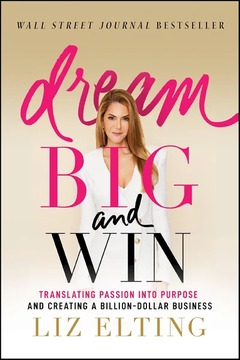
Liz Elting
Best for: Current and aspiring entrepreneurs, professionals weighing a founding leap, and business students who want a first-person, action-oriented account of scaling a company from an NYU dorm room to billion-dollar global enterprise.
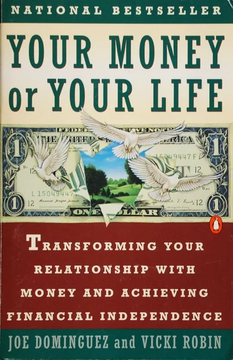
Joe Dominguez, Vicki Robin
Best for: Readers who suspect their earning and spending habits are out of step with what they genuinely value, and who want a structured, philosophically grounded nine-step framework — not just tactical tips — for diagnosing and reshaping their relationship with money.
Burton G. Malkiel
Best for: Investors at any stage — from first 401(k) to retirement — who want a rigorous, data-driven case for passive index-fund investing grounded in fifty years of academic research rather than market-beating tips.
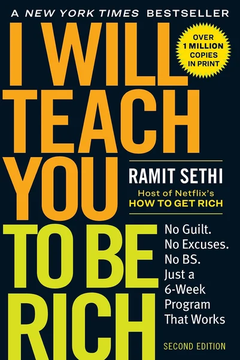
Ramit Sethi
Best for: Young adults who are new to managing money and want a structured, action-oriented program that builds an automated financial system from the ground up — with minimal prior knowledge required.
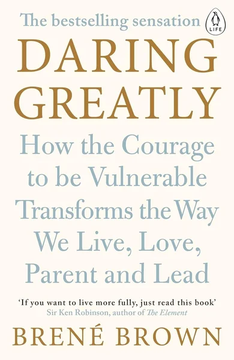
Brené Brown
Best for: Readers who feel held back by shame, fear of failure, or the urge to self-protect, and who want a research-backed, accessible framework for understanding vulnerability across their relationships, work, and parenting life.
Mel Lindauer, Taylor Larimore, Michael LeBoeuf
Best for: Self-directed investors at any stage who want a philosophy-first, jargon-light framework for building long-term wealth through low-cost index funds — especially those new to Boglehead principles looking for the movement's canonical starting point.
J.L. Collins
Best for: Readers who feel overwhelmed or misled by the financial industry and want a clear, evidence-grounded starting point for building long-term wealth through index fund investing and financial independence principles.
Stephen R. Covey
Best for: Professionals, managers, or motivated self-improvers who want a cohesive, principle-grounded framework for personal and interpersonal effectiveness — and are willing to invest patience in a dense, philosophically serious read rather than a quick-fix checklist.
Henry Hazlitt
Best for: Curious general readers with no economics background who want a concise, principle-driven introduction to free-market thinking and a reusable framework for evaluating economic policy claims.
Thomas J. Stanley and William D. Danko
Best for: Readers new to personal finance who want to engage with the foundational, research-backed text behind the "live below your means" argument — rather than one of its many derivative summaries — and who are ready to apply the PAW/UAW self-diagnostic framework to their own financial situation.
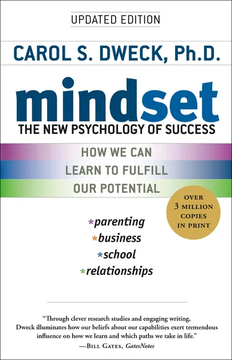
Carol S. Dweck
Best for: Curious general readers — whether in education, business, sport, or parenting — who want a research-grounded introduction to how beliefs about ability shape achievement across virtually every life domain.
Eric Ries
Best for: Founders, product managers, and intrapreneurs who need a structured, repeatable methodology for launching and iterating on new products under uncertainty — particularly those working in tech or knowledge-based industries where rapid prototyping is feasible.
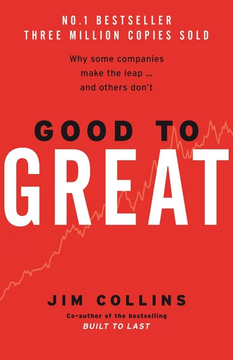
Jim Collins
Best for: Managers, MBA students, or leadership-development participants who want a research-anchored introduction to organizational strategy and want frameworks — Level 5 Leadership, the Hedgehog Concept, the Flywheel — they can test and debate against real organizational contexts.
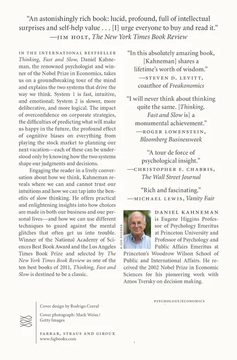
Daniel Kahneman
Best for: Readers curious about the hidden mechanics of human decision-making — whether in markets, careers, or everyday life — who want a rigorous yet accessible survey of behavioral economics and cognitive psychology from one of the field's founding figures.
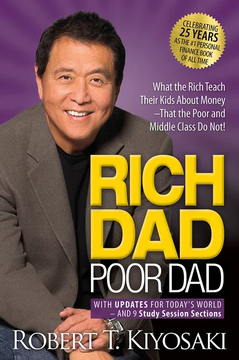
Robert T. Kiyosaki
Best for: First-time readers of personal finance who have never encountered concepts like assets vs. liabilities, passive income, or the distinction between earning a salary and building wealth — and who respond better to parable-driven narrative than to technical instruction.
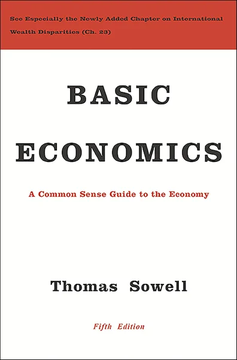
Thomas Sowell
Best for: Curious general readers who want a rigorous, jargon-free grounding in economic thinking — from prices and labor markets to international trade — without needing any prior training in the subject.
