Our reviews
25 biography & memoir books we've reviewed, each with who it's for, who should skip it and every source we used.
25 reviews match
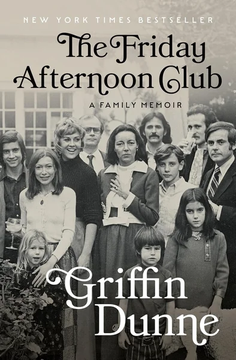
Griffin Dunne
Best for: Readers who want Hollywood-insider storytelling anchored in genuine literary lineage and real stakes — admirers of Joan Didion and Dominick Dunne, and readers of true-crime-adjacent memoirs who want the trial material to be substantial rather than incidental.

Lena Dunham
Best for: Readers who followed Girls and want the unfiltered account of what was happening offscreen — and illness-memoir readers who want endometriosis, Ehlers–Danlos, and addiction rendered with specificity rather than uplift.
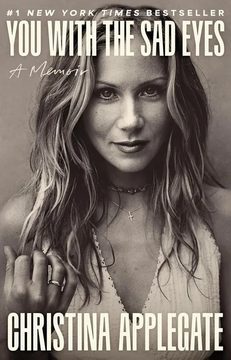
Christina Applegate
Best for: Readers drawn to celebrity memoirs that trade career gloss for psychological rawness — particularly those interested in Christina Applegate's life through the lens of childhood trauma, MS diagnosis, and the kind of candid self-examination rarely found in the genre.
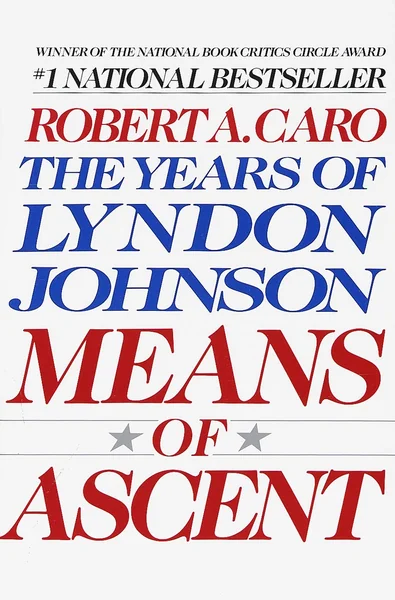
Robert A. Caro
Best for: Readers with a serious interest in American political biography, the mechanics of mid-century democratic politics, or the psychology of political ambition — particularly those who have already read The Path to Power and want to follow Caro's portrait of Johnson through his most nakedly opportunistic years.
Lara Love Hardin
Best for: Readers drawn to addiction and recovery memoirs who want unflinching candor over tidy resolution — particularly those curious about the intersection of jail culture and the literary-professional world.
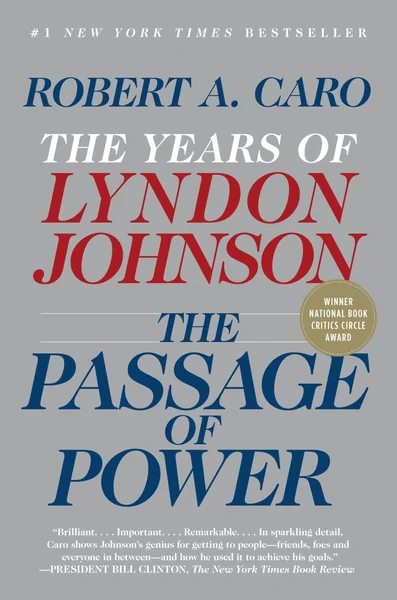
Robert A. Caro
Best for: Readers already invested in Caro's Years of Lyndon Johnson series who want to understand how LBJ's character, resentments, and legislative genius shaped one of the most consequential political transitions in American history.
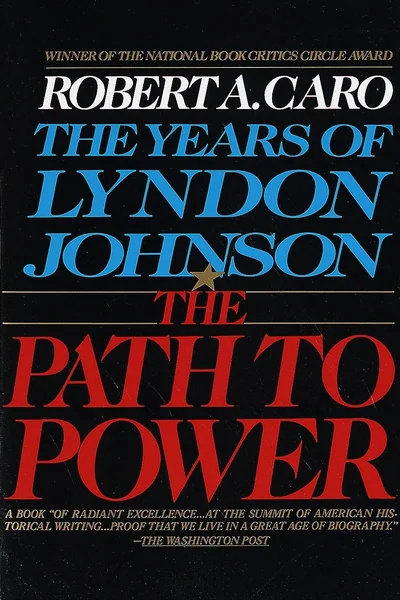
Robert A. Caro
Best for: Readers with a serious interest in American political history and the mechanics of power who are prepared to commit to an exhaustive, deeply researched account of how Lyndon Johnson's extraordinary — and often ruthless — drive for dominance was shaped by poverty, place, and relentless ambition.
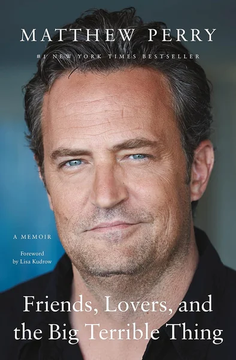
Matthew Perry
Best for: Fans of Friends who want to understand the man behind Chandler Bing, and readers drawn to addiction narratives told with raw honesty rather than tidy resolution.
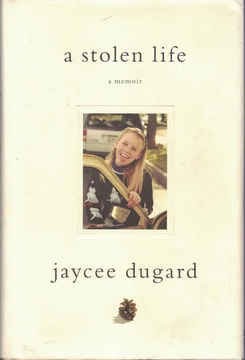
Jaycee Dugard
Best for: Readers drawn to survivor memoirs and the psychology of resilience under extreme conditions — particularly those who followed Dugard's case through news coverage and want the interiority, continuity, and systemic accountability that reporting could never provide.
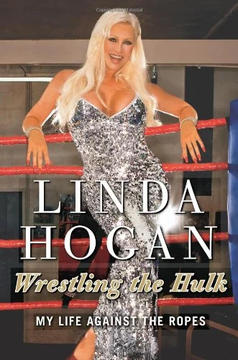
Linda Hogan
Best for: Readers curious about the private reality behind VH1's Hogan Knows Best — particularly those interested in accounts of women rebuilding identity after high-profile, difficult marriages — who want a perspective on the Hogan family's domestic life unavailable from any other source.
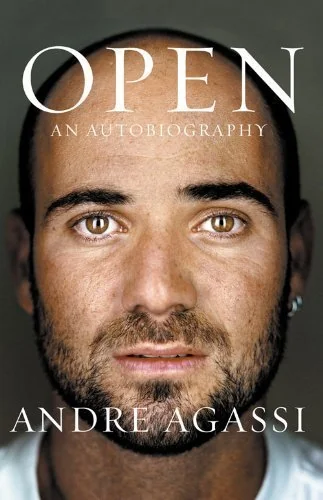
Andre Agassi
Best for: Readers drawn to confessional literary memoir — particularly those interested in identity, the psychology of prodigy, and the price of external pressure — who want a sports book that functions as something far richer and more unsettling than a victory lap.
turner-tina-with
Best for: Readers who want the full, unmediated account of Tina Turner's life — particularly those drawn to her story through the 1993 film and seeking the primary source behind Angela Bassett's portrayal, with considerably more depth and candor than the screen adaptation provides.
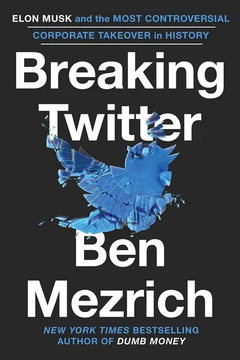
Ben Mezrich
Best for: Readers already familiar with Mezrich's novelistic approach to tech-world nonfiction — think The Social Network or Dumb Money — who want a fast-moving, cinematic account of the Twitter acquisition and are comfortable trading documentary rigour for propulsive storytelling.
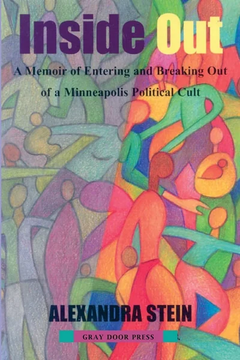
Alexandra Stein
Best for: Readers drawn to firsthand accounts of cult life and coercive control who want a memoir that operates simultaneously as personal testimony and analytical insight into how educated people get drawn into extremist political organizations.
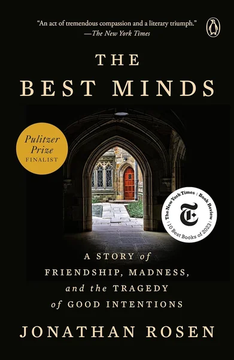
Jonathan Rosen
Best for: Readers drawn to literary memoir that works simultaneously as cultural history — particularly those interested in mental illness, American meritocracy, the limits of friendship, and the policy failures of late twentieth-century deinstitutionalization.
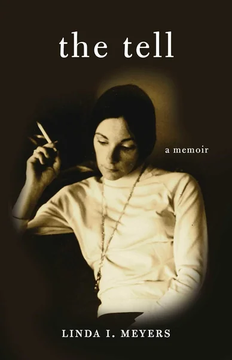
Linda I. Meyers
Best for: Readers drawn to Jewish-American family memoir and mid-twentieth-century social history — particularly those who appreciate non-linear, essay-based structures that build emotional truth gradually rather than driving toward a single narrative climax.
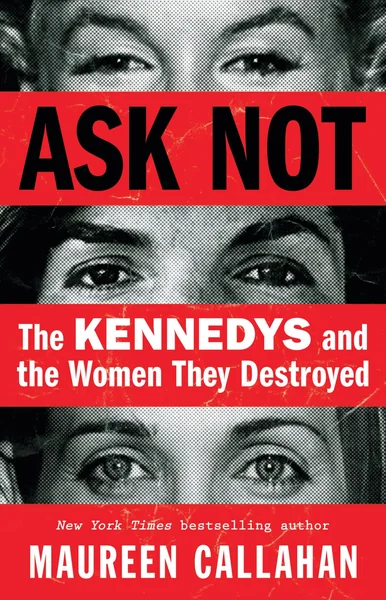
Maureen Callahan
Best for: Readers who want a multigenerational, investigative reckoning with the Kennedy men's treatment of women — centered on the victims rather than the dynasty's mythology.
Lisa-Marie Presley, Riley Keough
Best for: Readers who want a candid, emotionally unsparing memoir about addiction, grief, and an extraordinary life — particularly those drawn to accounts that resist celebrity gloss and engage seriously with trauma and loss across generations.
Yeonmi Park, Maryanne Vollers
Best for: Readers drawn to narrative nonfiction and survivor memoir who want a complete, structurally clear account of life inside North Korea — from childhood deprivation through escape and resettlement — particularly those with an interest in human rights or authoritarian regimes.
Katariina Rosenblatt, Cecil Murphey
Best for: Survivors, parents, educators, and advocates who want the domestic sex trafficking crisis made viscerally concrete through a single, documented personal story rather than policy abstraction — especially readers for whom a faith-rooted survival narrative will resonate.
Robert A Caro
Best for: Readers with a serious interest in the mechanics of American political power, the legislative history of civil rights, or the mid-twentieth-century Senate who are prepared to engage with the full multi-volume series.
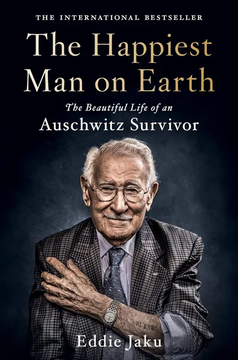
Eddie Jaku
Best for: Readers drawn to Holocaust memoir who want not only survivor testimony but a sustained philosophical argument — grounded in lived experience — for choosing gratitude, friendship, and joy over hatred and despair.
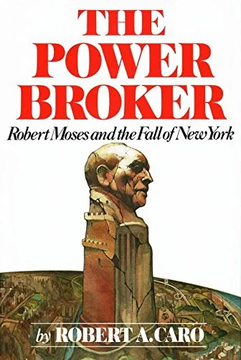
Robert A. Caro
Best for: Readers with a serious appetite for political history, urban studies, or biography who want to understand how institutional power is actually built and abused — and who are prepared to commit to a 1,280-page deep dive into twentieth-century American governance.
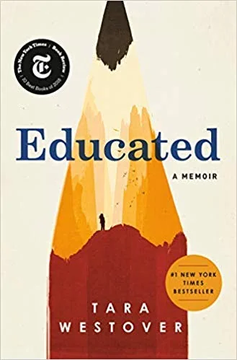
Tara Westover
Best for: Readers drawn to memoir that works simultaneously as family narrative, intellectual history, and ethical inquiry — particularly those interested in education, memory, and the cost of self-determination.
