Our reviews
1,017 books, each with who it's for, who should skip it, reading level and content notes, and every source we used.
233 reviews match
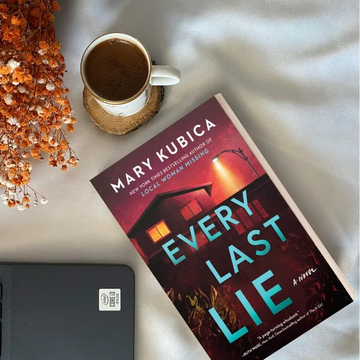
Mary Kubica
Best for: Readers drawn to domestic suspense built around dual-timeline architecture and the slow unravelling of a marriage's hidden secrets — particularly those who enjoy unreliable narrators and dramatic irony driven by a widening gap between what the reader knows and what the grieving protagonist can yet see.
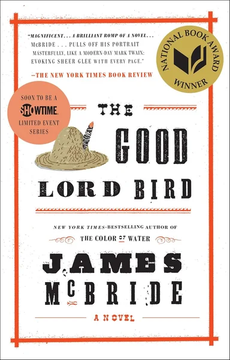
James McBride
Best for: Readers who love picaresque historical fiction in the Twain tradition — particularly those drawn to narratives of survival, disguise, and moral complexity told through an irreverent, comedic voice rather than solemn reverence.
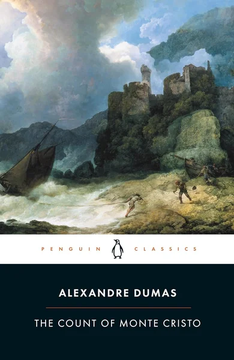
Alexandre Dumas
Best for: Readers with an appetite for grand-scale adventure fiction who want the complete, unabridged experience of Dumas's intricate revenge plot — particularly those drawn to morally complex protagonists, nineteenth-century French history, and long-form narratives that reward patience.
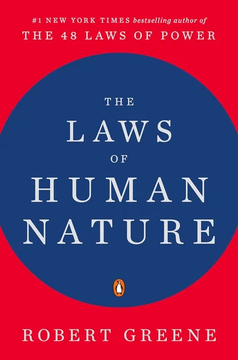
Robert Greene
Best for: Adults navigating complex professional and social environments who want a modular, historically grounded framework for understanding colleagues, rivals, and their own psychological blind spots — especially those already engaged with Greene's earlier works like The 48 Laws of Power.
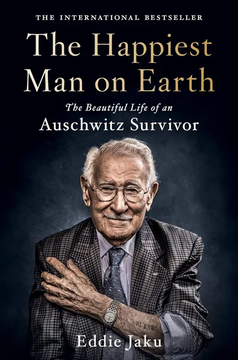
Eddie Jaku
Best for: Readers drawn to Holocaust memoir who want not only survivor testimony but a sustained philosophical argument — grounded in lived experience — for choosing gratitude, friendship, and joy over hatred and despair.
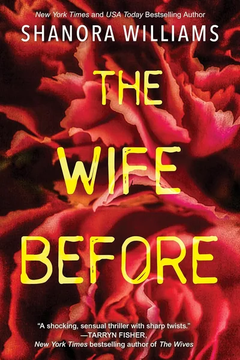
Shanora Williams
Best for: Readers who love emotionally intense, fast-moving domestic thrillers built around dark relationship dynamics, glamorous secrets, and genuinely shocking twists — particularly fans of Colleen Hoover's Verity looking for their next obsession.
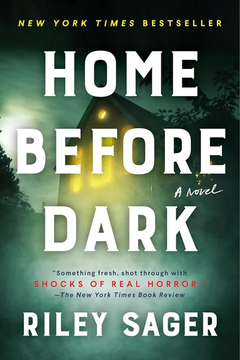
Riley Sager
Best for: Fans of atmospheric psychological horror — particularly readers who enjoy a strong mystery puzzle layered beneath the scares, and who relish haunted-house stories in the tradition of The Amityville Horror and The Haunting of Hill House.
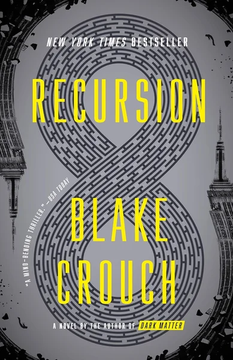
Blake Crouch
Best for: Readers who want high-concept science fiction anchored in genuine emotional stakes — particularly those drawn to grief, memory, and identity explored through a tightly engineered thriller framework with a dual-protagonist structure.
Alex Michaelides
Best for: Readers who love tightly engineered psychological thrillers with a dual narrative structure, a locked-room mystery built around a single electrifying silence, and a climactic twist designed to reframe everything that came before.
Gabor Maté
Best for: Anyone managing a chronic health condition — from cancer and MS to IBS and Alzheimer's — who wants a serious, research-grounded account of how suppressed emotion and hidden stress may be contributing to their illness, and who is open to reconsidering the relationship between their inner life and their physical health.
Francis Fukuyama
Best for: Readers with a serious interest in political science, comparative history, or the theory of state formation who want a rigorous, panoramic account of how modern governance institutions emerged — and why replicating them in fragile states is so difficult.
Robert A. Caro
Best for: Readers with a serious appetite for political history, urban studies, or biography who want to understand how institutional power is actually built and abused — and who are prepared to commit to a 1,280-page deep dive into twentieth-century American governance.
Erich Maria Remarque
Best for: Readers aged 15 and up — particularly those drawn to Hemingway-style war literature, students encountering it as assigned reading, or viewers of the 2022 Academy Award-winning film who want to experience the spare, first-person intimacy of Remarque's original source text.
Arthur Conan Doyle
Best for: Young mystery lovers aged 8–11 who are ready for genuine suspense and puzzle-driven plotting but are not yet equipped — or not yet motivated — to tackle unabridged Victorian prose, and for parents or teachers wanting to introduce Sherlock Holmes in a structured, illustrated chapter-book format.
Mary Beard
Best for: Readers with some existing curiosity about ancient Rome who want to understand how we know what we know about Roman history — its multicultural realities, contested identities, and political complexity — rather than a straightforward chronological survey of emperors and battles.
John Green
Best for: Readers aged 16 and up who want young adult fiction that takes adolescent grief, moral ambiguity, and philosophical inquiry as seriously as adult literary fiction — particularly those drawn to structurally inventive storytelling and John Green's wider body of work.
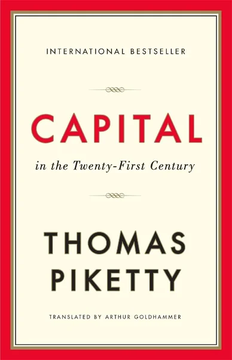
Thomas Piketty
Best for: Economists, historians, political scientists, policy professionals, and engaged general readers with a genuine tolerance for dense, data-heavy argumentation who want a rigorous, historically grounded account of wealth inequality and capitalism's long-run dynamics.
Ransom Riggs
Best for: YA readers drawn to atmosphere and formal novelty — particularly those who respond to eerie visual storytelling and are happy to let world-building and a genuinely original conceit carry the weight of the narrative.
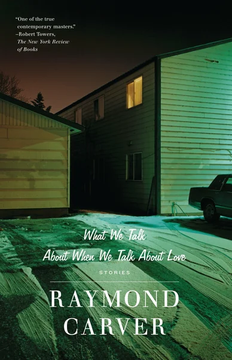
Raymond Carver
Best for: Readers already drawn to American literary minimalism, the working-class realist tradition, or Carver's wider body of work who want to engage with the collection that first established his reputation and remains a touchstone of the short story form.
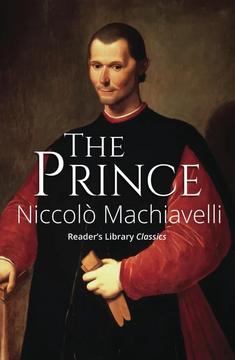
Niccolò Machiavelli
Best for: Readers seriously interested in the origins of modern political thought — students of history, political science, business strategy, or leadership theory — who want to engage with a foundational and deliberately provocative text in a compact, accessible edition.
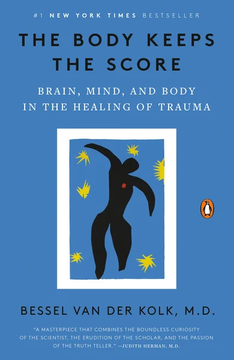
Bessel van der Kolk
Best for: Readers — whether lay or clinical — seeking an accessible, narrative-driven introduction to the idea that trauma reshapes the body and brain, and who want a broad survey of treatment approaches including EMDR, yoga, and limbic system therapy.
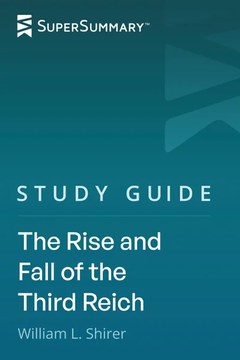
William L. Shirer
Best for: General readers seeking a single, comprehensive, deeply primary-sourced narrative of the Nazi era — particularly those coming to the subject without a background in professional historiography.
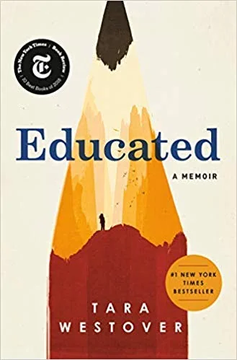
Tara Westover
Best for: Readers drawn to memoir that works simultaneously as family narrative, intellectual history, and ethical inquiry — particularly those interested in education, memory, and the cost of self-determination.
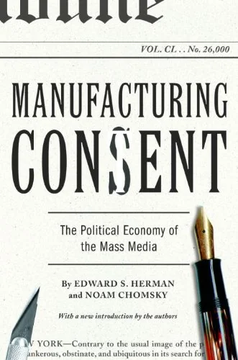
Edward S. Herman and Noam Chomsky
Best for: Serious readers of political economy, media studies, or journalism who want a rigorous, evidence-grounded framework for understanding how corporate and state interests structurally shape mainstream news coverage.
