Our reviews
1,017 books, each with who it's for, who should skip it, reading level and content notes, and every source we used.
1,017 reviews
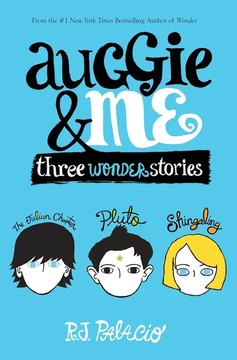
R. J. Palacio
Best for: Devoted fans of Wonder who finished the original novel and want to spend more time in Auggie's world through the eyes of the people around him — particularly readers aged 9–11 and teachers looking for flexible, classroom-ready companion material.
Israel Regardie
First published in 1937 and now in its seventh edition, Israel Regardie's The Golden Dawn is widely regarded as the most influential modern handbook of magical theory and practice — a foundational text for anyone serious about Western occultism, ceremonial magic, or the esoteric traditions of the Hermetic Order of the Golden Dawn. This review covers the book's content and published reception; whether its teachings work in practice is a matter for the practitioner, not the page.
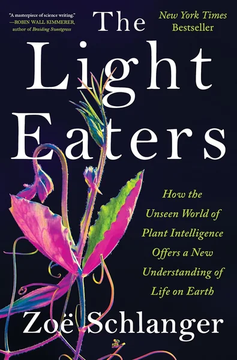
Zoë Schlanger
Best for: Curious general readers who want a narrative-driven tour of cutting-edge botany — especially those interested in the sociology and politics of science, and in the philosophical questions that arise when biology pushes at the edges of what we call a "mind."
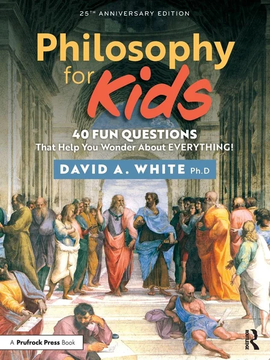
David White
Best for: Educators, homeschooling parents, and classroom teachers looking for a structured, discussion-ready philosophy curriculum — authored by a credentialed philosopher — to introduce children in roughly grades 3–6 to serious philosophical thinking across values, knowledge, reality, and critical reasoning.
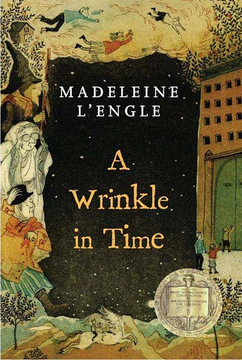
Madeleine L'Engle
First published in 1962 and winner of the Newbery Medal, the Sequoyah Book Award, and the Lewis Carroll Shelf Award, A Wrinkle in Time by Madeleine L'Engle is a landmark science fantasy novel that follows awkward, brilliant Meg Murry and her companions on a journey across the universe to rescue her father from a cosmic evil — a book that has challenged, delighted, and divided readers across generations.
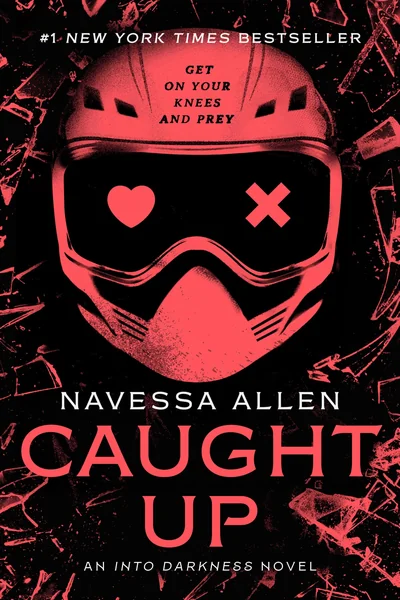
Navessa Allen
Best for: Readers already invested in the Into Darkness world after Lights Out who want high-heat, mafia-inflected dark romance with a second-chance storyline, morally grey characters, and thematic depth around agency, obsession, and escaping cycles of violence.
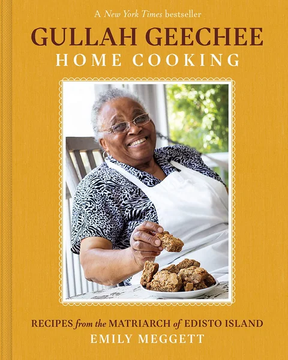
Emily Meggett
Best for: Readers passionate about American culinary heritage, Southern food history, or the African roots of American cooking who want both a practical recipe collection and a richly documented cultural record of the Gullah Geechee community of Edisto Island.
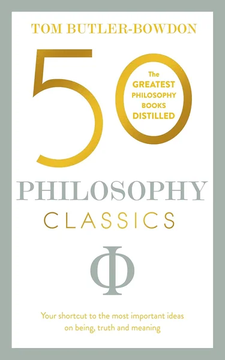
Tom Butler-Bowdon
50 Philosophy Classics by Tom Butler-Bowdon is a reference and companion guide designed to make two millennia of philosophical thought accessible to general readers, covering fifty landmark works from thinkers including Aristotle, Plato, Descartes, Kant, Sartre, Foucault, and Wittgenstein. This review is based on the book's documented contents and published reception — not hands-on use or application.
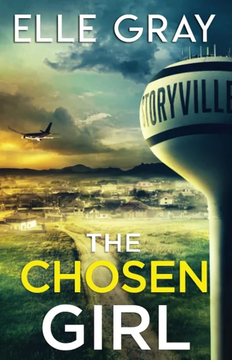
Elle Gray
The Chosen Girl launches Elle Gray's Storyville FBI Mystery Thriller series with FBI agent Coraline Pratt arriving in a town that is equal parts crime scene and supernatural enigma — a confident series-starter that blends procedural urgency with small-town mystery and darkly otherworldly atmosphere.
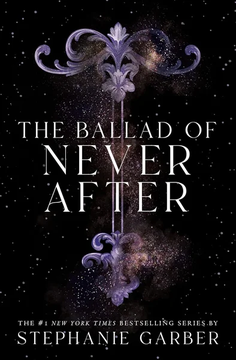
Stephanie Garber
The Ballad of Never After is the #1 New York Times bestselling second installment in Stephanie Garber's Once Upon a Broken Heart series, continuing the story of Evangeline Fox and the enigmatic Jacks, the Prince of Hearts, across a world of magic, mystery, and fractured trust. This review is based on published sources and the record of critical and reader reception — not hands-on reading.
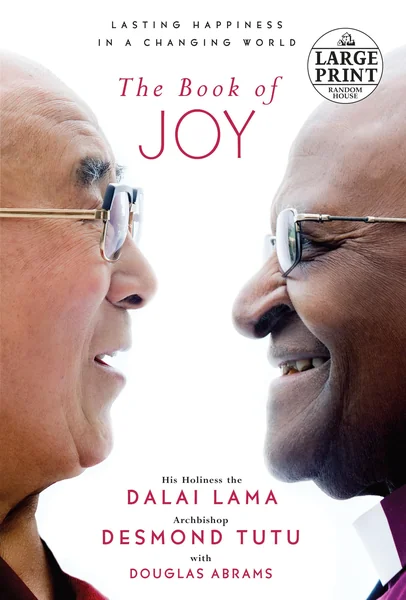
Dalai Lama, Desmond Tutu, Douglas Carlton Abrams
Best for: Readers seeking accessible, cross-tradition wisdom on finding joy amid suffering — particularly those drawn to the personal authority of two Nobel Peace Prize Laureates whose lives of exile and oppression lend the book's argument an uncommon moral weight.
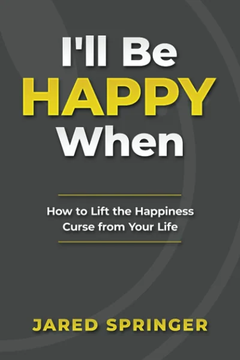
Jared Springer
Best for: Entrepreneurially minded readers who recognise the habit of deferring happiness to the next milestone and want a concise, story-led guide to breaking that cycle without abandoning their ambition.
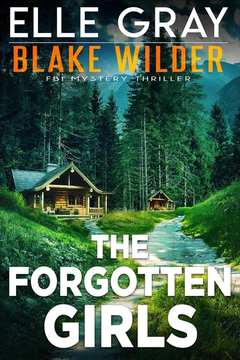
Elle Gray
Best for: Dedicated Blake Wilder series followers who have read through the preceding thirty-two entries and want to see FBI agent Blake Wilder's story through to its conclusion in the penultimate stretch of the thirty-five-book arc.
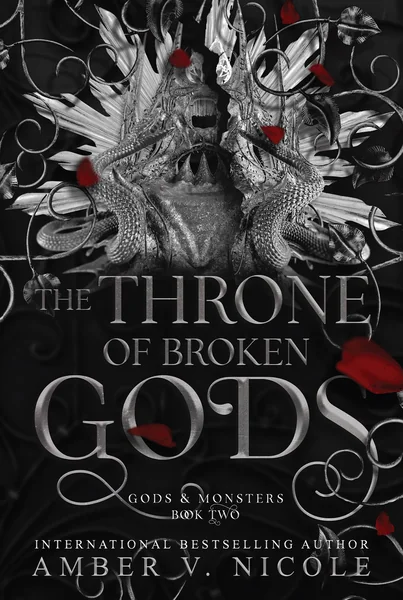
Amber V. Nicole
Best for: Devoted romantasy readers who are already invested in the Gods & Monsters saga and want a psychologically weighty, mythology-rich enemies-to-lovers continuation with genuine emotional stakes.
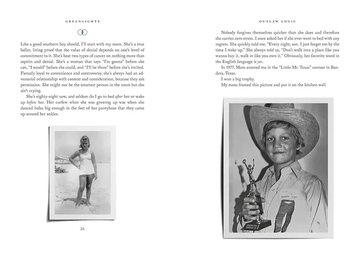
Matthew McConaughey
Best for: Readers drawn to celebrity memoirs with genuine philosophical backbone — particularly those who enjoy conversational, voice-driven nonfiction and are open to a hybrid of life story, diary excerpts, and aphoristic wisdom rather than a conventional career narrative.
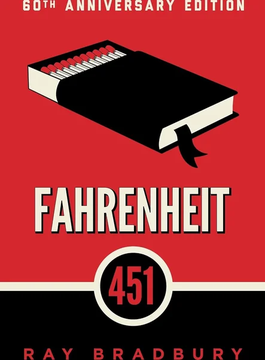
Ray Bradbury
Best for: Readers aged fifteen and up who want an authoritative, compact entry point into dystopian fiction — especially those drawn to the politics of censorship, intellectual freedom, and state control — and who are ready to engage with a novel that is as much a lyrical polemic as it is a narrative.
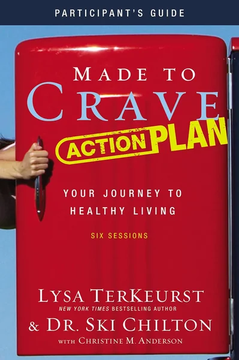
Lysa TerKeurst, Ski Chilton
Best for: Christian women engaged in a faith-based small group who have already completed the original Made to Crave study and want a structured, accountability-focused next step that blends biblical reflection with evidence-based nutritional guidance.
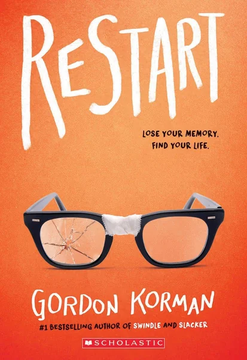
Gordon Korman
Best for: Middle-grade readers aged 10–12 — and their teachers or librarians — who want a character-driven story that tackles bullying and identity through multiple first-person perspectives, with enough emotional weight to fuel genuine classroom discussion.
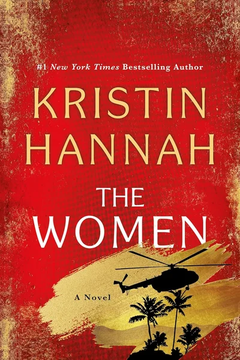
Kristin Hannah
Best for: Readers drawn to female-centered wartime historical fiction — particularly fans of Hannah's The Nightingale or The Four Winds — who want to encounter the long-overlooked story of U.S. Army nurses in the Vietnam War told with emotional seriousness and intimate character detail.
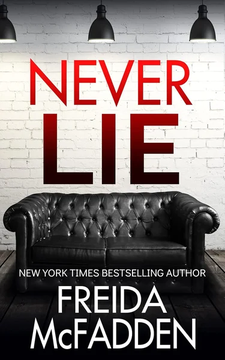
Freida McFadden
Best for: Readers new to Freida McFadden or the psychological thriller genre who want a fast-paced, self-contained standalone built around a high-concept snowbound premise and a climactic identity revelation.
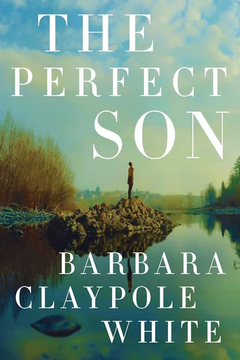
Barbara Claypole White
Best for: Readers of character-driven family fiction who want a deeply empathetic exploration of neurodiversity, parent-child estrangement, and the slow, hard work of a father dismantling his own defences — especially those who loved White's The Unfinished Garden and are looking for a rich, emotionally generous novel suited to book-club discussion.
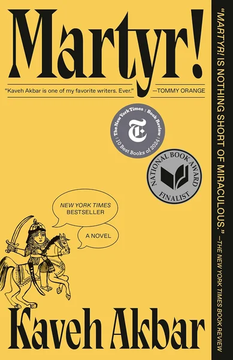
Kaveh Akbar
Best for: Readers of literary fiction drawn to voice-driven, deeply interior narratives about grief, addiction, and cultural inheritance — particularly those who appreciate prose shaped by a poet's precision and welcome big thematic ambitions grounded in specific, personal detail.
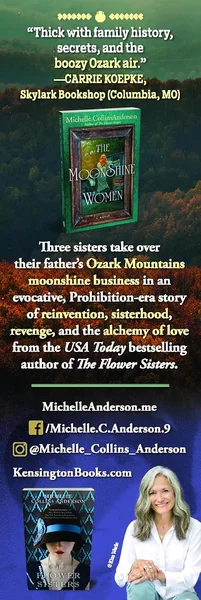
Michelle Collins Anderson
Best for: Readers who love women-led historical fiction steeped in American regional atmosphere — particularly those drawn to stories of sisterhood, survival, and family loyalty set against the Prohibition-era Ozarks and the gangster glamour of Hot Springs, Arkansas.
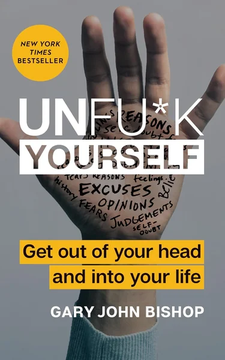
Gary John Bishop
Best for: Readers who have cycled through gentler self-help approaches — vision boards, affirmations, incremental habit-stacking — and want a blunt, structured framework that demands behavioral change rather than offering comfort.
