
8 min read
4.7
· 28,889 Amazon ratingsShare This Review

Our review
How Not to Die
How Not to Die: Revised and Updated by Michael Greger & Gene Stone Review: A Science-Backed Nutrition Classic, Refreshed
How Not to Die: Revised and Updated is a New York Times bestseller by physician Michael Greger, M.D. FACLM, and co-author Gene Stone, now available as an audiobook from Macmillan Audio narrated by Greger himself. The book makes the case that the fifteen leading causes of disease-related death are largely preventable through diet and lifestyle, marshalling peer-reviewed scientific evidence to identify the foods and habits designed to extend healthy life. This review is based on the book's content and published reception, not hands-on use.
LuvemBooks Verdict
Best for
Health-motivated readers who want a rigorous, peer-reviewed, disease-by-disease case for whole-food, plant-based eating — and are ready to commit to nearly nineteen hours of densely evidenced argument rather than a quick prescriptive plan.
Worth it if
You want a thoroughly researched, science-grounded foundation for rethinking your diet and are willing to engage with a structured, reference-style book that covers all fifteen leading causes of disease-related death plus a wide sweep of updated lifestyle topics.
Skip if
You're looking for a balanced survey of competing dietary philosophies, a light quick-start guide, or a shorter read — the book is unapologetically partisan toward one dietary framework and exhaustive in its depth.
What readers & critics say
Wikipedia confirms the original edition was a New York Times bestseller and that the book argues the health benefits of a whole-food, plant-based diet. Barnes & Noble surfaces endorsements from Dan Buettner (author of The Blue Zones Solution), who called it "absolutely the best book I've read on nutrition and diet," and from Dean Ornish, M.D., who described it as "extraordinary and empowering" — reflecting the strong reception the book has maintained among physicians and longevity researchers since its 2015 debut.
Sources: Wikipedia, Barnes & NobleAsk LuvemBooks
Was this helpful?
- Is it worth reading?
- For readers who want a rigorous, research-grounded foundation for dietary decision-making, How Not to Die: Revised and Updated delivers substantively — it is a New York Times bestseller with a decade of established readership and has now been expanded with new research on topics ranging from pandemic prevention to mental health and cancer screening. The disease-by-disease architecture makes a dense body of science concrete and navigable, and Greger's standing as a physician with no commercial sponsors or brand partnerships lends the work notable credibility. The key caveat is that the book argues strongly for one dietary framework — whole-food, plant-based eating — rather than presenting a balanced survey of competing nutrition perspectives, which is a feature for its intended audience but a friction point for readers expecting pluralism. Those seeking a lighter, more prescriptive approach may find the volume of scientific context more than they need.
- Who should read this?
- How Not to Die: Revised and Updated is designed for adults who want a rigorous, evidence-based foundation for dietary and lifestyle decision-making — particularly those motivated by preventing or managing chronic disease. It rewards readers who are comfortable with dense scientific context presented in a structured, reference-style format and who are open to the book's whole-food, plant-based point of view. It is especially well-suited to those who have already been curious about plant-based nutrition and want peer-reviewed justification rather than anecdote. Readers expecting a quick-start guide, a simple meal plan, or a balanced survey of competing dietary philosophies will likely find a mismatch with the book's ambition and depth.
- Similar books
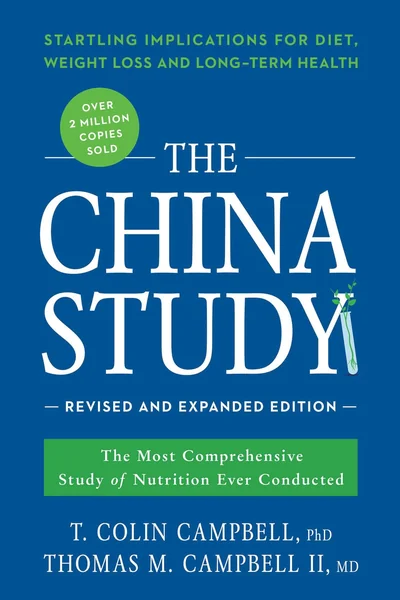
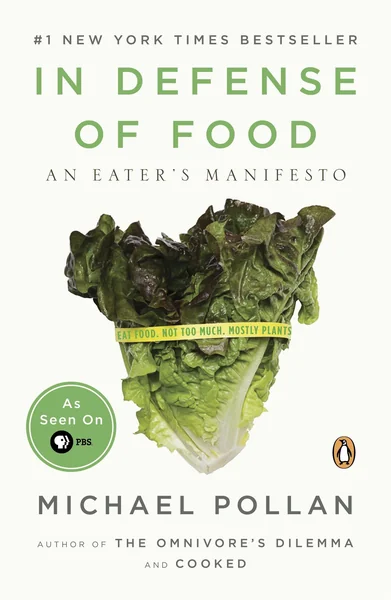
- Readers drawn to How Not to Die: Revised and Updated for its evidence-based case for plant-based eating and disease prevention will find strong company in Michael Pollan's In Defense of Food, which similarly challenges conventional nutrition wisdom with a research-informed argument, and T. Colin Campbell and Thomas M. Campbell II's The China Study, one of the foundational texts linking diet to chronic disease. For a more practical, plant-forward approach, How Not to Diet — Greger's follow-up focused specifically on weight loss — is a natural next read. Dean Ornish's work on reversing heart disease through lifestyle also shares the book's conviction that chronic illness is largely preventable. Those interested in the gut-health dimension of nutrition may find The Gut: The Inside Story of Our Body's Most Underrated Organ by Giulia Enders a complementary entry point.
- What are the main themes?
- The book's central theme is dietary empowerment: the idea that lifestyle and food choices — not genetic fate — are the primary drivers of whether individuals develop the fifteen leading causes of disease-related death. A second major theme is the democratization of science: Greger's stated mission, reflected in his donation of all book proceeds to charity and his work at the free nonprofit NutritionFacts.org, is to make peer-reviewed nutrition guidance widely accessible rather than commercially mediated. The revised edition broadens these themes to encompass mental health (depression and food), environmental health (air pollution, forest bathing), and pandemic preparedness (COVID-19), positioning diet and lifestyle as relevant to wellbeing far beyond the traditional chronic-disease categories.
- Is the author independent or does he have financial conflicts?
- The review highlights that Michael Greger's work is grounded in his nonprofit NutritionFacts.org, which operates without commercial sponsors or brand partnerships — a notable contrast to much of the nutrition advice ecosystem. Greger also donates 100 percent of the proceeds he receives from his books to charity, a fact his publisher highlights as context for his stated mission of making science-based nutrition guidance freely and widely available. These factors are relevant to readers assessing the independence of the book's recommendations.
- How is the audiobook experience?
- The audiobook edition of How Not to Die: Revised and Updated, released December 9, 2025 by Macmillan Audio, is narrated by Greger himself — a significant asset, as the book's persuasive force depends heavily on his direct, energetic voice and the authority of a physician presenting his own research synthesis. At nearly nineteen hours in its unabridged form, it demands sustained commitment and may feel exhaustive for casual listeners. For readers who engage well with long-form audio and want to absorb a dense, evidence-heavy argument at length, the combination of Greger's own narration and the updated content makes the audiobook a compelling format choice.
Summarize this book
Follow up
Synthesized from verified book data & published reviews · How we review
What would you like to know about How Not to Die?
Answers come from our editorial notes on this book. If we haven't covered something, we'll say so.
Readers often ask
Our Review
What the Book Is and What It Argues
Scope and New Material in the Revised Edition
Greger's Approach: Evidence, Structure, and Voice
Reception and Cultural Standing
Who This Book Is For — and Where It May Challenge Readers
Sources & Further Reading
The key facts and claims in this review are grounded in the retrieved, verified sources listed below.
- Cited in this review
- 1
us.macmillan.com
- 2
- Further reading
- 3
- 4
- 5
- 6
Age & Reading Level
Recommended age
Adult
Reading level
Adult
who it suits
Skip if You want a balanced survey of competing dietary philosophies rather than a deep, single-framework argument for whole-food, plant-based eating.
Reader reviews
Be one of the first readers to answer.
Read it? Was it right for you?
Books like How Not to Die
Curated picks for readers who enjoyed How Not to Die, with our reasoning for each match.
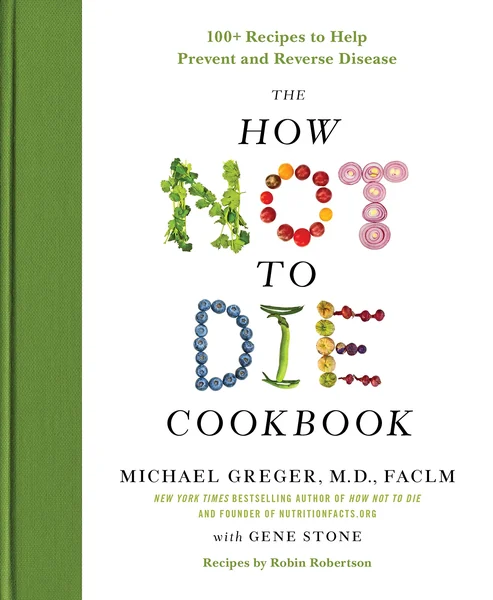
More by Michael Greger, Gene Stone
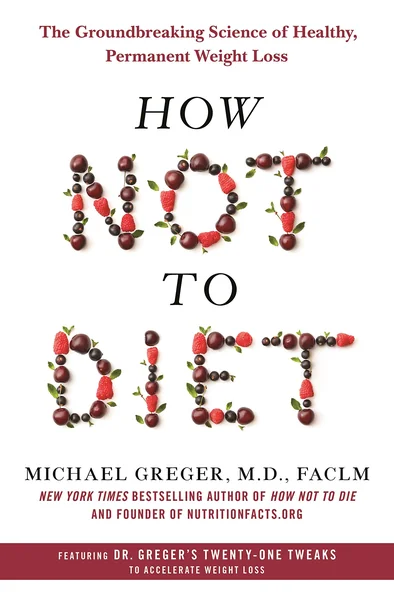
If you liked How Not to Die