Our reviews
1,017 books, each with who it's for, who should skip it, reading level and content notes, and every source we used.
409 reviews match
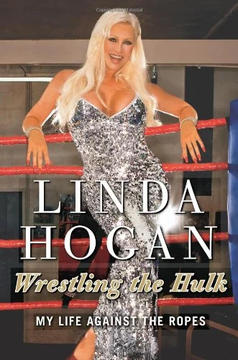
Linda Hogan
Best for: Readers curious about the private reality behind VH1's Hogan Knows Best — particularly those interested in accounts of women rebuilding identity after high-profile, difficult marriages — who want a perspective on the Hogan family's domestic life unavailable from any other source.
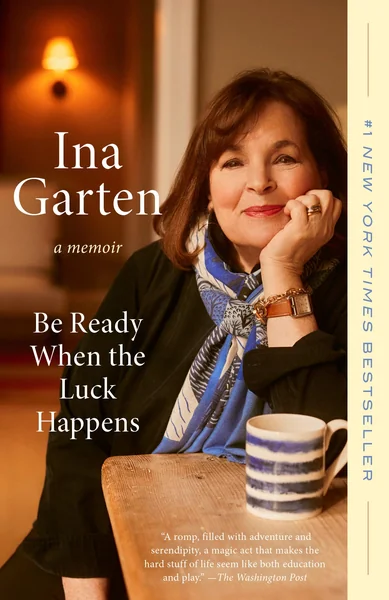
Ina Garten
Best for: Readers who love richly detailed narrative memoir and want to understand how Ina Garten built her career — from a cold Connecticut childhood and a White House desk job to the Barefoot Contessa empire — alongside a decades-long love story at its centre.
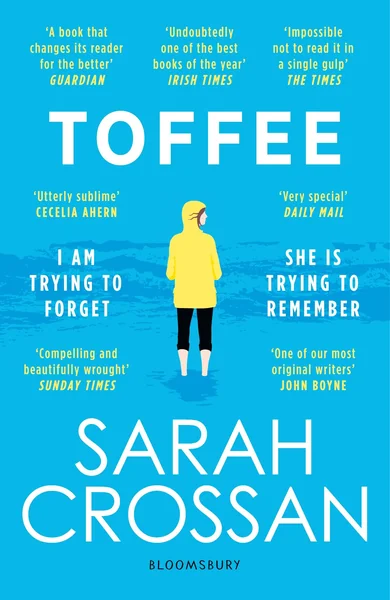
Sarah Crossan
Best for: Older teen readers (and adults) drawn to poetic, emotionally resonant storytelling who want to explore themes of domestic abuse, dementia, and the search for identity through a spare, award-winning verse novel.
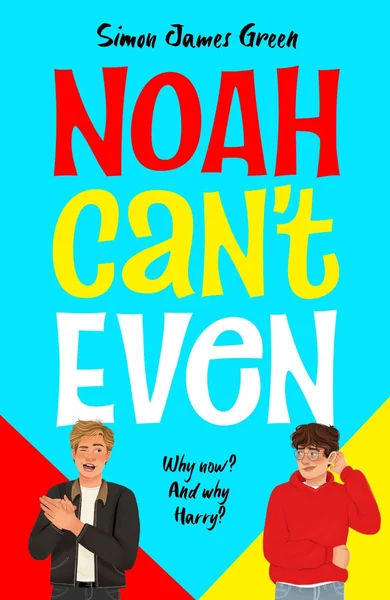
Simon James Green
Best for: Readers who want a loud, chaotic, laugh-out-loud YA comedy with genuine emotional stakes beneath the mayhem — particularly those who enjoy awkward, endearing British protagonists navigating identity, family chaos, and the horrors of adolescence.
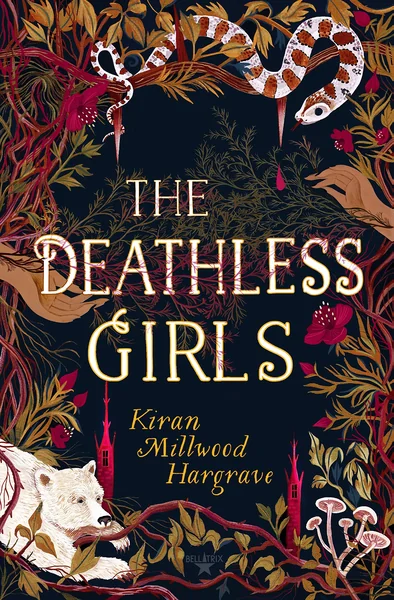
Kiran Millwood Hargrave
Best for: YA readers drawn to lyrical, gothic feminist fiction who want a character-driven origin story exploring sisterhood, Traveller identity, and a F/F romance — rather than a horror-forward vampire thriller.
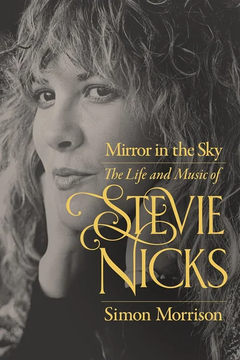
Simon Morrison
Best for: Readers who want a serious, musicologically grounded account of Stevie Nicks as songwriter and artist — particularly those already familiar with her catalogue and curious about its deeper roots in American folk, country, and California recording culture.
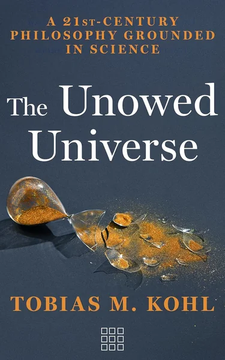
Tobias M. Kohl
Best for: Readers with existing grounding in both philosophy (particularly Kantian epistemology and philosophy of science) and the physical sciences who are drawn to ambitious, system-building works that treat empirical findings — especially from physics and biology — as genuinely shaping philosophical conclusions rather than as illustration.
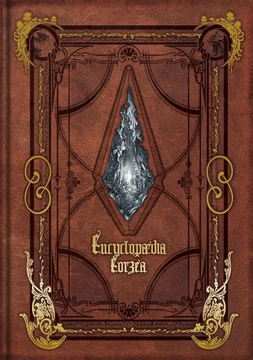
Square Enix
Best for: Final Fantasy XIV players and dedicated fans of the game who want a canonically authoritative, developer-written reference to Eorzea's history, geography, factions, professions, and creatures.
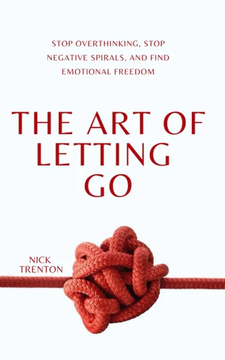
Nick Trenton
Best for: Readers who feel overwhelmed by chronic overthinking and anxious rumination and want a structured, technique-named self-help guide rooted in behavioral psychology rather than vague wellness inspiration.
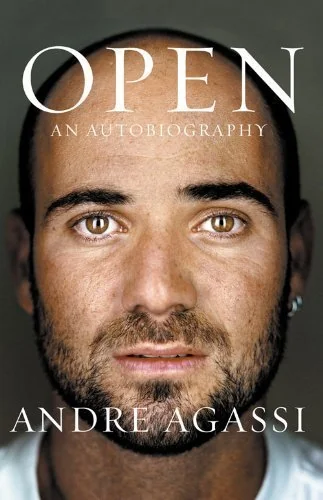
Andre Agassi
Best for: Readers drawn to confessional literary memoir — particularly those interested in identity, the psychology of prodigy, and the price of external pressure — who want a sports book that functions as something far richer and more unsettling than a victory lap.

Nancy Martin
Best for: Dedicated collectors of Nancy Martin's complete bibliography, librarians and archivists working on mid-century Macmillan titles, or researchers with a specific interest in early-1970s publishing and its treatment of female subjects.
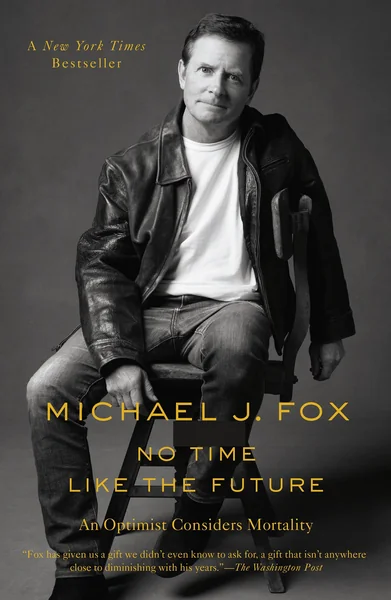
Michael J Fox
Best for: Readers navigating chronic illness, loss, or the weight of time who want an intimate, mortality-honest memoir from someone who has lived publicly with Parkinson's for three decades — and who still finds wonder in the journey.
Matthew Hild
Best for: Devoted Olivia Newton-John fans, students of 1970s–80s popular culture, and serious popular-music scholars who want a primary-source-grounded, full-life account that extends well beyond Grease and "Physical" into her advocacy and humanitarian legacy.
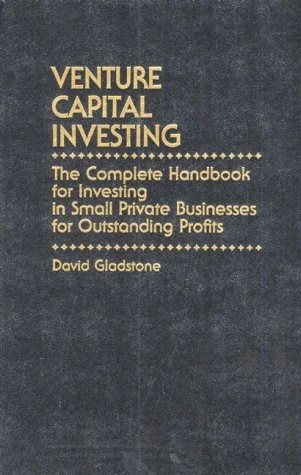
David Gladstone
Best for: Angel investors and early-stage VC professionals who want a structured, practitioner-built methodology for evaluating business proposals, assessing management teams, and making investment decisions — rather than a theoretical or founder-facing introduction to venture capital.
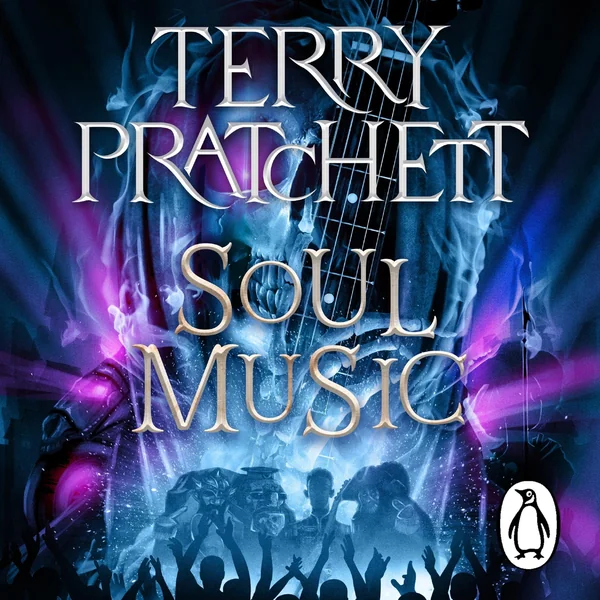
Terry Pratchett
Best for: Discworld fans — particularly those following the Death sub-series — who want a funny, emotionally resonant satire of rock-and-roll culture, and newcomers looking for an accessible entry point into Pratchett's world.
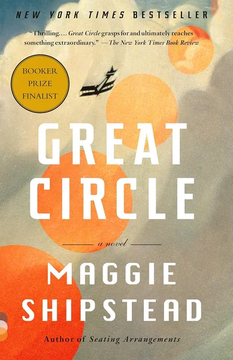
Maggie Shipstead
Best for: Readers who relish sweeping, research-rich biographical fiction about women who defied the limits of their era, and who are drawn to metafictional explorations of how history mythologises — and distorts — such women's legacies.
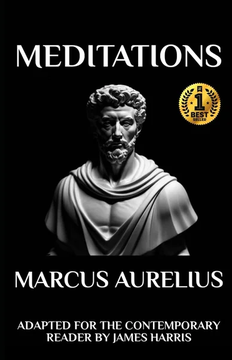
Marcus Aurelius
Best for: First-time readers of Marcus Aurelius who are drawn to Stoicism through contemporary self-improvement culture and want to engage with the Meditations without the friction of archaic translation language.

Sarah A. Parker
Best for: Romantasy readers who love sprawling, mythology-first world-building, slow-burn romance, and are happy to invest hundreds of pages in a richly constructed realm before the payoff arrives.

Raymond Wheeler
Best for: Historians and philosophers of psychology who want a primary-source, inside-view account of what Gestalt theorists understood themselves to be overturning — and why — written by one of the movement's most systematic advocates.
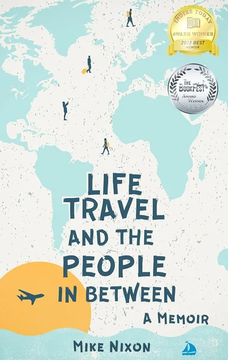
Mike Nixon
Best for: Readers who are drawn to travel narratives grounded in real human encounters — especially those from modest backgrounds who have wondered whether a meaningful life of adventure is genuinely available without money, connections, or a pre-existing bold personality.
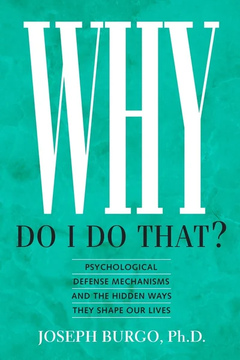
Joseph Burgo
Best for: Psychologically curious, self-motivated readers who have noticed unexplained patterns in their own behaviour and want a clinically grounded framework — more rigorous than typical self-help, but less demanding than formal therapy.
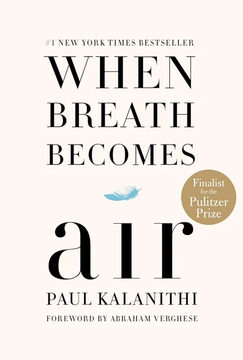
Paul Kalanithi
Best for: Anyone grappling seriously with mortality, the gap between ambition and time, or the meaning of parenthood under conditions of loss — particularly readers who want a memoir that brings genuine literary intelligence to medicine's most human questions.
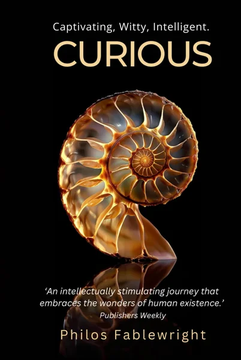
Philos Fablewright
Best for: Readers who want their fiction to carry genuine philosophical weight — those drawn to idea-driven, parable-like novels that use one character's unraveling as a lens for examining existence, technology, and humanity's future.
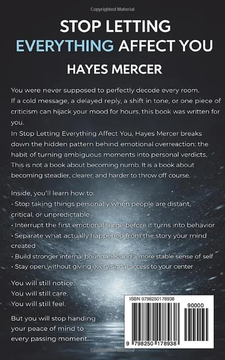
Hayes Mercer
Best for: Readers who repeatedly find themselves absorbing other people's behaviour — criticism, silence, mixed signals, rejection — and losing time, energy, and peace of mind to emotional overreaction, and who want a structured, scenario-specific intervention guide rather than broad motivational encouragement.
