8 min read
4.6
· 1,257 Amazon ratingsShare This Review
Why Do I Do That? by Joseph Burgo Ph.D. Review: A Clinically Grounded Self-Exploration Guide
Why Do I Do That? By Joseph Burgo Ph.D. Adapts the core strategies of psychodynamic psychotherapy into a structured self-help guide, using case studies and end-of-chapter exercises to help general readers recognize and work through the psychological defense mechanisms that shape their emotional lives and relationships — a substantive offering for anyone willing to engage honestly with the harder questions about their own behavior.
LuvemBooks Verdict
Best for
Psychologically curious, self-motivated readers who have noticed unexplained patterns in their own behaviour and want a clinically grounded framework — more rigorous than typical self-help, but less demanding than formal therapy.
Worth it if
You are willing to engage actively with the journal exercises and honest self-reflection the book demands, and want a plain-language introduction to psychodynamic thinking rooted in real case studies.
Skip if
You are looking for cognitive-behavioural, acceptance-based, or neuroscience-informed approaches, are already well-versed in psychoanalytic theory, or are navigating acute or severe mental health concerns that call for professional support rather than a self-guided text.
What readers & critics say
Publishers Weekly praised the book's case-study approach, noting that Burgo "identifies and cohesively presents ways in which negative behaviors can be thwarted through direct confrontation with triggers" and calling the end-of-chapter exercises "a valuable resource for readers." Sobrief.com synthesises reader responses as broadly positive — describing the book as "insightful, accessible, and thought-provoking" with clear explanations and practical exercises — while noting that some readers flagged the exclusively psychodynamic framework as a limitation.
“Burgo identifies and cohesively presents ways in which negative behaviors can be thwarted through direct confrontation with triggers.”
— Publishers Weekly“Exercises at the end of chapters apply techniques for recognising and defusing oppressive defenses in readers' own lives, creating a valuable resource.”
— Publishers WeeklyAsk LuvemBooks
Was this helpful?
- Is it worth reading?
- Why Do I Do That? is a substantive and well-constructed entry in the self-help genre for readers who want more than a checklist-driven quick fix. Critics described it as a "valuable resource" that "cohesively presents ways in which negative behaviors can be thwarted through direct confrontation with triggers" — praise that reflects the book's careful use of case studies and structured exercises. The honest caveat is that the very defense mechanisms Burgo addresses are designed to resist self-scrutiny, so the format demands genuine engagement from the reader. For self-motivated readers willing to do that work, the clinical grounding and participatory structure make it a meaningfully different offering from standard self-help fare.
- Similar books
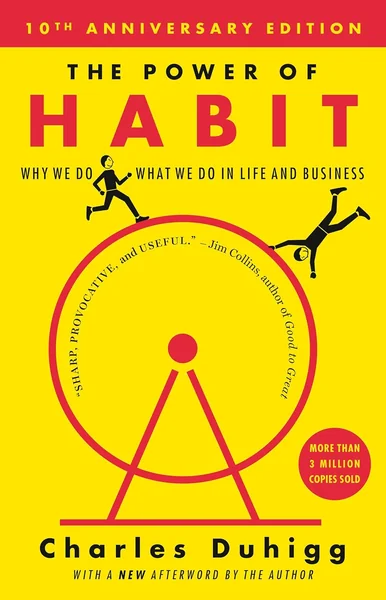
- Readers drawn to Why Do I Do That? will find natural companions in several titles curated below. Kristin Neff's Self-Compassion: The Proven Power of Being Kind to Yourself approaches self-understanding from a self-compassion and mindfulness angle, offering a gentler but equally practice-oriented counterpart. For a deeper look at the science of how emotions are constructed, Lisa Feldman Barrett's How Emotions Are Made: The Secret Life of the Brain provides a neuroscience-informed perspective that complements Burgo's psychodynamic lens. Charles Duhigg's The Power of Habit explores the mechanics of behavioral patterns from a social-science angle, while Robert Greene's The Laws of Human Nature takes a broader, more historical view of the hidden forces driving human behavior. Julius Spes' Liberation Psychology: 7 Steps To Self-Rejuvenation rounds out the list with another structured, step-based approach to psychological self-improvement.
- Who should read this?
- Why Do I Do That? is best suited to psychologically curious, self-motivated adults who have noticed patterns in their own behavior they cannot fully explain and want a framework more clinically substantial than standard self-help without committing to formal therapy. The case-study approach makes abstract concepts concrete, and the exercise-driven structure provides a method rather than just a narrative. Readers already versed in psychoanalytic theory at an academic level may find the explanations introductory; those in acute mental health crisis are better served by professional support. The sweet spot is the general reader genuinely drawn to the question the title poses.
- How does the psychodynamic approach compare to CBT?
- Burgo's book works exclusively within a psychodynamic framework, which focuses on the unconscious mind, deep-rooted defenses, and the emotional patterns formed through personal history. Cognitive-behavioral therapy (CBT), by contrast, tends to focus on identifying and restructuring conscious thought patterns in the present. The review notes this distinction as a real limitation: readers specifically seeking CBT, acceptance-based, or neuroscience-informed frameworks will find those approaches are not the book's focus, and will need to look elsewhere for that perspective.
- Can a book actually help you see your own defenses?
- This is the central structural tension the review highlights: defense mechanisms operate precisely to resist the kind of honest self-scrutiny the exercises require. The publisher synopsis itself flags that when defenses are "too deeply entrenched," they shape perception in ways that are difficult to see — meaning the very thing the book is trying to help readers overcome can interfere with their ability to engage with it honestly. Burgo's format acknowledges this challenge rather than dismissing it, but it does mean the book places significant responsibility on the reader's own willingness to push past that resistance.
- How does Burgo's personal history shape the book?
- Burgo began thirteen years of psychotherapy as a severely depressed college freshman — a personal history the review notes lends the book "a dimension of personal stakes that enriches its clinical perspective." The book's dedication, "To all my clients these many years," further signals that the material is drawn from decades of direct clinical work. Together, these elements give the book a credibility and groundedness that distinguish it from self-help written at more of a remove from the subject matter.
Summarize this book

Follow up
Synthesized from verified book data & published reviews · How we review
Press Enter to ask. Answers come from our editorial Q&A — start typing to see related questions.
Age & Reading Level
Recommended age
Adult
Reading level
Adult
who it suits
Skip if you're looking for a cognitive-behavioral, neuroscience-based, or multi-framework approach to understanding behavior and emotions.
Our Review

What the Book Actually Is and Does
Scope and Argument
Genuine Strengths
Limitations Worth Knowing
Who This Book Is For
Sources & Further Reading
The key facts and claims in this review are grounded in the retrieved, verified sources listed below.
- Cited in this review
- 1
- 2
- 3
- Further reading
- 4
afterpsychotherapy.com
- 5
josephburgo.com
- 6
- 7
- 8
- 9
Books like Why Do I Do That?
Curated picks for readers who enjoyed Why Do I Do That?, with our reasoning for each match.
If you liked Why Do I Do That?