7 min read
4.4
· 1,592 Amazon ratingsShare This Review

Our review
The Art of Letting Go by Nick Trenton Review: A Practical Guide to Quieting Overthinking
The Art of Letting Go: Stop Overthinking, Stop Negative Spirals, and Find Emotional Freedom (The Path to Calm) is a self-help guide by Nick Trenton, independently published in May 2023, that offers psychologically grounded strategies for breaking free from anxiety, rumination, and emotional spirals. This review covers the book's content, structure, and positioning based on published sources, not hands-on application.
 Tap to enlarge
LuvemBooks Verdict
Best for
Readers who feel overwhelmed by chronic overthinking and anxious rumination and want a structured, technique-named self-help guide rooted in behavioral psychology rather than vague wellness inspiration.
Worth it if
You want a practical, accessible roadmap of discrete psychological tools — brain dumping, self-distancing, externalization, and reframing perfectionism into "excellent-ism" — that translate behavioral psychology concepts into everyday language without requiring a clinical background.
Skip if
You're looking for academic rigor, formal citations, or clinical depth, or you're wary of independently published self-help titles that operate outside traditional editorial infrastructure.
What readers & critics say
Vocal Media describes the book as presenting "an actionable roadmap to emotional well-being" through practical strategies, psychological insights, and personal anecdotes. The Critical Thought Lab highlights Trenton's central thesis that much of our overthinking stems from trying to control what we simply cannot — framing the need for control as the core driver of anxiety and mental spirals.
Sources: Vocal Media, The Critical Thought LabAsk LuvemBooks
Was this helpful?
- Is it worth reading?
- For readers who feel trapped by mental noise and want structured, actionable guidance, The Art of Letting Go delivers a more organized experience than typical general-audience wellness titles, thanks to its named techniques with psychological roots. Trenton's translation of behavioral psychology concepts — brain dumping, self-distancing, externalization, excellent-ism — into plain language is identified as the book's primary strength for readers who have bounced off denser psychology texts. The trade-off is that readers seeking clinical depth or academic citation will likely find the accessible, technique-first format less rigorous than they require. Its value ultimately depends on individual application of its exercises.
- Similar books
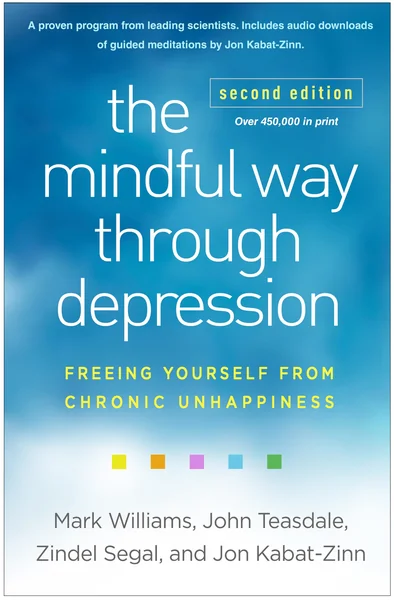
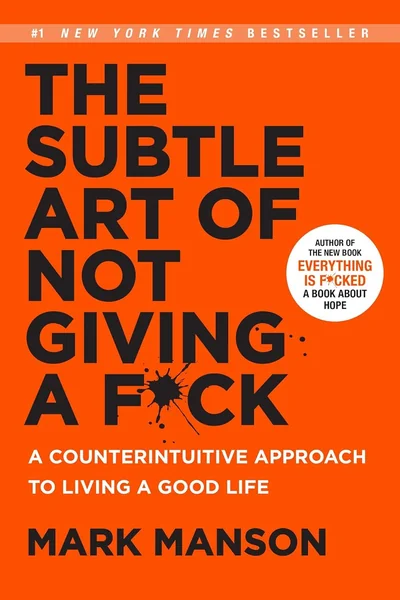
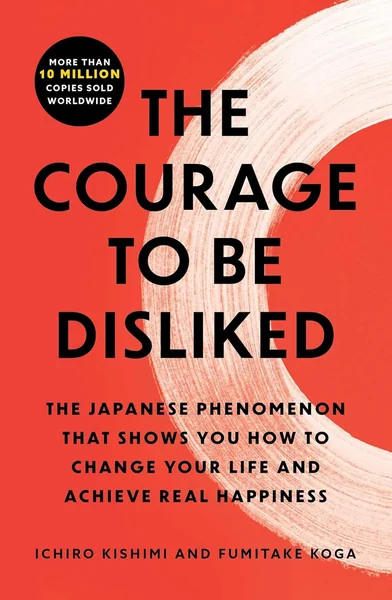
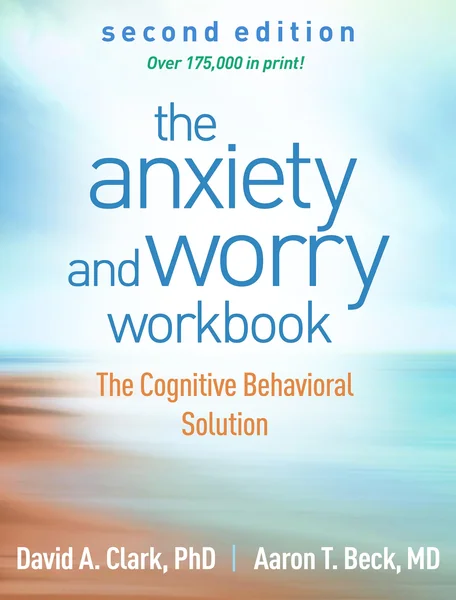
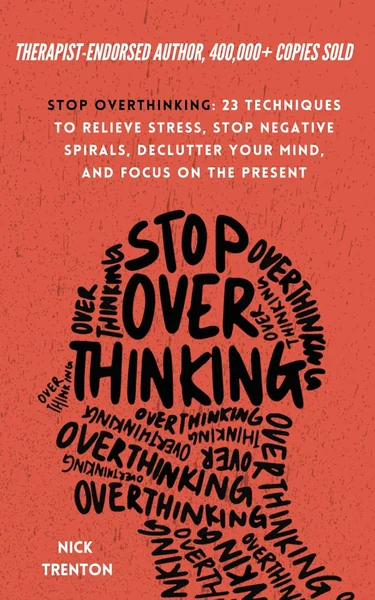
- Readers drawn to The Art of Letting Go will find natural companions in several related titles. Nick Trenton's own Stop Overthinking: 23 Techniques to Relieve Stress, Stop Negative Spirals covers adjacent territory with a technique-first structure. For a more clinically grounded workbook experience, The Anxiety and Worry Workbook: The Cognitive Behavioral Solution by David A. Clark and Aaron T. Beck applies Cognitive Behavioral principles directly. The Mindful Way through Depression by Mark Williams, John Teasdale, Zindel Segal, and Jon Kabat-Zinn offers a mindfulness-based framework for breaking negative thought cycles. For readers interested in the philosophical dimension of releasing others' opinions, The Courage to Be Disliked by Ichiro Kishimi and Fumitake Koga and The Subtle Art of Not Giving a F*ck by Mark Manson each approach emotional freedom from a different angle.
- Who should read this?
- The Art of Letting Go maps most naturally onto two overlapping audiences: readers seeking a structured roadmap to inner peace and relief from chronic anxiety, and those drawn to mindfulness and self-compassion as practical frameworks rather than abstract philosophy. It is also well suited to readers who have found denser psychology texts inaccessible, as Trenton's translation of behavioral psychology into named, discrete exercises is the book's defining approach. Those already deeply familiar with CBT or academic psychology may find the depth insufficient for their needs.
- About Nick Trenton
- Nick Trenton grew up in rural Illinois and describes himself as "a farm boy." He earned a BS in Economics before going on to become a prolific author, with titles such as Stop Overthinking and works focused on anxiety, self-regulation, and emotional well-being. He has authored over 30 books, emerging as a writer in the early 2020s.
- How does this compare to Stop Overthinking?
- Both The Art of Letting Go and Stop Overthinking: 23 Techniques to Relieve Stress, Stop Negative Spirals by Nick Trenton tackle the same core problem — escaping cycles of overthinking and negative spirals — and share the same accessible, technique-driven approach grounded in behavioral psychology. The Art of Letting Go places a stronger emphasis on emotional freedom and releasing accumulated baggage, and introduces specific concepts like the "drive for excellent-ism" as a reframe of perfectionism, while Stop Overthinking is structured explicitly around 23 discrete stress-relief techniques. Readers who respond well to one are likely to find value in the other, as they function as complementary volumes within The Path to Calm series.
- Does independent publishing affect quality?
- As an independently published title, The Art of Letting Go operates outside traditional editorial infrastructure — a factor some readers weigh when evaluating self-help guides. LuvemBooks notes this as a caveat rather than a definitive drawback: the book's content is grounded in Trenton's MA in Behavioral Psychology and organized around named techniques with psychological roots, which gives it more structural coherence than many independently published wellness titles. Readers who place significant weight on traditional publishing gatekeeping may factor this into their decision.
Summarize this book
Follow up
Synthesized from verified book data & published reviews · How we review
Press Enter to ask. Answers come from our editorial Q&A — start typing to see related questions.
Age & Reading Level
Recommended age
Adult
Reading level
Adult
who it suits
Skip if you're looking for clinically rigorous, academically cited psychology rather than accessible, technique-first self-help.
Our Review
What the Book Is and What It Sets Out to Do
Core Content and Structure
Author Perspective and Voice
Intended Audience and Scope
Considerations for Prospective Readers
Sources & Further Reading
The key facts and claims in this review are grounded in the retrieved, verified sources listed below.
- Cited in this review
- 1
- 2
- 3
- Further reading
- 4
- 5
- 6
Books like The Art of Letting Go
Curated picks for readers who enjoyed The Art of Letting Go, with our reasoning for each match.
If you liked The Art of Letting Go