Our reviews
1,017 books, each with who it's for, who should skip it, reading level and content notes, and every source we used.
1,017 reviews
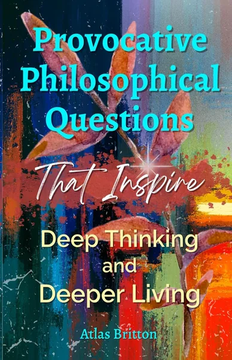
Atlas Britton
Best for: Curious readers who have long been drawn to life's big questions but have bounced off dense academic philosophy texts and want an accessible, dip-in-and-out entry point that works equally well for solo reflection or conversation.
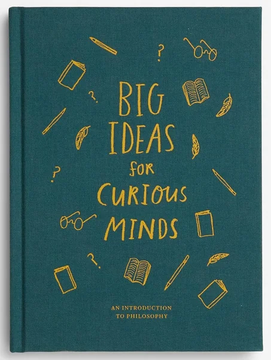
The School of Life
Best for: Children aged 9–12 — and their parents — who want a warm, conversational first encounter with philosophy as a guide to emotional intelligence and everyday decision-making, rather than as a formal academic discipline.
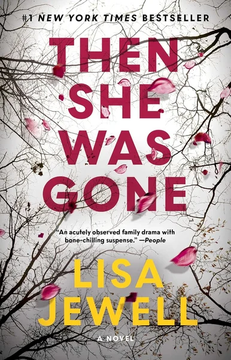
Lisa Jewell
Best for: Readers who love domestic psychological thrillers built around family rupture and grief, and who enjoy structurally inventive narratives with shifting timelines and multiple narrators — particularly fans of Jewell's earlier work like I Found You or readers drawn to Gone Girl–adjacent suspense.
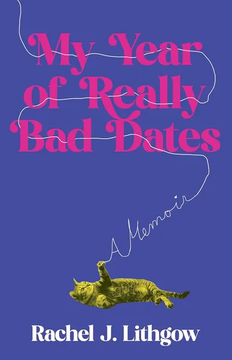
Rachel Lithgow
Best for: Midlife readers — particularly women navigating divorce, re-entry into dating, grief, or identity reinvention after 40 — who want those experiences rendered with honesty and wit rather than reassuring gloss.
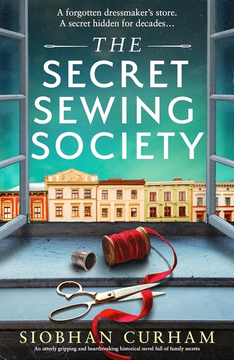
Siobhan Curham
Best for: Readers of emotionally driven multi-generational women's historical fiction — particularly fans of Evie Woods or Fiona Valpy — who want a propulsive family-mystery structure set against the deeply resonant backdrop of Ukraine across two wars.
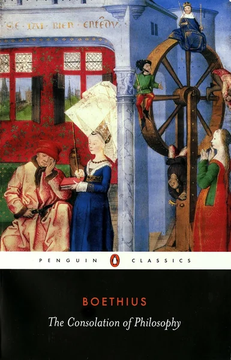
Ancius Boethius
Best for: General readers and students coming to Boethius for the first time who want an accessible, well-introduced entry point into one of the Western tradition's most consequential philosophical texts.
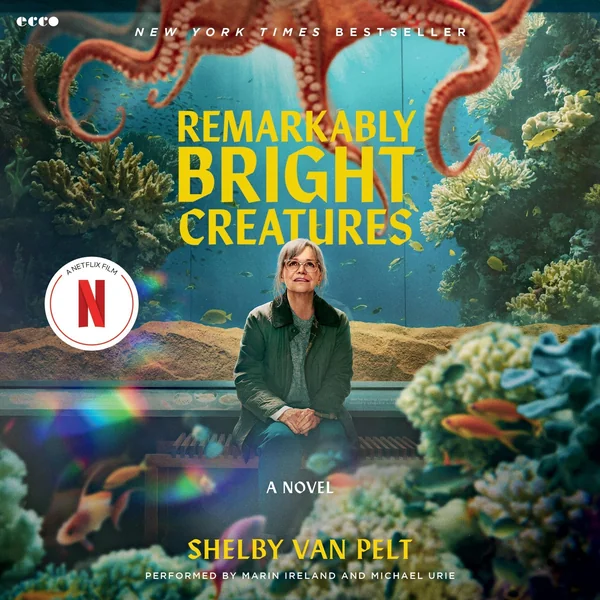
Shelby Van Pelt
Best for: Readers who prize emotional warmth over plot mechanics — particularly those drawn to multigenerational stories of grief and quiet reconnection, fans of Fredrik Backman's character-driven architecture, and anyone ready to embrace a sardonic octopus as a genuine narrative voice.
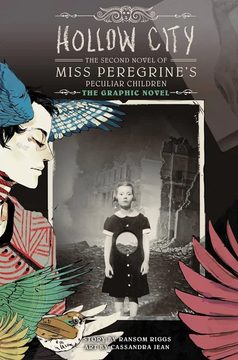
Ransom Riggs
Best for: Readers aged thirteen and up who have already experienced the first Miss Peregrine graphic novel and want a panel-by-panel visual continuation of Jacob and the peculiar children's story, with Cassandra Jean's illustrations bringing the WWII-era chase narrative to life.
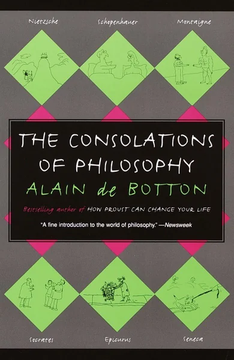
Alain De Botton
Best for: Readers with little or no background in philosophy who want a structured, lively, and historically grounded introduction to how thinkers like Epicurus, Montaigne, and Nietzsche might speak directly to everyday difficulties such as financial worry, self-doubt, or heartbreak.
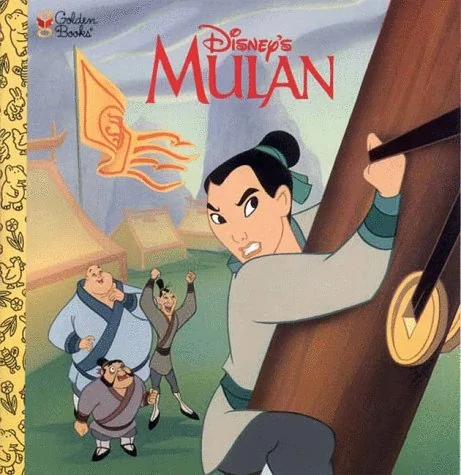
Katherine Poindexter
Best for: Young children aged 4–8 who love the Disney animated film and are ready to engage with Mulan's story independently or with a caregiver in a short, illustrated picture-book format.
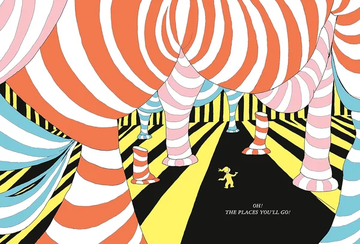
Dr. Seuss
Best for: Anyone seeking a time-tested, emotionally honest gift for a graduate — from kindergarten through college — who wants something that will resonate across life stages rather than a single reading occasion.
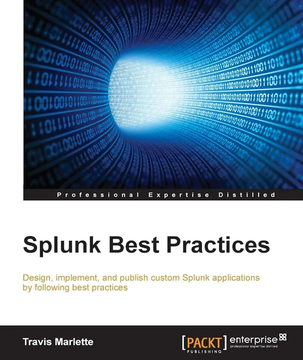
Travis Marlette
Best for: Working Splunk practitioners — admins, infosec engineers, or data engineers already fluent in the platform — who want to sharpen their approach to app development, data ingestion, and enterprise integration rather than learn Splunk from scratch.
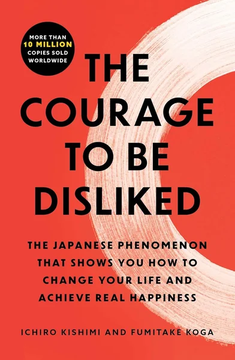
Ichiro Kishimi, Fumitake Koga
Best for: Readers who feel stuck in people-pleasing or approval-seeking patterns and are open to a philosophical, argument-driven introduction to Adlerian psychology rather than a clinical or workbook-style approach.
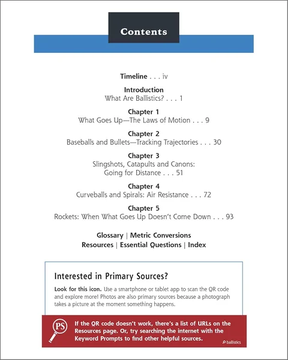
Matthew Brenden Wood
Best for: Middle-school students, educators building STEAM units, and homeschool parents who want a structured, activity-rich introduction to projectile physics anchored in sports and rocketry scenarios.
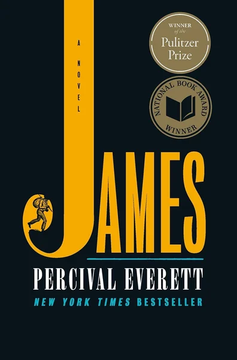
Percival Everett
Best for: Readers of literary fiction who relish novels that operate simultaneously as adventure, social critique, and philosophical inquiry — particularly those with some familiarity with Adventures of Huckleberry Finn who will appreciate the full force of Everett's structural and moral recontextualization.
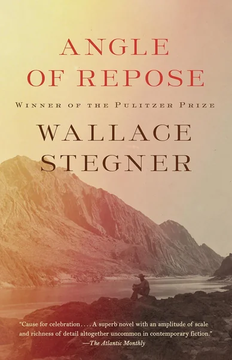
Wallace Stegner
Best for: Readers drawn to dual-timeline American literary fiction who want a sweeping, morally serious novel about Western expansion, marriage, and the way individuals construct meaning from history — and who are prepared to engage critically with the ethical controversy surrounding its source material.
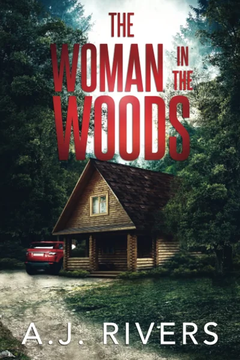
A.J. Rivers
Best for: Readers who enjoy character-driven PI thrillers built around a psychologically fragile protagonist — specifically those willing to invest in a long-running series where the hero's unreliable memory is the structural engine of every case, not just a backstory detail.
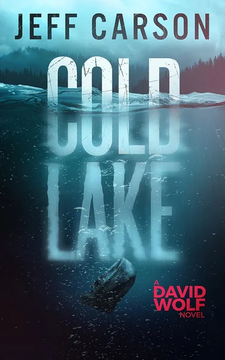
Jeff Carson
Best for: Readers already following the David Wolf series who want a thriller that deepens Wolf's character through a personal-legacy cold case set against Colorado's mountain-West landscape.
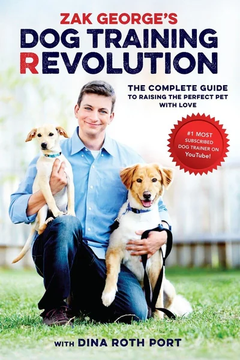
Zak George, Dina Roth Port
Best for: New or prospective dog owners who want a single, organised positive-reinforcement resource covering the full arc of dog ownership — from breed selection through housetraining, behavioural troubleshooting, and ongoing health care — and who are comfortable supplementing the text with linked YouTube videos.
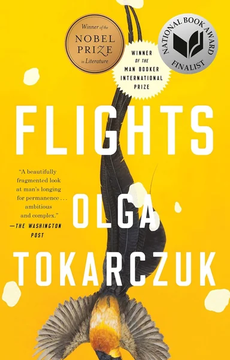
Olga Tokarczuk
Best for: Readers already at home with essayistic, fragmentary fiction — fans of W. G. Sebald, Milan Kundera, or Rachel Cusk's Outline trilogy — who want an intellectually wide-ranging, formally inventive work on travel, the body, and impermanence.
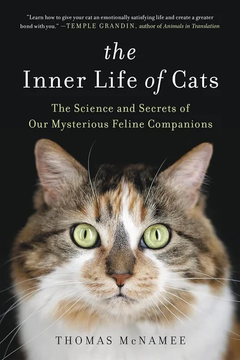
Thomas McNamee
Best for: Cat owners who sense there is more to their pets than popular mythology allows and want accessible, science-backed frameworks — grounded in real research — to better understand and improve their cats' lives.
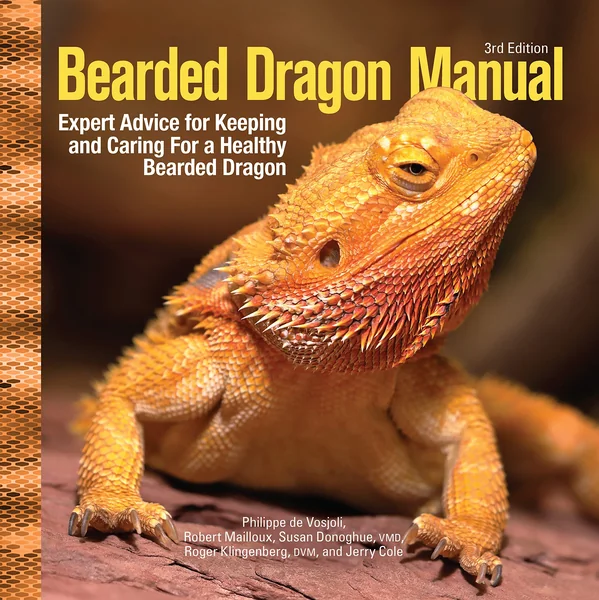
Philippe de Vosjoli, Robert Mailloux, Susan Donoghue, Roger Klingenberg, Jerry Cole
Best for: Bearded dragon owners — first-time or experienced — who want a thorough, expert-grounded reference covering enclosure setup, nutrition, breeding, and disease management rather than a brief introductory pamphlet.
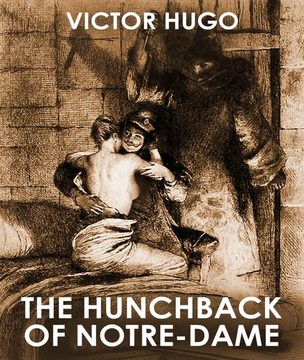
Victor Hugo
Best for: Readers who know Hugo primarily through film or stage adaptations and want to encounter the full, unabridged novel he actually wrote — complete with its architectural arguments, moral complexity, and tragic arc.
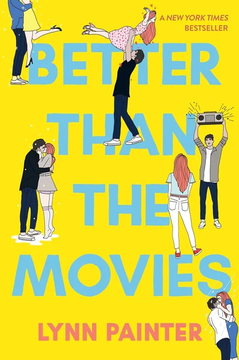
Lynn Painter
Best for: Romantic-comedy devotees — teens and adults alike — who want a high school romance that gleefully stacks every beloved trope (fake dating, enemies-to-lovers, the big misunderstanding) while also sneaking in a genuinely affecting grief subplot.
