Skip to content
Reviewed

Read Time

8 min read

Age & reading levelAdult
Reader rating
4.5 · 1,955 Amazon ratings
reader ratings, not a LuvemBooks score
Curated & edited by

LuvemBooks Editorial

How we create our reviews →
Share This Review
Front cover of Cozy Minimalist Home: More Style, Less Stuff

Our review

Cozy Minimalist Home: More Style, Less Stuff

Cozy Minimalist Home by Myquillyn Smith Review: Practical, Spiritually Grounded Decluttering Guide

Myquillyn Smith's Cozy Minimalist Home: More Style, Less Stuff is a home-design guide written for the hands-on woman who wants a beautiful, comfortable space without accumulating more than she needs — a practical, spiritually inflected answer to "clutter anxiety" that works room by room, one purposeful decision at a time.

Back cover with synopsis, author photo, and publisher information for a home decorating guide.Image from the Amazon listing for Cozy Minimalist Home: More Style, Less Stuff by Myquillyn SmithInterior spread showing cozy living room styling with text about decorating philosophy and personal design choices.Tap to enlarge
Adultfaith-based / Christian spiritual content throughout

LuvemBooks Verdict

Best for

The hands-on homeowner — particularly women who feel overwhelmed by their spaces or stuck in a cycle of buying without achieving the atmosphere they want — who is looking for a room-by-room, budget-conscious process with a philosophical anchor rather than a purely visual reference.

Worth it if

You want a guided, practical method for making fewer, more purposeful decorating decisions and are comfortable with — or actively welcome — spiritually informed, purpose-driven language woven into the design advice.

Skip if

You are seeking strictly secular home-design content or a visually driven coffee-table book to browse passively, rather than an active, step-by-step problem-solving guide.

Publishers Weekly commends Smith's use of humor, clever terminology, and personal anecdotes, noting that readers will find "interesting perspectives on decluttering" in her instructive guide, while also flagging the book's spiritually informed character. The Simplicity Habit cautions prospective readers that the book is not a how-to on becoming a minimalist but rather a guide to designing and decorating in a cozy minimalist way, and reports finding it a great read once expectations are properly set.

“Smith offers practical methods and temporary fixes to ease what she calls 'clutter anxiety,' employing humor, clever terminology, and personal anecdotes.”

— Publishers Weekly
Sources: Publishers Weekly, The Simplicity Habit
4.5from 1,955 Amazon ratings— reader ratings, not a LuvemBooks score

Preview the book

Front cover of Cozy Minimalist Home: More Style, Less Stuff
Back cover with synopsis, author photo, and publisher information for a home decorating guide.
Image from the Amazon listing for Cozy Minimalist Home: More Style, Less Stuff by Myquillyn Smith
Interior spread showing cozy living room styling with text about decorating philosophy and personal design choices.
Interior spread showing a minimalist kitchen with natural light and a decorative plant-filled bust, illustrating simplified home styling.
+7

Ask LuvemBooks

Was this helpful?

Cozy Minimalist Home: More Style, Less Stuff is Myquillyn Smith's room-by-room design guide built around the premise that a truly cozy home comes from fewer, more purposeful choices — not more accumulation — presented with humor, personal anecdotes, and practical workshop-style tools that Publishers Weekly commends for their accessibility. Best suited to hands-on, budget-conscious homeowners who want a guided, philosophical framework for reshaping their spaces, the book delivers concrete starting points over coffee-table eye candy. The most important filter: published by Zondervan and spiritually inflected throughout, it is a natural fit for readers open to faith-informed design philosophy and a potential mismatch for those seeking strictly secular content.
Is it worth reading?
For its intended audience — the hands-on homeowner who feels overwhelmed by her space and wants a guided, room-by-room process with a philosophical anchor — Cozy Minimalist Home delivers genuine value. Publishers Weekly commends Smith's humor, clever terminology, and personal anecdotes as assets that set the book apart from drier design manuals, and the workshop-like structure gives readers concrete tools rather than abstract inspiration. The key caveat is fit: readers who prefer strictly secular content will find the faith-inflected framing a meaningful mismatch, and those seeking a visually driven coffee-table reference will find the tone and structure better suited to active problem-solvers.
Similar books
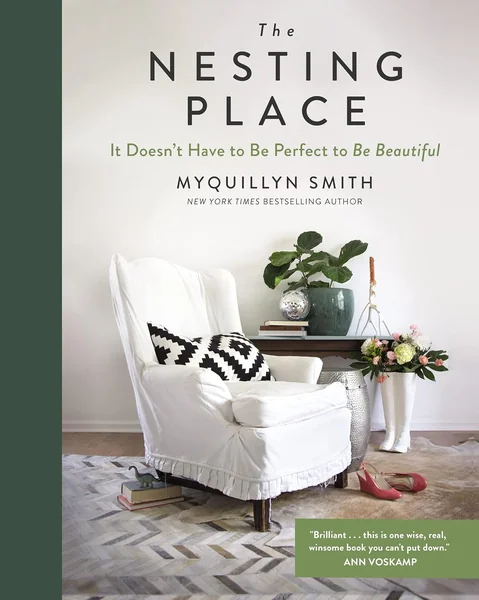
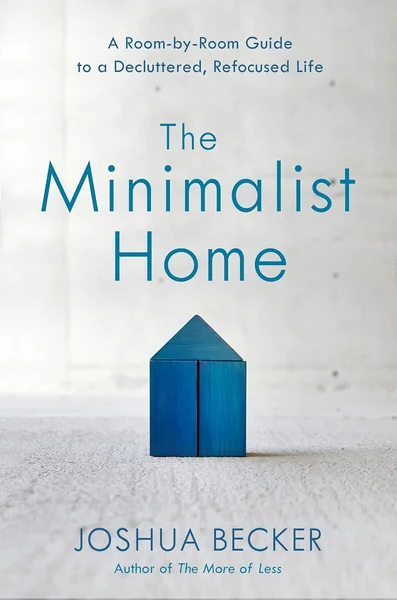
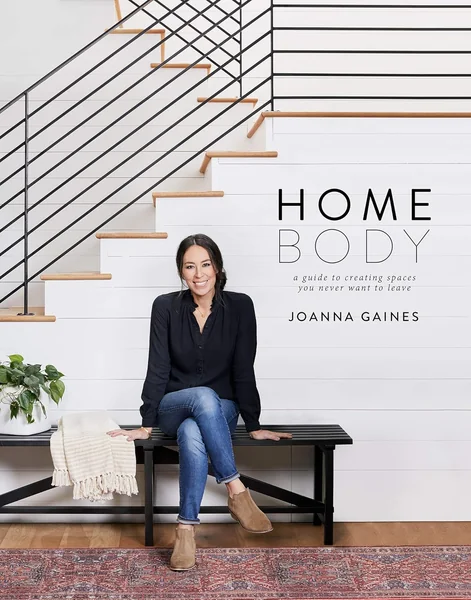
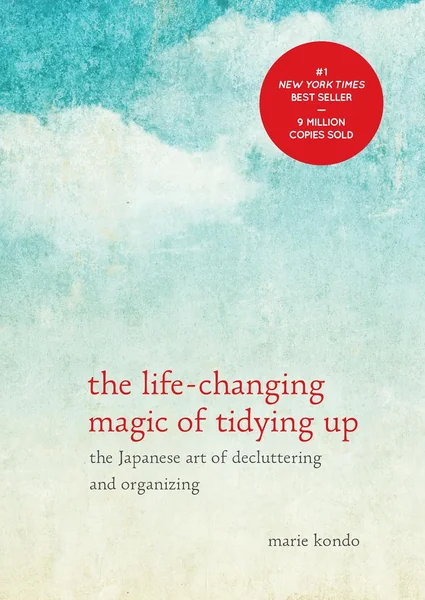
Readers drawn to Cozy Minimalist Home will find natural companions in the books curated below. Smith's own The Nesting Place: It Doesn't Have to Be Perfect to Be Beautiful shares the same warm, permission-giving philosophy and is the ideal starting point for new readers of her work. Joanna Gaines' Homebody: A Guide to Creating Spaces You Never Want to Leave and Melissa Michaels' The Inspired Room: Simple Ideas to Love the Home You Have occupy similar territory — practical, approachable home-design guides with an emphasis on comfort over perfection. For readers drawn specifically to the minimalism angle, Joshua Becker's The Minimalist Home: A Room-by-Room Guide to a Decluttered, Refocused Life offers a secular, equally structured counterpart. Liz Marie Galvan's Cozy White Cottage: 100 Ways to Love the Feeling of Being rounds out the cozy-home shelf with a strongly visual, cottage-style companion.
Who should read this?
Cozy Minimalist Home is written explicitly for the hands-on woman who would rather rearrange her own furniture than hire a designer — someone overwhelmed by her space, frustrated by style quizzes that never quite fit, or stuck in a cycle of buying without achieving the home she envisions. It works particularly well for budget-conscious readers who want style improvements without significant financial investment and for those open to a spiritually informed, purpose-driven approach to home design. Readers who prefer strictly secular content, or who are looking for a visually driven coffee-table reference rather than a step-by-step guide, are not its intended audience.
About Myquillyn Smith
Myquillyn Smith, known as "The Nester," is the New York Times and Wall Street Journal bestselling author of Welcome Home, Cozy Minimalist Home, and The Nesting Place. A writer, homebody, and self-described "contentment evangelist," she has spent over 15 years encouraging women to embrace their spaces — imperfections and all. She lives in North Carolina with her husband and three sons.
Where should I start with Myquillyn Smith?
For readers new to Myquillyn Smith, The Nesting Place: It Doesn't Have to Be Perfect to Be Beautiful is the natural starting point — it introduces her voice, her philosophy of embracing imperfect spaces, and the personal story behind "The Nester" brand. Cozy Minimalist Home works well as a follow-up, offering a more codified, room-by-room method built on the same foundation. LuvemBooks has reviewed The Nesting Place and it is available in the catalogue.
What are the main themes?
The central theme of Cozy Minimalist Home is intentional restraint as a path to genuine comfort — the argument that atmosphere matters more than accumulation, and that a truly cozy home results from fewer, more purposeful choices rather than more stuff. Smith also weaves in themes of contentment, purposeful living, and connection: she argues that a cozy minimalist home sets the stage for relationship and rest, making the book a lifestyle proposition as much as a decorating manual. The spiritually informed dimension — including the premise that the human desire to create reflects being "made by a creator" — runs throughout as a motivating undercurrent.
Summarize this book

Summarize this book

Cozy Minimalist Home: More Style, Less Stuff, published by Zondervan in October 2018, is Myquillyn Smith's follow-up to The Nesting Place. Smith, known online as "The Nester," argues that genuine coziness comes not from adding more décor but from making fewer, more purposeful choices — a mindset she calls the "cozy minimalist" approach. The book is organized room by room, opening each chapter with reflective questions like "What about this room draws me in? What ideas can I steal for my own use?" and building in creativity prompts and step-by-step starting points throughout. A spiritually informed dimension runs through the guide, including motivational passages such as the line Publishers Weekly flags: "We long to create because we were made by a creator."

Follow up

What is the 'cozy minimalist' method exactly?
What does she mean by 'clutter anxiety'?
Does the book require a big budget?

Synthesized from verified book data & published reviews · How we review

Ask LuvemBooks

What would you like to know about Cozy Minimalist Home: More Style, Less Stuff?

Answers come from our editorial notes on this book. If we haven't covered something, we'll say so.

Readers often ask

Our Review

We review the evidence: published critics, reader verdicts and BookTube reviews, gathered and weighed with AI assistance and edited by LuvemBooks, rather than one reader's first-hand take.

A room-by-room home-design guide grounded in the belief that atmosphere matters more than accumulation, Cozy Minimalist Home makes a compelling case that intentional restraint and genuine coziness are not opposites.

What the Book Is and What It Argues

Back cover with synopsis, author photo, and publisher information for a home decorating guide.
Published by Zondervan in October 2018, Cozy Minimalist Home: More Style, Less Stuff is Myquillyn Smith's follow-up to her earlier title The Nesting Place. Smith, widely known online as "The Nester," frames the book around a core premise: a truly cozy home is not the result of adding more décor, but of making fewer, more purposeful choices.
The method she develops — which she calls the "cozy minimalist" mindset — is designed to help readers achieve whatever style they love using the fewest possible items, on any budget. Rather than chasing trends or accumulating objects, Smith argues, homeowners should concentrate on the atmosphere they actually want and build toward it deliberately, one room at a time.

Structure and Approach

The book is written explicitly for the hands-on woman who would rather rearrange her own furniture than hire a designer, and its structure reflects that do-it-yourself orientation. According to Publishers Weekly, Smith organizes the material around practical methods and temporary fixes, beginning with foundational furniture decisions — knowing which pieces to start with and how to prioritize their placement — before layering in additional choices.
Chapters open with reflective questions designed to prompt readers to evaluate their existing spaces: "What about this room draws me in? What ideas can I steal for my own use?" Smith also builds in creativity prompts and step-by-step starting points throughout, giving the guide a workshop-like rhythm.
The spiritually informed dimension surfaces in motivational passages, including the line Publishers Weekly notes: "We long to create because we were made by a creator."
Interior spread showing cozy living room styling with text about decorating philosophy and personal design choices.

Strengths: Tone, Humor, and Accessibility

Publishers Weekly highlights Smith's use of humor, clever terminology, and personal anecdotes as key assets that distinguish the book from drier design manuals. The concept of "clutter anxiety" — her term for the paralysis that comes from owning more than one can meaningfully style — is both relatable and actionable, giving readers a precise name for a common problem and a framework for addressing it.
Smith's decade-long platform as "The Nester," during which her home has been featured in Better Homes & Gardens, Cottages & Bungalows, and Ladies' Home Journal, lends credibility to her voice; and her 2016 recognition by Christianity Today as one of the top twenty creatives signals a readership that extends across both design and faith communities. The book's explicit budget-consciousness — promising style gains without significant financial outlay — broadens its appeal beyond aspirational décor enthusiasts.

The Spiritual Register: Asset or Limitation

The book is published by Zondervan, a Christian publishing imprint, and carries a spiritually informed perspective throughout. Publishers Weekly notes this dimension directly, categorizing the work under Religion and flagging the inspirational sound bites woven into its chapters.
For readers who share Smith's faith orientation, this integration of purpose-driven language with practical design advice will read as cohesive and motivating. Readers who prefer strictly secular home-design content, however, may find the faith-inflected framing at odds with their expectations.
This is the most meaningful filtering factor prospective readers should weigh before purchasing.

Who This Book Is For

Cozy Minimalist Home is designed for readers who feel overwhelmed by their spaces, frustrated by style quizzes that never quite fit, or stuck in a cycle of buying without achieving the home they envision. Smith's stated goal goes beyond aesthetics: a cozy minimalist home, she argues, sets the stage for connection, relationship, and rest — making it a lifestyle proposition as much as a decorating manual.
Readers already comfortable with spare, editorial minimalism or those seeking a purely visual coffee-table reference will likely find the book's tone and structure better suited to an active, problem-solving reader than to a passive browser. For the hands-on homeowner who wants a guided, room-by-room process with a philosophical anchor, Publishers Weekly concludes that readers will find "interesting perspectives on decluttering" in Smith's instructive guide.

Sources & Further Reading

The key facts and claims in this review are grounded in the retrieved, verified sources listed below.

  1. Cited in this review
  2. 1
  3. 2
  4. 3
  5. Further reading
  6. 4
  7. 5
  8. 6
  9. 7

Age & Reading Level

Recommended age

Adult

Content to know about

faith-based / Christian spiritual content throughout

Skip if you're looking for a strictly secular home-design guide or a visually driven coffee-table reference.

From our readers

Reader reviews

Be one of the first readers to answer.

Read it? Was it right for you?

Books like Cozy Minimalist Home: More Style, Less Stuff

Curated picks for readers who enjoyed Cozy Minimalist Home: More Style, Less Stuff, with our reasoning for each match.