At a glance
LuvemBooks Verdict
Best for: Curious home cooks who want to understand the mechanics of why cooking techniques work — not just follow recipes — and are willing to invest time in a dense, encyclopedic reference built around everyday American dishes.
Worth it? Skip it? Read the full verdict →Ask LuvemBooks
Was this helpful?
- Is it worth reading?
- For the right reader, The Food Lab is exceptional — the New York Times Book Review called it "the one book you must have, no matter what you're planning to cook or where your skill level falls," and the Chicago Tribune declared it "2015's most indispensable cookbook." Its sweep of the James Beard Foundation Award for General Cooking alongside both IACP Cookbook of the Year and Best American Cookbook reflects an unusually broad institutional endorsement. The key caveat is scope: at 958 pages of explanatory depth, it demands a genuine investment of time and engagement. Readers who enjoy understanding exactly why a brine works differently from a dry rub, or what happens at a molecular level when a crust forms, will find that depth a feature rather than a burden.
- Who should read this?
- The Food Lab is best suited to curious, committed home cooks who want to understand the science behind what they do in the kitchen — not just follow instructions. Silvia Killingsworth described the book as channeling "the shameless geekery of hobbyists everywhere into inexpensive, everyday foods," which captures its ideal audience well: enthusiastic amateurs who enjoy knowing why a technique works, not just whether it does. Experienced home cooks looking for a lasting reference will also benefit, as Penny Pleasance noted its encyclopedic scope suits even advanced readers. Those who want a quick, prescriptive weeknight guide, or who cook primarily from global cuisines or baking traditions, are less well served.
- Similar books
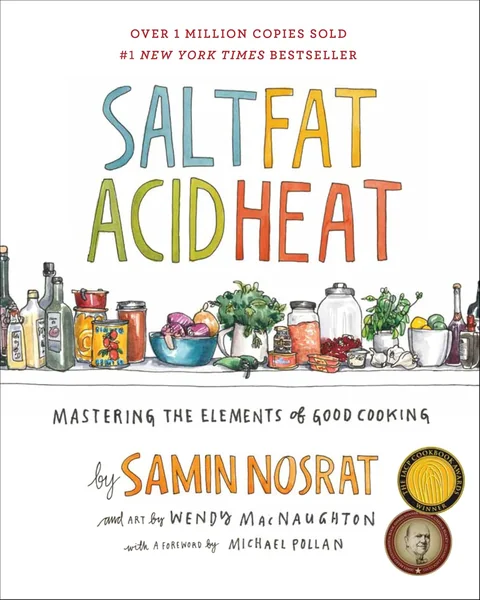
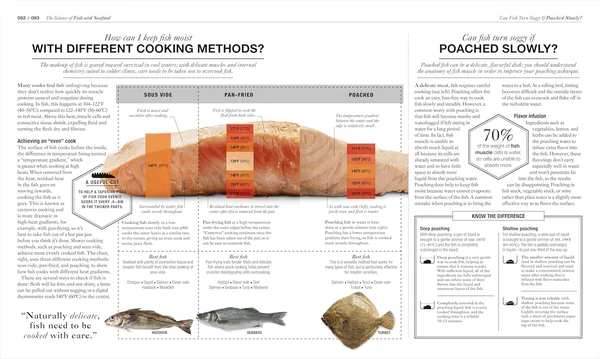
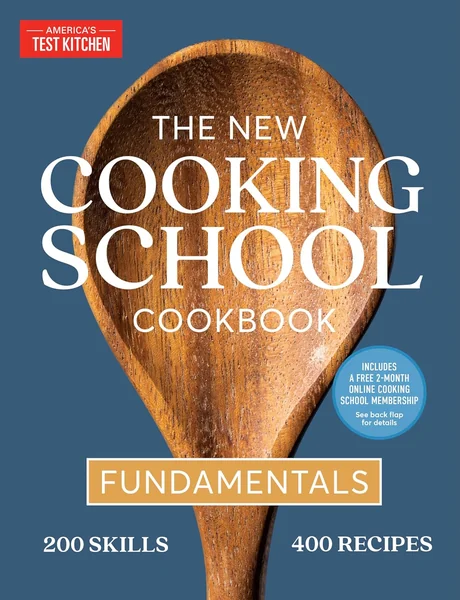
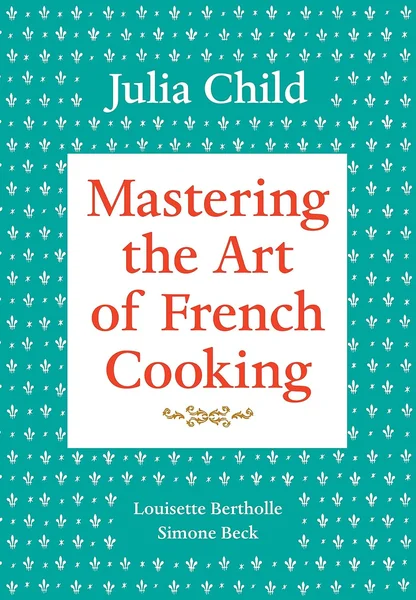
- Readers drawn to The Food Lab's science-meets-cooking approach will find a natural companion in The Science of Cooking: Every Question Answered to Perfect Your Cooking by Dr. Stuart Farrimond, which applies similar scientific inquiry to kitchen questions. Salt, Fat, Acid, Heat: Mastering the Elements of Good Cooking by Samin Nosrat takes a different but equally conceptual route, teaching cooking through four core principles rather than recipes alone. For technique-driven instruction with a more structured pedagogical approach, The New Cooking School Cookbook: Fundamentals by America's Test Kitchen is a strong complement. Mastering the Art of French Cooking, Volume 1 by Julia Child, Louisette Bertholle, and Simone Beck shares The Food Lab's ambition to explain the mechanics of cooking rigorously, while Cook This Book: Techniques That Teach by Molly Baz offers a more accessible, personality-driven take on technique-forward cooking.
- About J. Kenji López-Alt
- James Kenji López-Alt is an American chef and food writer.
- Has it won any awards?
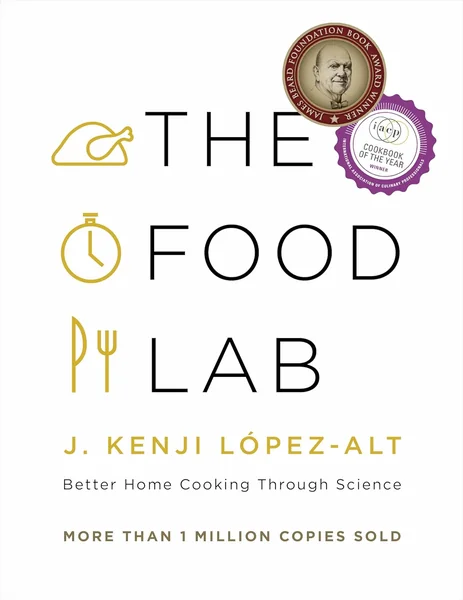
- The Food Lab accumulated an extraordinary sweep of the culinary world's top honors. It won the 2016 James Beard Foundation Award for General Cooking and took home both the IACP Cookbook of the Year and the IACP Best American Cookbook awards in the same year — a combination of prizes that the review describes as unusual even among celebrated cookbooks. It also charted on the New York Times Best Seller list and has sold over one million copies, with praise from the New York Times Book Review, the Chicago Tribune, the New Yorker, and the Globe and Mail.
- How science-heavy is it?
- The science content is substantive but designed to be practical rather than academic. The book incorporates charts and embedded experiments covering principles such as the difference between temperature and energy, emulsification, and the Leidenfrost effect, all grounded in what is physically happening inside a pan, oven, or pot of boiling water. Silvia Killingsworth noted that López-Alt channels geekery into "inexpensive, everyday foods," so the science serves accessible dishes rather than technical showpieces. Readers who want rigorous explanations of why brining works differently from dry-rubbing, or what happens at a molecular level when a crust forms, will find the depth rewarding.
Summarize this book
Follow up
Synthesized from verified book data & published reviews · How we review
Press Enter to ask. Answers come from our editorial Q&A — start typing to see related questions.
Age & Reading Level
Recommended age
Adult
Reading level
Adult
who it suits
Skip if you want a concise, quick-reference cookbook or guidance on global cuisines, baking, or pastry.
Editorial Review
J. Kenji López-Alt's The Food Lab is a James Beard Award-winning cookbook and New York Times bestseller that applies the scientific method to nearly 300 savory American recipes, explaining the underlying chemistry and physics of cooking so that home cooks understand not just what to do, but why it works.…
Read the Full ReviewBooks like The Food Lab
Curated picks for readers who enjoyed The Food Lab, with our reasoning for each match.
If you liked The Food Lab