7 min read
4.7
· 69 Amazon ratingsShare This Review
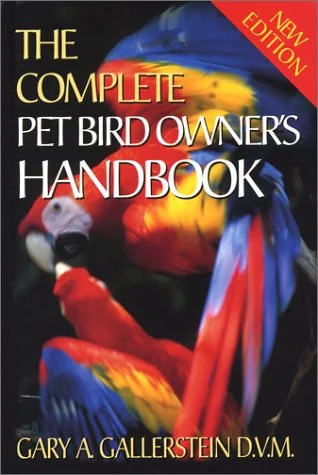
The Complete Pet Bird Owner's Handbook by Gary A. Gallerstein Review: A Veterinarian's Definitive Avian Health Reference
Gary A. Gallerstein, D.V.M., draws on his experience as a practicing veterinarian and owner of Acacia Animal Hospital in Escondido, California, to deliver a wide-ranging reference that spans bird selection, nutrition, behavior, emergency medical care, and preventative medicine. This review is based on published sources and the book's documented contents — not hands-on use.
LuvemBooks Verdict
Best for
Bird owners at any experience level — from first-time budgerigar buyers to seasoned aviculturists and veterinary professionals — who want a single, clinically authoritative reference covering everything from species selection and nutrition to home physicals and emergency medical care.
Worth it if
You want one comprehensive, veterinarian-authored volume that goes well beyond generic pet-care advice and equips you to monitor and manage your bird's health seriously between vet visits.
Skip if
You're looking primarily for a warm, lifestyle-oriented introduction to living with a bird — focused on training, bonding, or enrichment — or if graphic clinical photographs of sick, injured, and deceased birds would be distressing for you.
What readers & critics say
Publisher-hosted testimonials on avianpublications.com from named veterinary professionals describe the third edition as "a gem — packed with information and good insight" and commend its user-friendly organisation and currency in a rapidly growing field. A reviewer quoted on thriftbooks.com acknowledges the book's value for preventative health while noting that the author's primary focus "seems to be on diagnosing and dealing with the various ailments that afflict pet birds," and flags the presence of graphic clinical illustrations.
Sources: avianpublications.com, thriftbooks.comAsk LuvemBooks
Was this helpful?
- Is it worth reading?
- For owners who want to engage seriously with their birds' health, the handbook is one of the most comprehensive single-volume resources available — publisher-hosted testimonials from named veterinary professionals describe it as 'a gem — packed with information and good insight' and 'a must-have for bird owners.' The breadth of coverage, from species selection and nutrition to emergency medical care and preventative medicine, is difficult to match in a consumer-facing pet book. The key caveat is the book's clinical orientation: readers seeking depth on behavioral training, bonding, or enrichment will find that focus underserved, and the graphic photographic illustrations of sick and deceased birds from clinical settings may not suit sensitive readers.
- Similar books
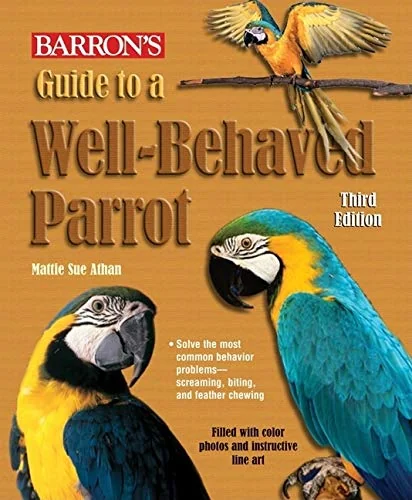
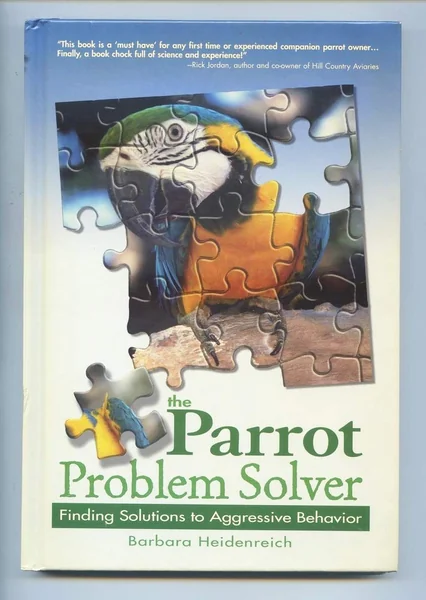
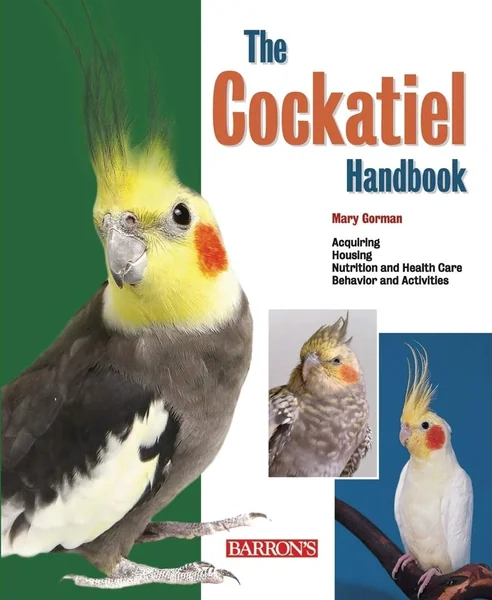
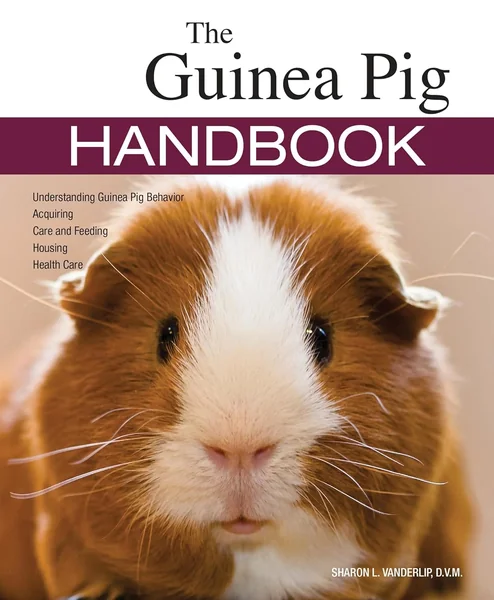
- Readers interested in parrot-specific behavioral guidance will find Guide to a Well-Behaved Parrot by MattieSue Athan and The Parrot Problem Solver by Barbara Heidenreich strong complements to Gallerstein's clinical focus. For those whose primary bird is a cockatiel, The Cockatiel Handbook by Mary Gorman offers a species-specific reference. LuvemBooks also curates pet care handbooks from the same publisher family: The Guinea Pig Handbook by Sharon Vanderlip D.V.M. provides a similarly veterinarian-authored approach for guinea pig owners, and The Hamster Handbook by Patricia Bartlett covers small mammal care in comparable detail.
- Who should read this?
- The handbook is designed for a wide spectrum: first-time bird owners navigating species selection and basic care, experienced aviculturists seeking current veterinary guidance, and veterinary professionals looking for a consolidated clinical reference. The avianpublications.com endorsement explicitly names 'bird owners, aviculturists and veterinarians' as the intended audience. Readers who want a single authoritative volume covering everything from choosing a budgerigar to managing a macaw's emergency medical situation will find the scope unmatched by most consumer-facing pet books. Those wanting only a beginner's overview or a training-focused manual should understand that this title's core identity is that of a thorough, medically detailed clinical handbook.
- Any content warnings?
- Yes — a Thriftbooks reviewer specifically notes that the book contains graphic photographic illustrations of sick, deformed, and deceased birds documented from clinical settings. This is consistent with the book's identity as a clinical veterinary handbook: the images serve a diagnostic and educational purpose, but sensitive readers — particularly those who find distressing animal imagery difficult — should be aware before purchasing. The clinical framing also means the book does not shy away from detailed descriptions of disease, injury, and medical procedures.
- Is it good for preventative bird care?
- Preventative care is one of the book's standout strengths. A reviewer quoted on the avianpublications.com source specifically praised the preventative focus — particularly its guidance on feeding practices, grooming, and cleanliness — as practically useful even for readers who may find the clinical sections demanding. The publisher confirms the book covers home physicals alongside emergency medical care, giving owners a structured framework for monitoring their birds' health between veterinary visits.
- Does it cover multiple bird species?
- Yes — the book's Google Books index reveals individual species entries covering budgerigars, cockatiels, African grey parrots, Amazon parrots, cockatoos, macaws, canaries, and finches. Each entry includes both health guidance and behavioral notes such as biting potential and cuddliness ratings, making the handbook useful for owners of a wide range of popular pet bird species rather than a single type.
Summarize this book
Follow up
Synthesized from verified book data & published reviews · How we review
Press Enter to ask. Answers come from our editorial Q&A — start typing to see related questions.
Age & Reading Level
Recommended age
Adult
Reading level
Adult
2 content notes · who it suits
Content to know about
Skip if you're looking for a behavioral training guide or a warm, lifestyle-oriented introduction to living with a pet bird.
Our Review
What the Book Actually Is
Its Significance in the Field
What It Does Well
Genuine Limitations to Consider
Who This Book Is For
Sources & Further Reading
The key facts and claims in this review are grounded in the retrieved, verified sources listed below.
- Cited in this review
- 1
- Further reading
- 2
- 3
- 4
- 5
avianpublications.com
- 6
- 7
Books like The Complete Pet Bird Owner's Handbook
Curated picks for readers who enjoyed The Complete Pet Bird Owner's Handbook, with our reasoning for each match.
If you liked The Complete Pet Bird Owner's Handbook