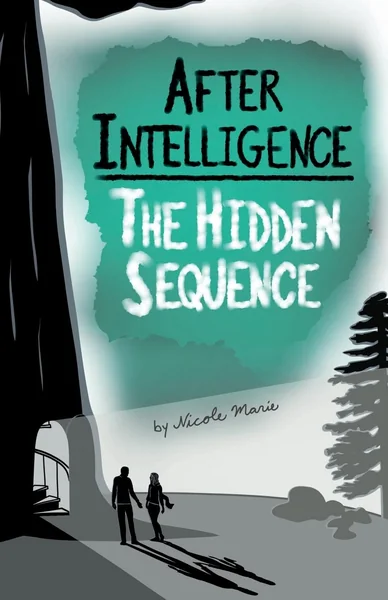
At a glance
LuvemBooks Verdict
Best for: Readers aged 14 and up who want YA science fiction with genuine ethical weight — specifically the question of android consciousness and institutional accountability — wrapped in a boarding-school whodunit.
Worth it? Skip it? Read the full verdict →Ask LuvemBooks
Was this helpful?
- Is it worth reading?
- For the right reader, yes — After Intelligence: The Hidden Sequence earns LuvemBooks' recommendation as a series opener worth finishing. Publishers Weekly credited Nicole Marie with credibly constructing Cognation Academy's curriculum and the webs of institutional deception surrounding it, and Kirkus Reviews singled out the novel's intellectual register as distinguishing it within the crowded boarding-school genre. The honest caveat is that the structural scaffolding — friendship drama, betrayal, romantic subplot — follows familiar YA genre templates, so readers hoping to be surprised by the shape of the story may find the framework predictable even as the specific content feels fresh.
- Similar books
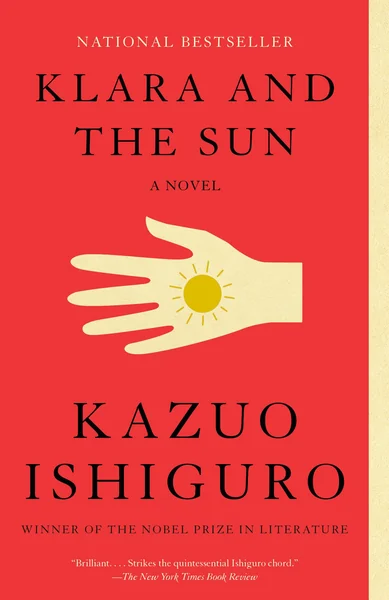
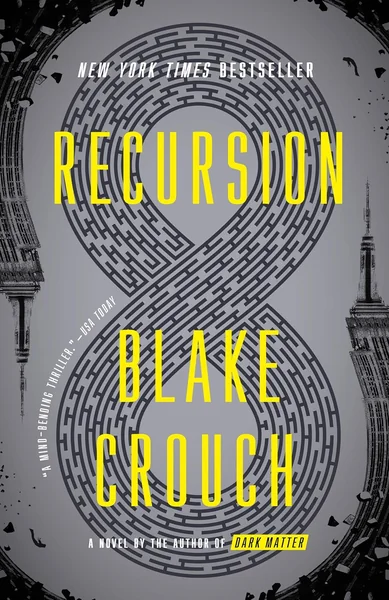
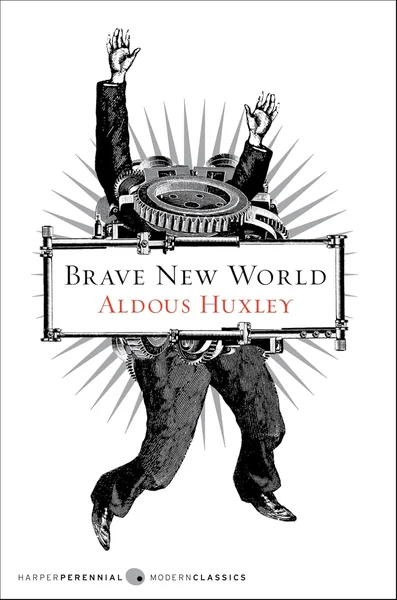
- Readers drawn to After Intelligence: The Hidden Sequence will find strong resonances across the curated titles below. Kazuo Ishiguro's Klara and the Sun is the closest thematic companion — it places an android narrator at the centre of a quiet but penetrating inquiry into artificial consciousness and what it means to be human, much as Charlotte's relationship with Isaac drives the novel's ethical core. For propulsive, high-concept science fiction that prizes ideas over action, Blake Crouch's Recursion and Dark Matter both deliver the kind of technology-grounded suspense that Marie's Academy mystery evokes. Aldous Huxley's Brave New World provides essential context for the novel's interrogation of institutional power over experimental science and the ethics of created life. Andy Weir's Project Hail Mary rounds out the list for readers who responded to the intellectual register Kirkus highlighted — Weir's novel similarly grounds its adventure in scientific problem-solving and carries genuine warmth alongside its big ideas.
- Who should read this?
- After Intelligence: The Hidden Sequence is best suited to readers aged 14 and up who are drawn to YA science fiction with an intellectual rather than purely action-driven register. The novel will particularly reward readers with an interest in AI ethics, institutional accountability, and the moral questions surrounding experimental technology — themes that Kirkus Reviews noted give the series a cutting-edge, idea-first identity. Readers who enjoy boarding-school mysteries and are comfortable with technology-heavy world-building will find the most to engage with; those who prefer self-contained stories or lighter genre entertainment may find the experience less satisfying.
- What age is it for?
- Best for ages 14 and up. Publishers Weekly explicitly recommended the novel for that minimum age, noting that its complex themes and explanations may deter younger readers within the YA category. The density of technological world-building and ethical argumentation — particularly around android consciousness, institutional deception, and the morality of experimental science — requires a reading level and patience beyond what younger YA readers are typically asked to bring.
- About Nicole Marie
- Nicole Marie is the author of After Intelligence: The Hidden Sequence, her debut novel. When not reading or writing, she enjoys exploring new places and taking long hikes with her husband, which often inspire her best ideas.
- What are the main themes?
- The novel's most distinctive quality, as the LuvemBooks review identifies, is the moral dimension layered over its whodunit plot. The central themes are android consciousness — specifically whether artificially created life deserves moral consideration — and institutional deception, as Charlotte and her friends discover that Cognation Academy itself may have been lying to them. Charlotte's closeness with her android match Isaac is not merely a plot engine; it becomes the vehicle through which the book asks where responsibility lies when experimental technology causes harm. Kirkus Reviews noted that these ideas give the series an intellectual seriousness closer to Arthur C. Clarke than to boarding-school escapism.
- Is it a good book club pick?
- After Intelligence: The Hidden Sequence offers strong discussion material for the right group. The central ethical questions — whether android life deserves moral consideration, and who bears responsibility when experimental technology harms people — are substantive and open-ended, giving a book club real territory to explore beyond plot summary. The institutional-deception storyline and Charlotte's evolving trust in Cognation Academy also raise questions about authority and accountability that resonate well beyond the YA setting. Groups should be aware, however, that the novel is the first of a trilogy, so some narrative threads will remain deliberately open.
Summarize this book
Follow up
Synthesized from verified book data & published reviews · How we review
Press Enter to ask. Answers come from our editorial Q&A — start typing to see related questions.
Age & Reading Level
Recommended age
Ages 14–18
Reading level
Young adult
3 content notes · who it suits
Content to know about
Best for: Ages 14+ — the density of technological world-building and ethical argumentation around android consciousness and institutional deception requires the reading stamina and comprehension Publishers Weekly associates with the older end of the YA range
Skip if you prefer self-contained stories with no familiar YA tropes and minimal technological world-building
Editorial Review
After Intelligence: The Hidden Sequence launches Nicole Marie's YA science fiction trilogy with a whodunit set inside Cognation Academy, where 15-year-old Charlotte Blythe and her friends must navigate android ethics, institutional deception, and a student-attack mystery — a high-energy debut that earned a positive notice from Publishers Weekly for its credibly constructed tech-school world, even as it leans on familiar genre tropes.
Read the Full ReviewBooks like After Intelligence
Curated picks for readers who enjoyed After Intelligence, with our reasoning for each match.
If you liked After Intelligence