Our reviews
1,017 books, each with who it's for, who should skip it, reading level and content notes, and every source we used.
154 reviews match
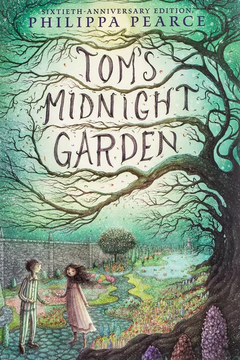
Philippa Pearce
Best for: Children aged eight to twelve — and the adults and educators who share books with them — who are drawn to emotionally precise, atmospherically rich fantasy and have the patience for a mystery that unfolds through accumulation rather than action.
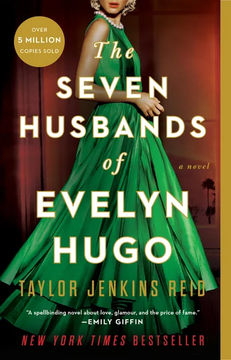
Taylor Jenkins Reid
Best for: Readers who love morally complex, plot-driven historical fiction with LGBTQ+ themes and a glamorous Old Hollywood setting — particularly those who enjoy compulsive, binge-worthy narratives built around a charismatic, deeply secretive protagonist.
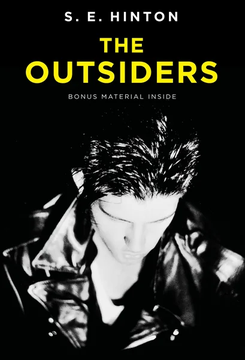
S. E. Hinton
Best for: Middle- and high-school readers — and adults revisiting their school years — who want a short, emotionally honest coming-of-age story about class, loyalty, and identity that still feels urgent decades after it was written.
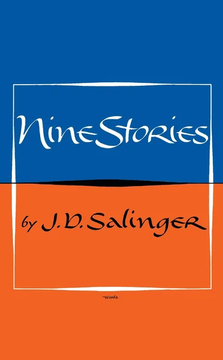
J. D. Salinger
Best for: Readers with a taste for precise, emotionally charged short fiction who are willing to sit with ambiguity — especially those tracing the arc of Salinger's work or approaching the Glass family for the first time.
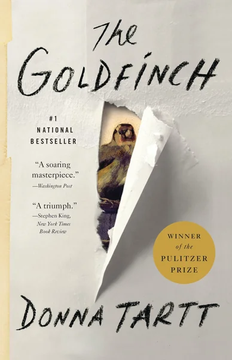
Donna Tartt
Best for: Readers drawn to large-canvas, nineteenth-century-style literary fiction who want a novel that weaves art history, grief, friendship, and moral ambiguity across an expansive, immersively plotted narrative.
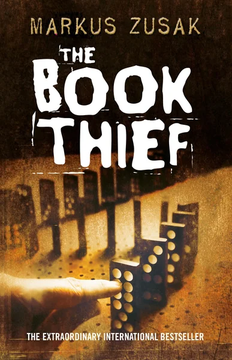
Markus Zusak
Best for: Readers — teen or adult — who want a WWII story told from an unusual, philosophically rich vantage point and are prepared for a deliberately paced, emotionally demanding novel that argues for the redemptive power of words as much as it documents the horrors of war.
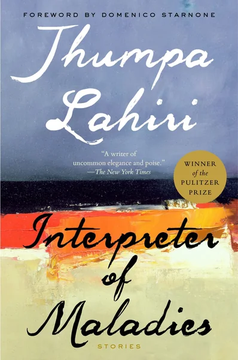
Jhumpa Lahiri
Best for: Readers drawn to psychologically precise literary short fiction who want to understand the inner life of displacement — particularly the experience of Indian and Indian American immigrants navigating cultural identity, grief, and belonging.
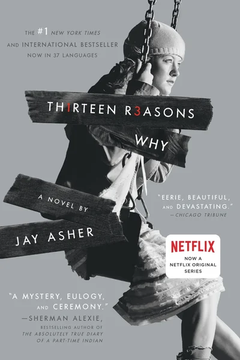
Jay Asher
Best for: Teenage readers and educators looking for a structurally inventive, conversation-starting novel about the ripple effects of social cruelty, bullying, and indifference on a young person's life — best approached with a discussion framework in place.
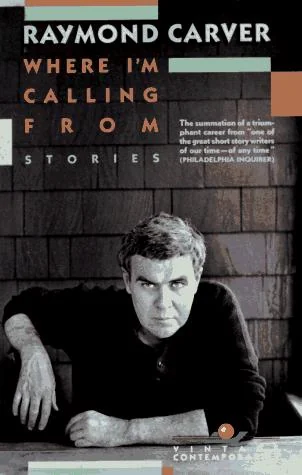
Raymond Carver
Best for: Readers drawn to literary short fiction who value emotional texture, precise prose, and the unspoken — particularly those exploring the American minimalist tradition or seeking a foundational Carver text for the first time.
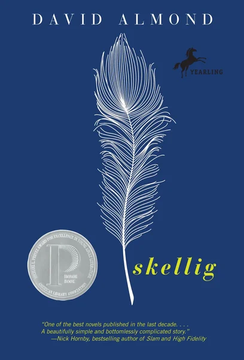
David Almond
Best for: Readers aged nine to twelve — and adults who read widely in children's literature — who are drawn to stories that sit at the boundary of the natural and supernatural, particularly those comfortable with open-ended narratives, thematic depth around childhood fear and sibling illness, and the Romantic poetry of William Blake.
