8 min read
Share This Review
Legion
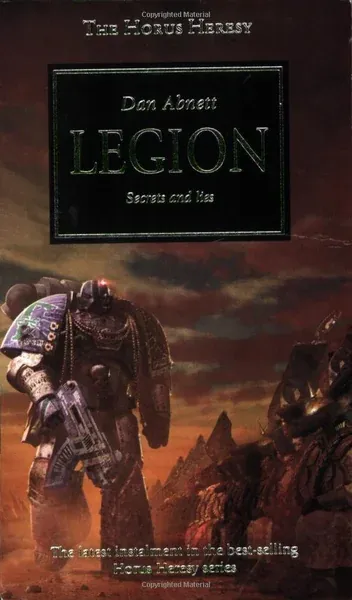
Legion (The Horus Heresy, Book 7) by Dan Abnett Review: A Masterclass in Mystery and Misdirection
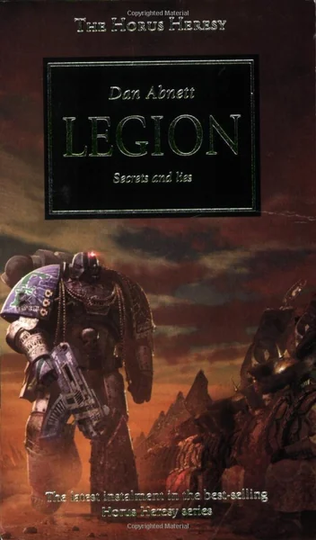
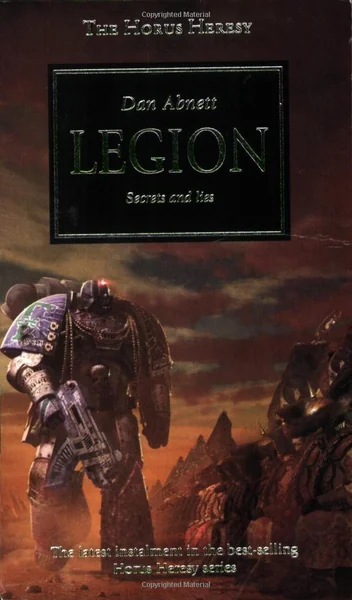
Legion is the seventh entry in Black Library's Horus Heresy series, written by Dan Abnett, and centres on the enigmatic Alpha Legion and their primarch Alpharius Omegon as a shadowy organisation called the Cabal attempts to sway the Legion's allegiance before the galaxy-spanning civil war erupts. It stands as one of the series' most distinctive instalments, built around deliberate ambiguity rather than straightforward heroics.
LuvemBooks Verdict
Best for
Horus Heresy series readers — especially those who have completed the opening trilogy — who want the most structurally inventive entry in the series and are drawn to mystery-driven military SF built around unreliable perspective and institutional secrecy.
Worth it if
Worth reading if you are already invested in the Horus Heresy series and want a novel that subverts expectations by building genuine dread and fascination around the Alpha Legion through mortal, outsider viewpoint characters rather than the usual Legion-centric deep dive.
Skip if
Skip it if you are new to the Horus Heresy and expect an action-forward, primarch-centred narrative in the mould of earlier volumes — the structural inversions and withheld Alpha Legion perspective only pay off fully for readers who already understand the series' established formula.
What readers & critics say
Driftlessareareview.com frames Legion as a franchise-reviving effort following the underwhelming previous instalment, crediting Abnett's prolific versatility with restoring momentum to the series and noting his deliberate subversion of the "legion-primarch trope." Bitsandpieces.games echoes this, observing that the decision to keep the Alpha Legion at arm's length — which initially reads as a withholding — ultimately rewards readers.
Sources: Driftless Area Review, Bits and Pieces GamesThe Horus Heresy reading order
Book 7 of 64 books
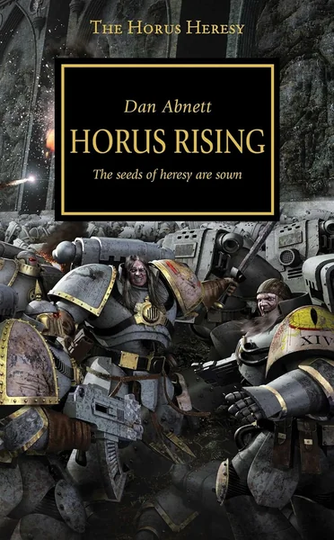
- Horus Rising2006
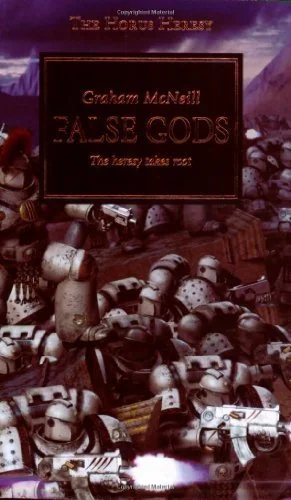
- False Gods2006
- Galaxy in Flames2006
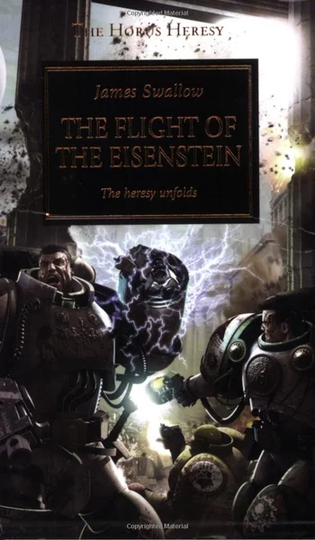
- The Flight of the Eisenstein2007
- Fulgrim2007
- Descent of Angels2007
- LegionThis book
- Battle for the Abyss2008
- Mechanicum2008
- Tales of Heresy2009
- Fallen Angels2009
- A Thousand Sons2010
- Nemesis2010
- The First Heretic2010
- Prospero Burns2010
- Age of Darkness2011
- The Outcast Dead2011
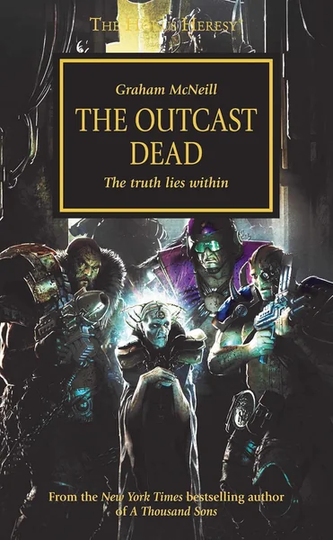
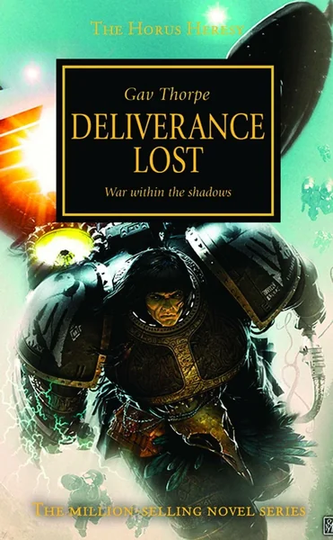
- Deliverance Lost2012
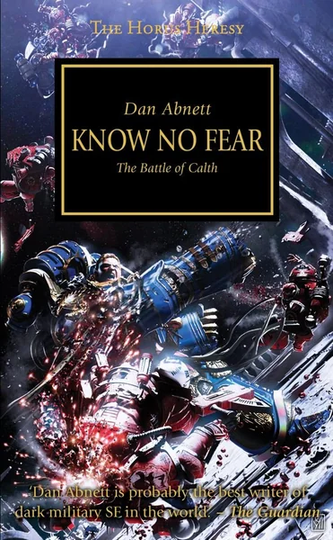
- Know No Fear2012
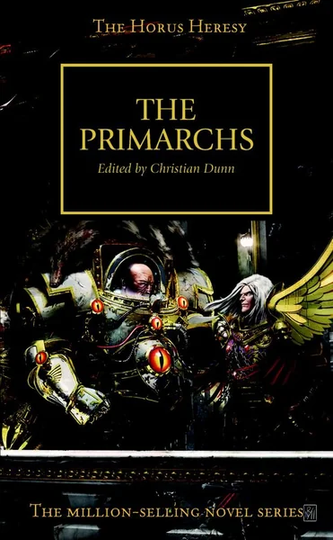
- The Primarchs2012
- Fear to Tread2012
- Shadows of Treachery2012
- Angel Exterminatus2012
- Betrayer2012
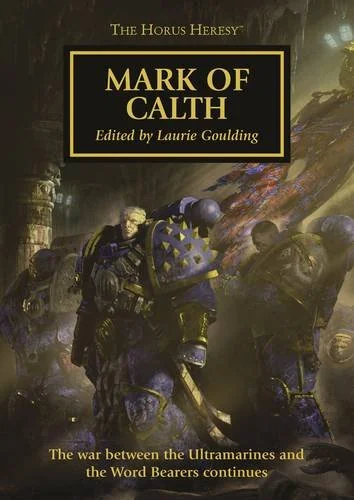
- Mark of Calth2013
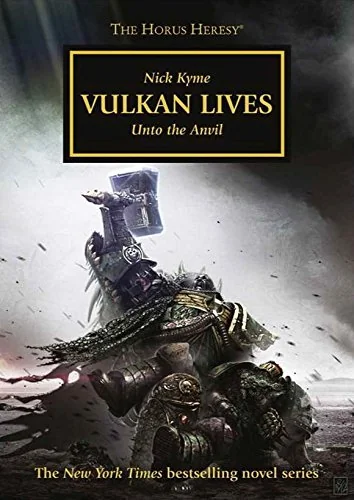
- Vulkan Lives2013
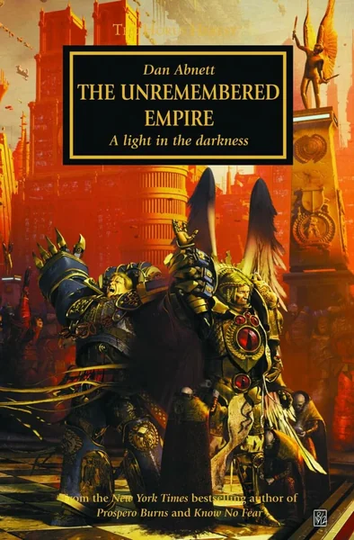
- The Unremembered Empire2013
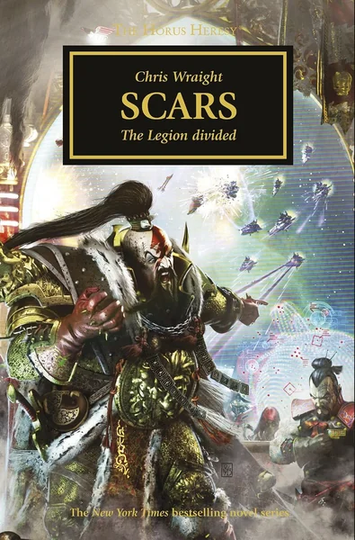
- Scars2014
- Vengeful Spirit2014
- The Damnation of Pythos2014
- Legacies of Betrayal2015
- Deathfire2015
- War Without End2016 · on Amazon
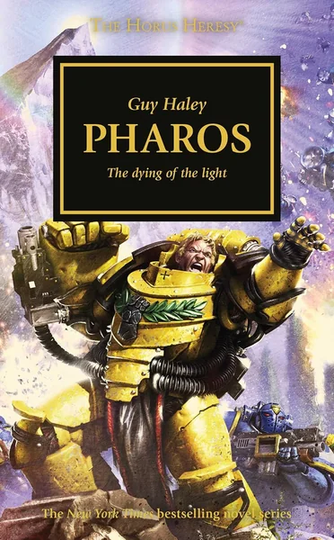
- Pharos2015
- Eye of Terra2016 · on Amazon

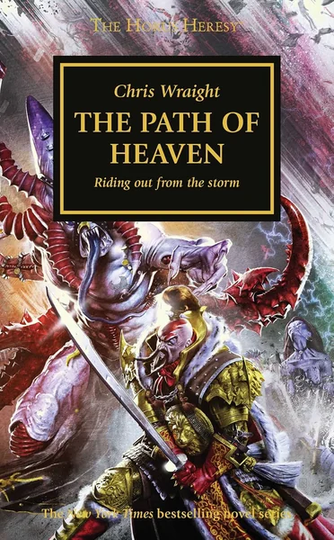
- The Path of Heaven2016
- The Silent War2016 · on Amazon

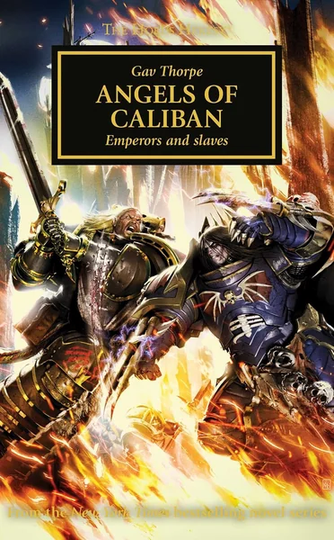
- Angels of Caliban2016
- Praetorian of Dorn2016 · on Amazon

- Corax2016
- The Master of Mankind2016
- Garro2017
- Shattered Legions2017 · on Amazon

- The Crimson King2017
- Tallarn2017
- Ruinstorm2017
- Old Earth2017 · on Amazon

- The Burden of Loyalty2018 · on Amazon
- Wolfsbane2018 · on Amazon

- Born of Flame2018 · on Amazon

- Slaves to Darkness2018
- Heralds of the Siege2018 · on Amazon

- Titandeath2018 · not reviewed
- The Buried Dagger2019
- The Solar War2019
- The Lost and the Damned2019
- The First Wall2020
- Saturnine2020
- Mortis2021
- Warhawk2021 · on Amazon

- Echoes of Eternity2022 · on Amazon
- The End and the Death, Volume I2023 · on Amazon

- The End and the Death, Volume II2023 · on Amazon

- The End and the Death, Volume III2024 · on Amazon

Ask LuvemBooks
Was this helpful?
- Is it worth reading?
- For readers already invested in the Horus Heresy series — particularly those who have read the opening trilogy — Legion is widely regarded as one of the standout, most re-readable entries in the series. Community commentary included a nine-out-of-ten assessment at andyoftheaett.blogspot.com that called it a 'stand-out HH tale,' and broader fan consensus at the Warmongers community characterised it as a highlight of the series at that point. The key caveat is that its pleasures — including the payoff of its deliberate structural inversions — are most apparent to readers with series context, rather than newcomers picking it up cold.
- Similar books
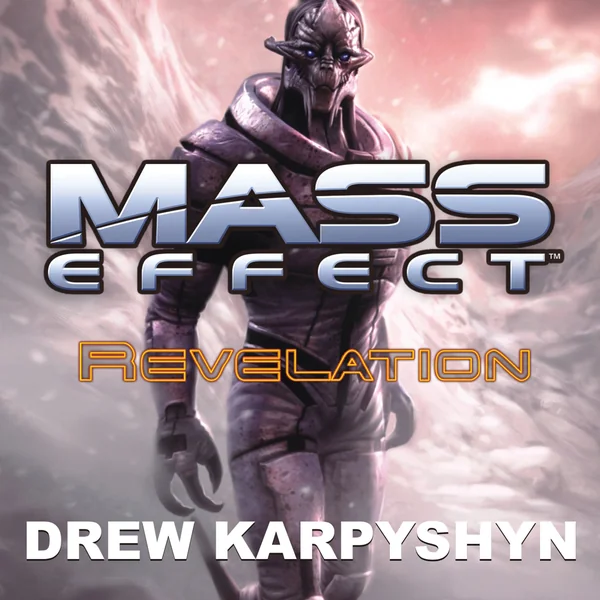
- Readers drawn to Legion's blend of military science fiction, institutional intrigue, and layered perspective may also enjoy False Gods by Graham McNeill, another Horus Heresy instalment that deepens the series' ideological stakes. Beyond the Horus Heresy, Abnett's own Eisenhorn — an acclaimed Black Library property — offers a similarly character-grounded, mystery-tinged approach to the Warhammer 40,000 universe. For readers interested in science fiction that plays with identity and unreliable perspective more broadly, Ancillary Justice by Ann Leckie and A Memory Called Empire by Arkady Martine are frequently cited companions, while Mass Effect: Revelation by Drew Karpyshyn offers another entry point into military SF rooted in a rich franchise universe.
- Who should read this?
- Readers who enjoy layered military science fiction built around unreliable perspective, institutional secrecy, and ideological stakes will find it especially rewarding. It is less well matched to newcomers to the series or to readers expecting the action-forward, Legion-centric deep dive that earlier Horus Heresy volumes typically deliver.
- About Dan Abnett
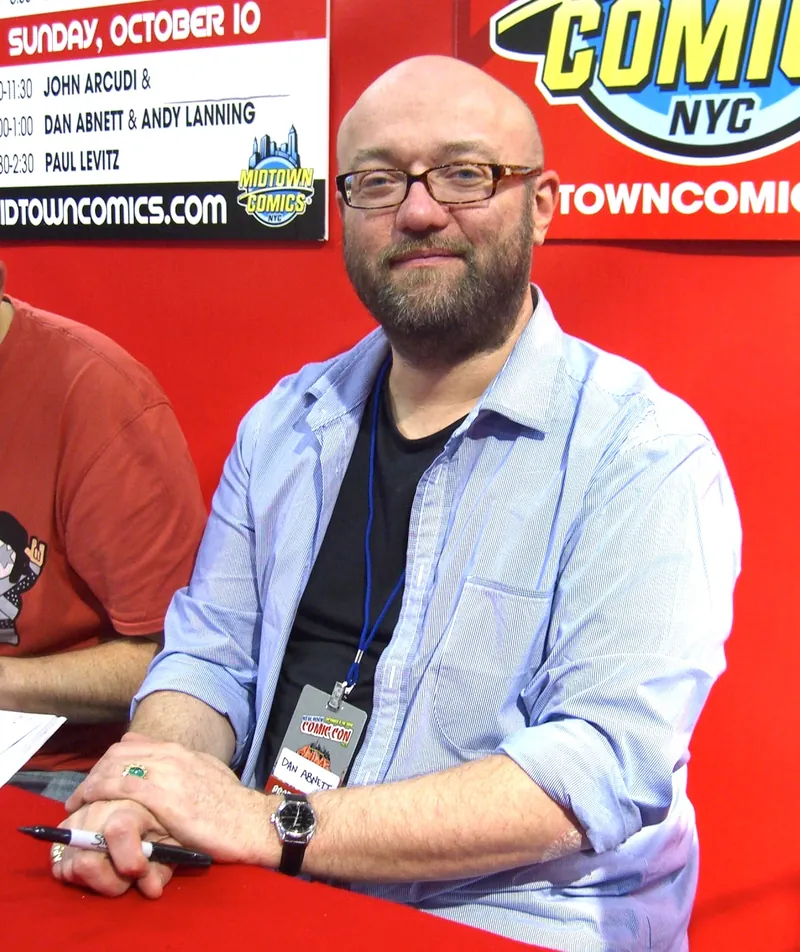
- Daniel P. Abnett is an English comic book writer and novelist.
- How does it compare to Horus Rising?
- Horus Rising, also written by Dan Abnett and the first entry in the Horus Heresy series, establishes the series' foundational framework and introduces the legion-primarch dynamic that later volumes — including Legion — rely on readers understanding. Legion deliberately subverts that framework: where Horus Rising centres on named Space Marine heroes and their Legion culture, Legion withholds exactly that perspective, experiencing the Alpha Legion almost entirely through mortal, non-Astartes viewpoint characters. The structural inversion is most rewarding for readers who come to Legion having already experienced the conventions Abnett is subverting.
- How important is reading order?
- Reading order matters significantly for Legion. As the seventh entry in the Horus Heresy series, it is built around the deliberate subversion of conventions that earlier volumes establish — particularly the 'legion-primarch trope' of experiencing a Legion's culture through the eyes of its warriors. The review notes that Legion's pleasures are more apparent to readers with series context, and that its structural payoffs require at least the opening trilogy as a foundation. It raises questions that ripple outward through the Horus Heresy for many subsequent books, making it a pivotal rather than peripheral instalment.
Summarize this book
Follow up
Synthesized from verified book data & published reviews · How we review
What would you like to know about Legion?
Answers come from our editorial notes on this book. If we haven't covered something, we'll say so.
Readers often ask
Editorial Review
What the Book Is and What It Does
The Alpha Legion and the Subversion of Series Convention
Dan Abnett's Craft and Reputation
Narrative Structure and Reader Experience
Who This Book Is For and Where It Fits
Sources & Further Reading
The key facts and claims in this review are grounded in the retrieved, verified sources listed below.
- Cited in this review
- 1
wh40k.lexicanum.com
- 2
driftlessareareview.com
- 3
openlibrary.org
- Further reading
- 4
Dan Abnett, LuvemBooks
- 5
- 6
bitsandpieces.games
- 7
Age & Reading Level
Our age band
Adult
Our age band groups books for browsing; it isn't an age a review gave.
2 content notes · who it suits
Content to know about
Skip if you want an action-forward, insider look at Space Marine Legion culture with a named Astartes hero at the centre.
Reader reviews
No LuvemBooks readers have answered yet.
Read it? Was it right for you?
Books like Legion
Curated picks for readers who enjoyed Legion, with our reasoning for each match.

If you liked Legion