6 min read
Share This Review
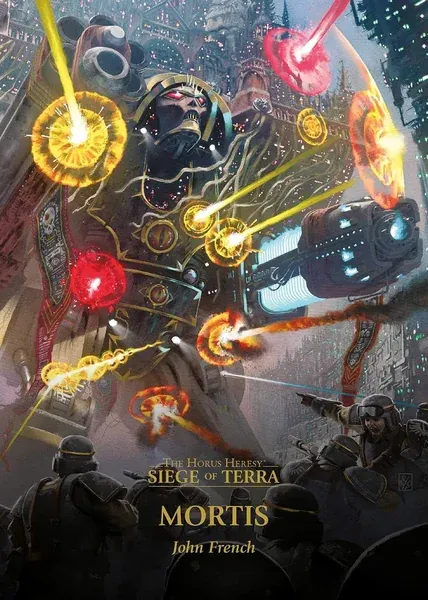
Mortis
Mortis by John French Review: A Siege of Titans and Despair
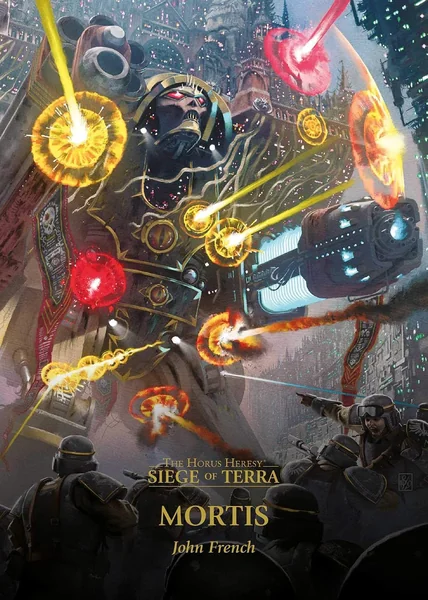
Mortis, book 5 in the Siege of Terra series, details the intensifying assault on the Imperial Palace as Horus commands the Legio Mortis Titans against the defenders of Mercury Wall. Readers seeking massive mechanized warfare and psychological dread will find a vital atmospheric entry here, though newcomers may struggle.
LuvemBooks Verdict
Best for
Fans of Warhammer 40,000 seeking atmospheric dread and massive Titan warfare will find this volume delivers those elements effectively.
Worth it if
Worth reading if you want a crucial, lore-heavy installment that delivers palpable tension and solid character moments despite its length.
Skip if
Skip it if you prefer standalone military sci-fi epics or require tight pacing and conventional narrative resolution over franchise expansion.
What readers & critics say
Speculiction highlights the palpable tension and effective climactic scenes that challenge a key character's mission, while The StoryGraph reviewer was pleasantly surprised by its solid themes and characters, noting the book is longer than necessary.
Sources: Speculiction, The StoryGraphThe Horus Heresy reading order
Book 59 of 64 books
- Horus Rising2006
- False Gods2006
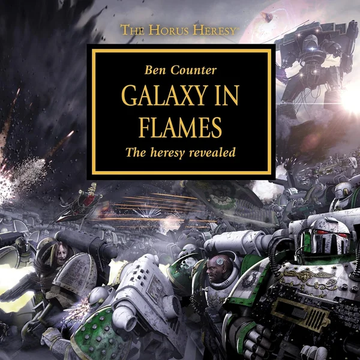
- Galaxy in Flames2006
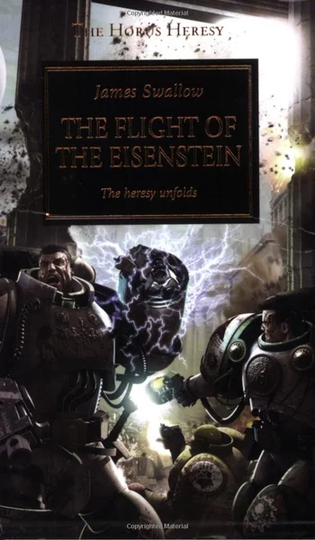
- The Flight of the Eisenstein2007
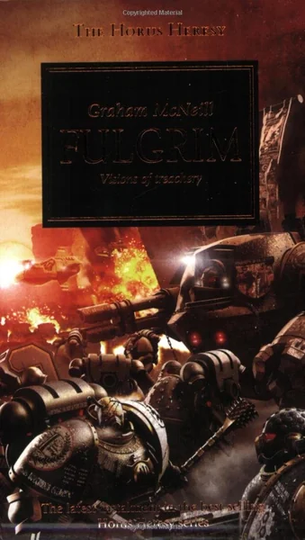
- Fulgrim2007
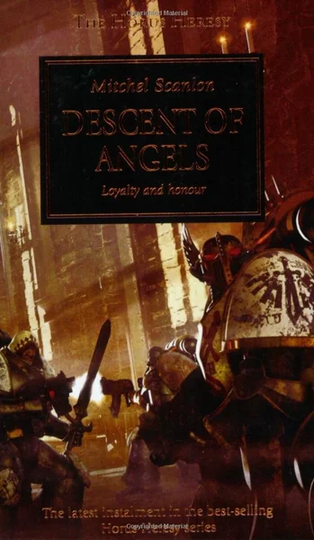
- Descent of Angels2007
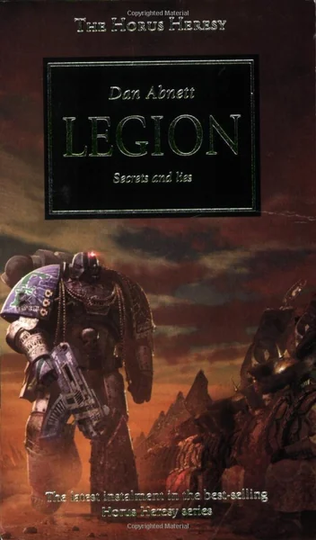
- Legion2008
- Battle for the Abyss2008
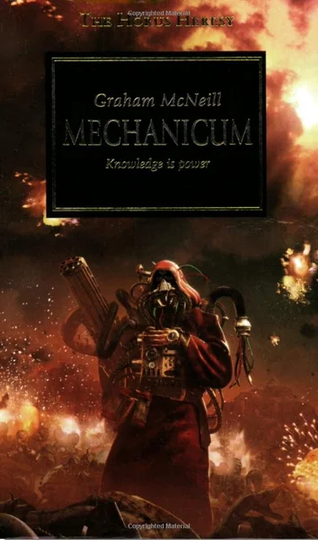
- Mechanicum2008
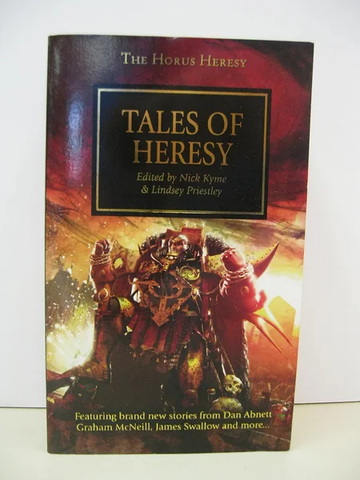
- Tales of Heresy2009
- Fallen Angels2009
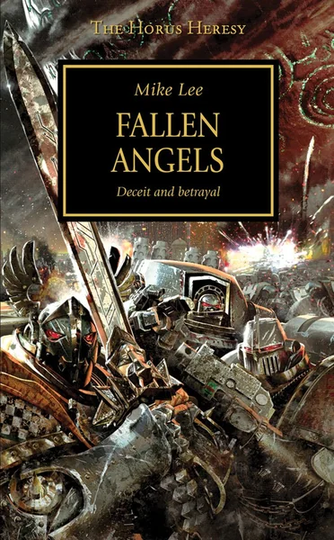
- A Thousand Sons2010
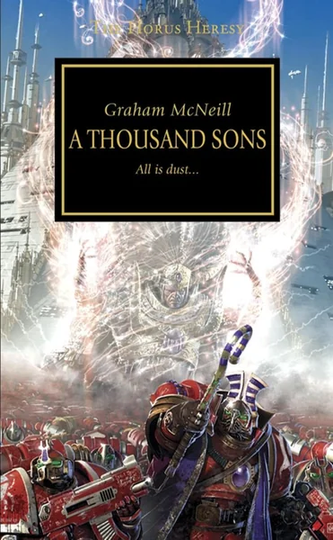
- Nemesis2010
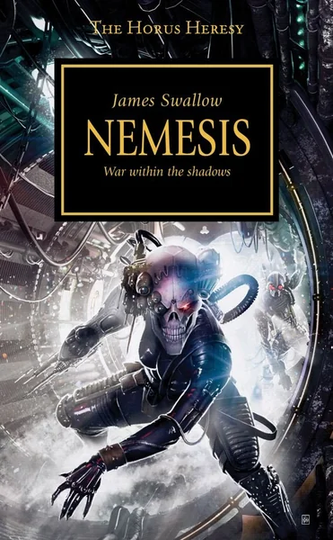
- The First Heretic2010
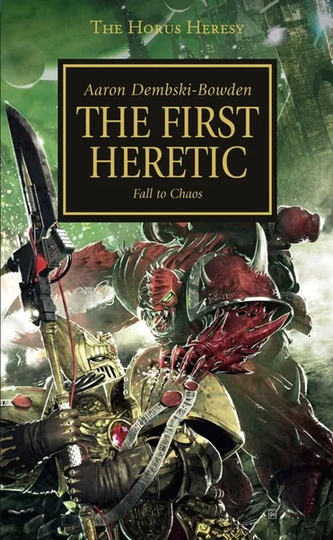
- Prospero Burns2010
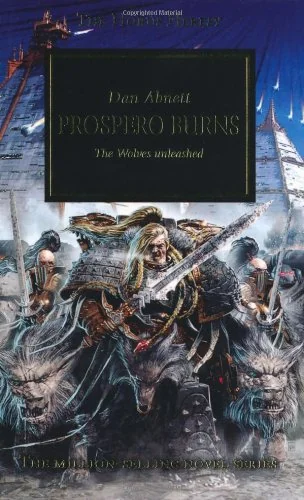
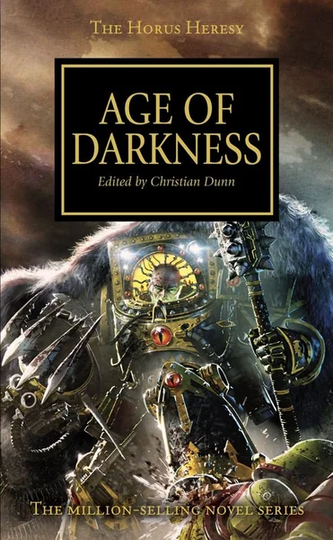
- Age of Darkness2011
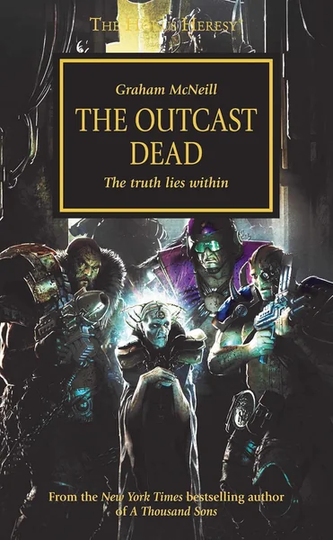
- The Outcast Dead2011
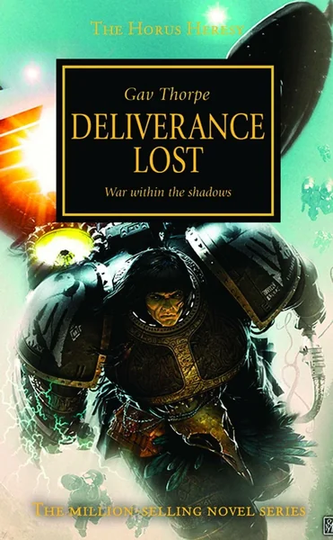
- Deliverance Lost2012
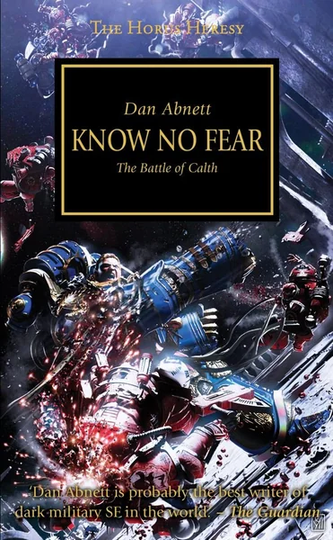
- Know No Fear2012
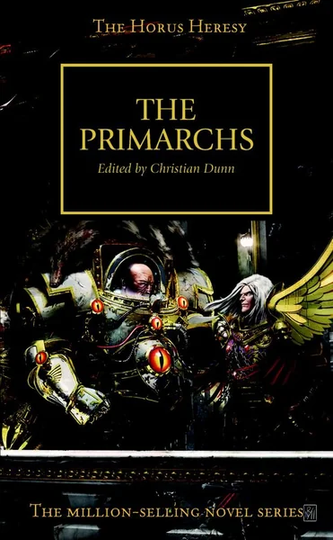
- The Primarchs2012
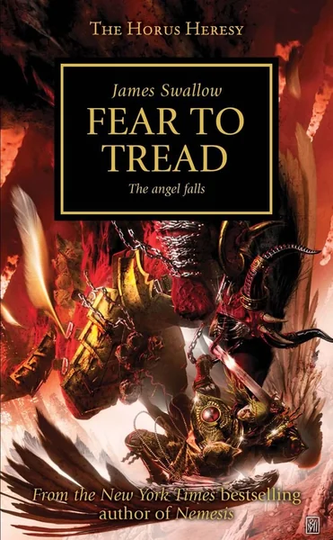
- Fear to Tread2012
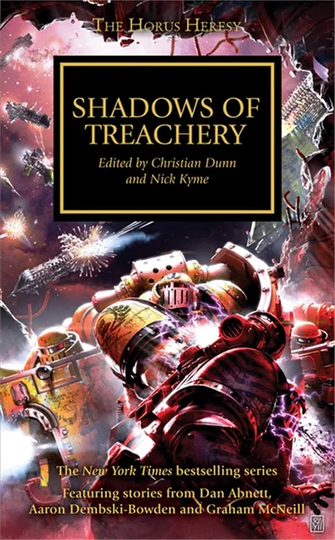
- Shadows of Treachery2012
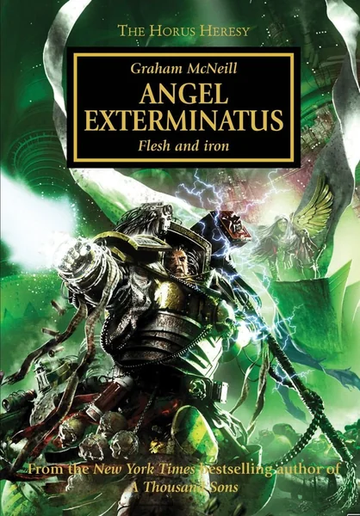
- Angel Exterminatus2012
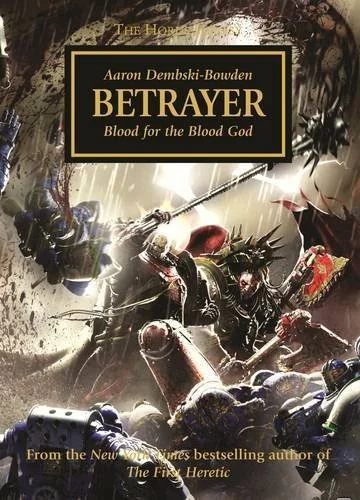
- Betrayer2012
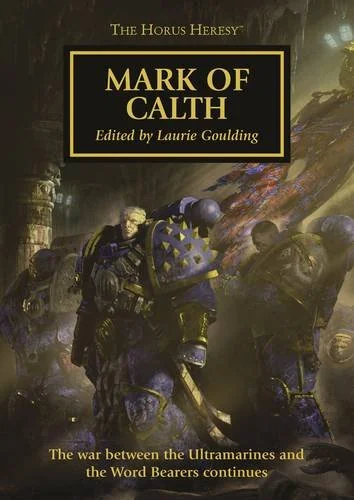
- Mark of Calth2013
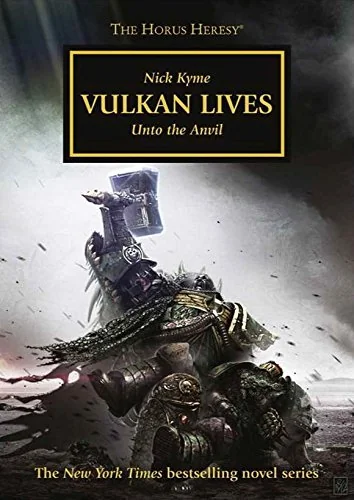
- Vulkan Lives2013
- The Unremembered Empire2013
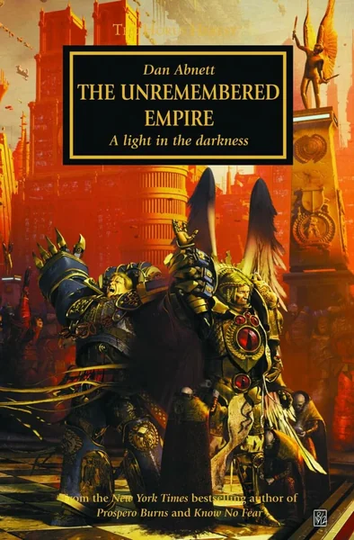
- Scars2014
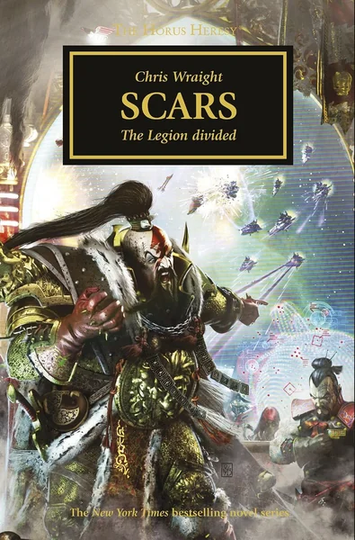
- Vengeful Spirit2014
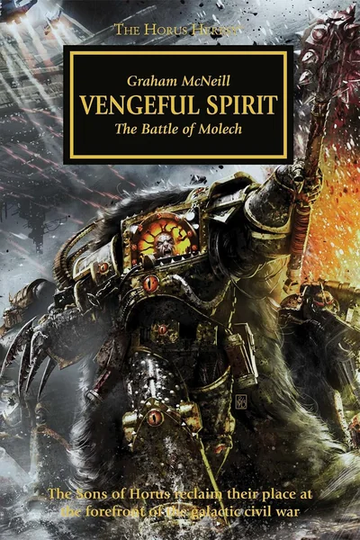
- The Damnation of Pythos2014
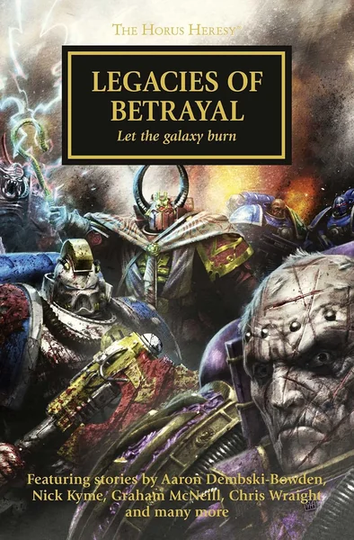
- Legacies of Betrayal2015
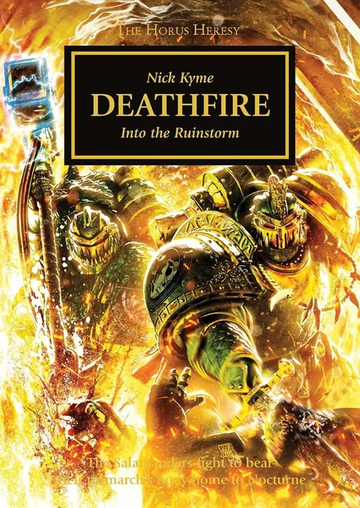
- Deathfire2015
- War Without End2016 · on Amazon
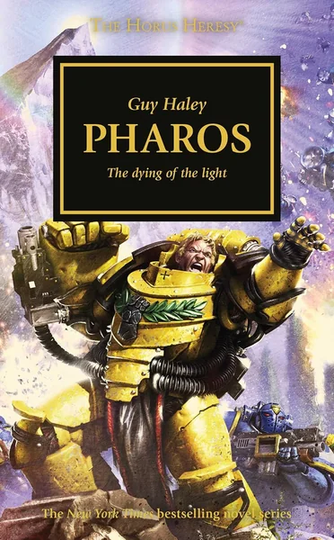
- Pharos2015
- Eye of Terra2016 · on Amazon

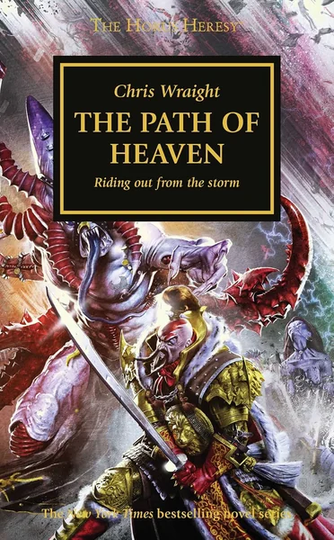
- The Path of Heaven2016
- The Silent War2016 · on Amazon

- Angels of Caliban2016
- Praetorian of Dorn2016 · on Amazon

- Corax2016
- The Master of Mankind2016
- Garro2017
- Shattered Legions2017 · on Amazon

- The Crimson King2017
- Tallarn2017
- Ruinstorm2017
- Old Earth2017 · on Amazon

- The Burden of Loyalty2018 · on Amazon
- Wolfsbane2018 · on Amazon

- Born of Flame2018 · on Amazon

- Slaves to Darkness2018
- Heralds of the Siege2018 · on Amazon

- Titandeath2018 · not reviewed
- The Buried Dagger2019
- The Solar War2019
- The Lost and the Damned2019
- The First Wall2020
- Saturnine2020
- MortisThis book
- Warhawk2021 · on Amazon

- Echoes of Eternity2022 · on Amazon
- The End and the Death, Volume I2023 · on Amazon

- The End and the Death, Volume II2023 · on Amazon

- The End and the Death, Volume III2024 · on Amazon

Ask LuvemBooks
Was this helpful?
- Is it worth reading?
- The book serves as a crucial, atmospheric installment for the Horus Heresy saga, successfully delivering on the promise of escalating chaos and desperate last stands. Readers who enjoy cosmic horror and orbital warfare will find the specific brand of dread and tension effective. However, it may present a barrier to some.
- Similar books
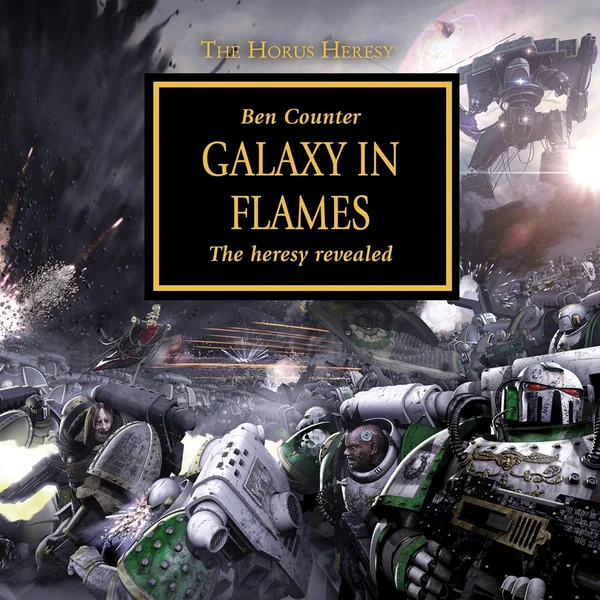
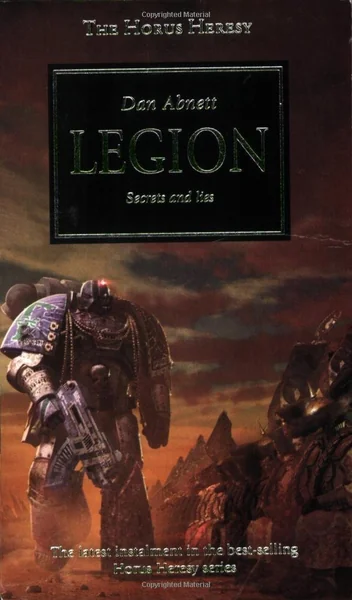
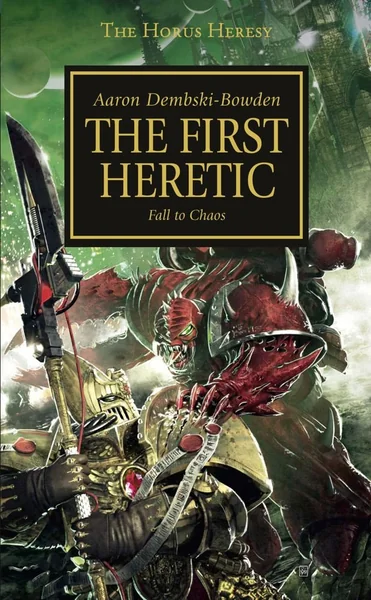
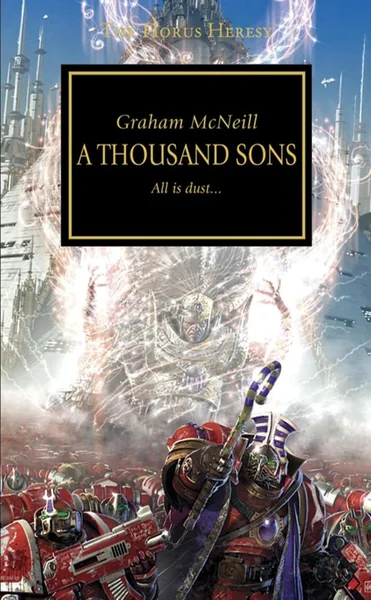
- Readers who enjoy this volume's blend often appreciate other entries in the Horus Heresy line. Titles like Legion by Dan Abnett, The First Heretic by Aaron Dembski-Bowden, and A Thousand Sons by Graham McNeill offer comparable grimdark tones and franchise expansion. For those seeking a different but thematically adjacent experience, Ben Counter's Galaxy in Flames is also a strong recommendation.
- Who should read this?
- This volume is best suited for dedicated fans of the Warhammer 40,000 universe and readers deeply invested in the tabletop franchise's extensive narrative history. It appeals to those seeking massive mechanized warfare within a grimdark setting. Readers unfamiliar with the preceding Siege of Terra novels or the broader Horus Heresy saga may struggle to follow the complex roster of commanders.
- About John French
- John French is a script writer, novelist and games designer working in fantasy and science fiction for page, screen and play. He is a frequent contributor to the Black Library catalogue, known for his work on the Horus Heresy line and other titles within the Warhammer 40,000 universe.
- Where does this sit in the series?
- This is part of the Siege of Terra sub-series, detailing the assault on the Imperial Palace. It functions as a crucial, lore-heavy installment that expands on the mechanics of the Titan legions and the siege warfare. While it advances the overarching Horus Heresy saga, it is not a standalone entry.
- How long does it take to read?
- The novel features a dense, atmospheric prose style that emphasizes the scale of conflict and psychological dread.
Summarize this book
Follow up
Synthesized from verified book data & published reviews · How we review
What would you like to know about Mortis?
Answers come from our editorial notes on this book. If we haven't covered something, we'll say so.
Readers often ask
Editorial Review
We review the evidence: published reviews and reader verdicts, gathered and weighed with AI assistance and edited by LuvemBooks, rather than one reader's first-hand take.
What Mortis Actually Is
Place in the Genre and Series
What the Book Delivers
Genuine Limitations and Points of Contention
Is Mortis Worth Reading?
Sources & Further Reading
The key facts and claims in this review are grounded in the retrieved, verified sources listed below.
- 1
- 2
fantasticfiction.com
- 3
john-french.com
- 4
simonandschuster.com
- 5
- 6
speculiction.blogspot.com
- 7
beta.thestorygraph.com
Age & Reading Level
Our age band
Adult
Our age band groups books for browsing; it isn't an age a review gave.
3 content notes · who it suits
Content to know about
Best for: Adults — themes of cosmic horror and grimdark violence
Skip if you prefer standalone military sci-fi epics or require tight pacing and conventional narrative resolution
Reader reviews
No LuvemBooks readers have answered yet.
Read it? Was it right for you?
Books like Mortis
Curated picks for readers who enjoyed Mortis, with our reasoning for each match.

If you liked Mortis