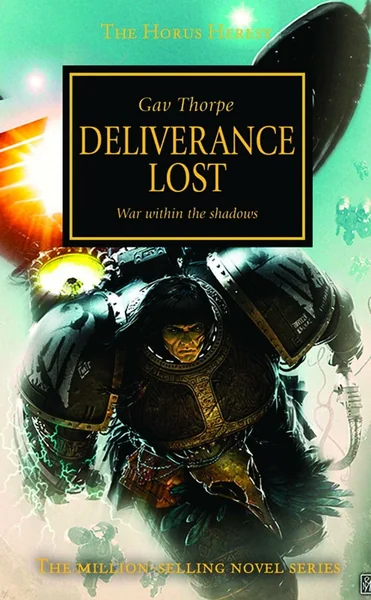
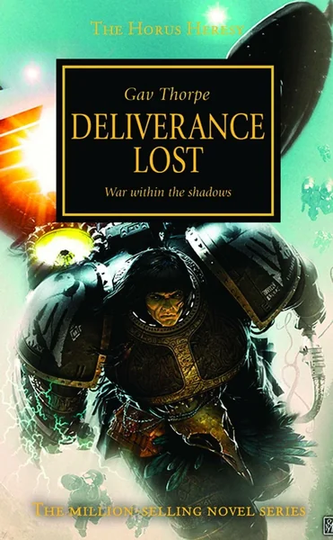
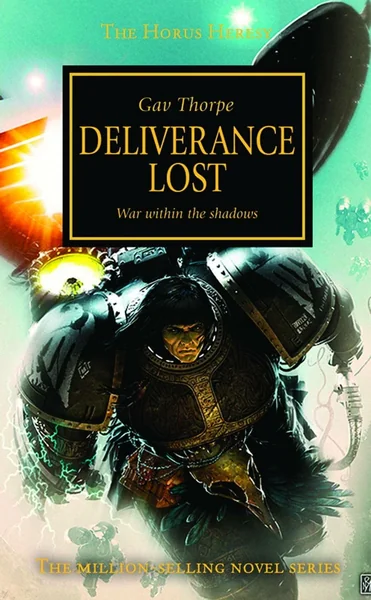
Deliverance Lost is the eighteenth novel in Black Library's Horus Heresy series, written by Gav Thorpe, following Primarch Corax as he struggles to rebuild the shattered Raven Guard in the wake of the massacre at Isstvan V — all while the shape-shifting Alpha Legion works to destroy them from within. It earns its place in the series by delivering both Legion-scale intrigue and a substantial look at Corax's origins.
Committed Horus Heresy readers who want a Legion-focused chapter centred on the Raven Guard's survival and rebuilding, laced with an Alpha Legion spy-thriller undercurrent.
Worth it if
Worth reading if you are already invested in the Horus Heresy series and want a Corax-centred story that blends military action with infiltration tension and meaningful backstory on the Raven Guard's origins.
Skip if
Skip it if you are new to the Horus Heresy, have no prior knowledge of the Isstvan V massacre or the Alpha Legion, or come to the series primarily for the philosophical depth and psychological complexity of its most acclaimed authors.
Where reviewers agree and split
Readers rate it 4.5 on Amazon. The reviews we read that discuss it in depth split on some points:
Mixed · 7.5
Heresy Online · Book blog: strong work with compelling concepts despite notable logical inconsistencies
Positive · 4 Stars (out of 5)
Bell of Lost Souls · Book blog: solid work with pacing issues but strong reveals and compelling insights
Positive
Adventures With Peps · Book blog: solid work with excellent intrigue elements and story-expanding lore
Overall verdicts are our summary of each review we read, from its headline, rating and conclusion.
What readers & critics say
Eclectictheist.wordpress.com called it "an excellent entry in the Horus Heresy series," praising Thorpe's technique of weaving world-building and exposition into the action sequences rather than halting the plot. Graemesfantasybookreview.blogspot.com found the novel "stodgy at times" but concluded there is "a story inside that will reach out and grab you," while reading-lamp.blogspot.com argued the book is "far more worthy of respect than many fans seem to think," crediting Thorpe with a distinctively rendered Primarch in Corax.
Deliverance Lost is the eighteenth novel in Black Library's Horus Heresy series, following Primarch Corax as he races to rebuild the shattered Raven Guard after the Drop Site Massacre at Isstvan V, while Alpha Legion sleeper agents work to destroy the Legion from within. Gav Thorpe delivers a compelling spy-thriller infiltration dynamic layered over military action, enriched by meaningful backstory on Corax's origins and the Raven Guard's history. Best suited to readers already invested in the Horus Heresy series — this is an expertly crafted Legion-focused chapter, though those seeking the psychological depth of Abnett or McNeill may find its thematic ambitions more workmanlike.
Is it worth reading?
Deliverance Lost earns its place in the Horus Heresy series for readers already committed to the continuity. The most consistent caveat from readers is that its thematic ambitions sit at a different register than the series' most celebrated contributors — as ftgtgaming.blogspot.com put it, 'the themes aren't as deep as Abnett and McNeil's works, but enjoyable nonetheless.'
Similar books
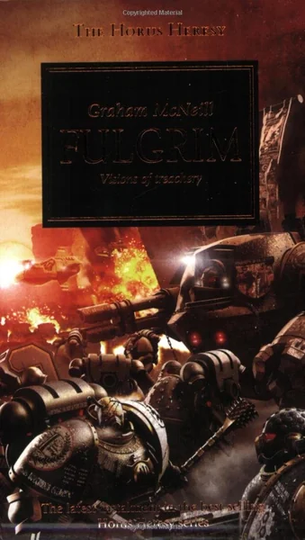
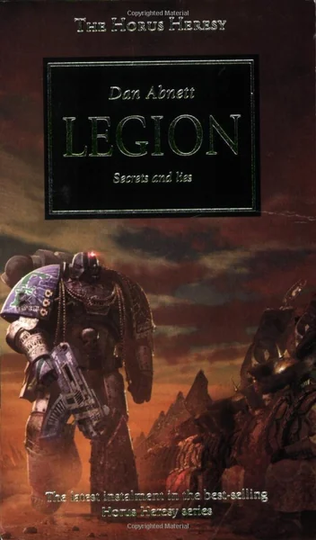
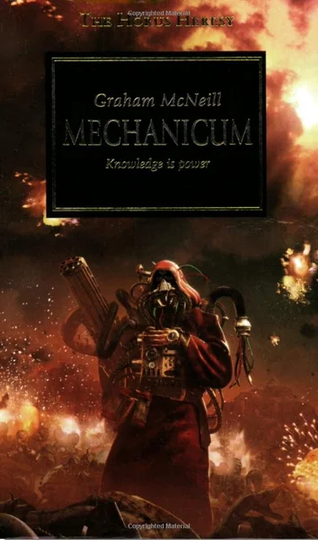
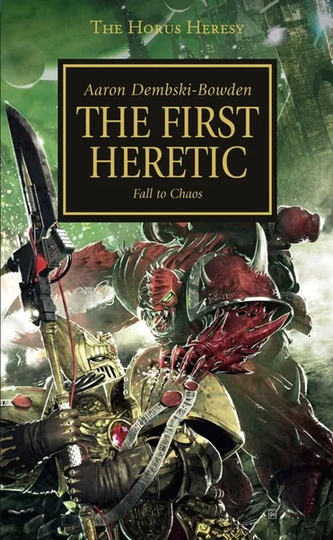
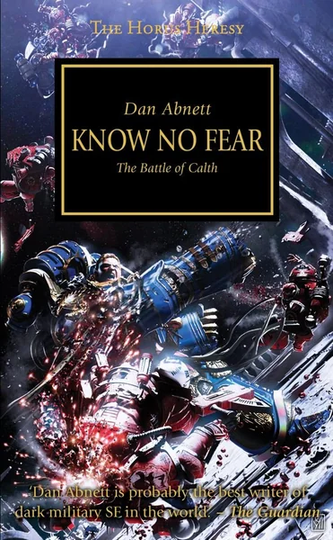
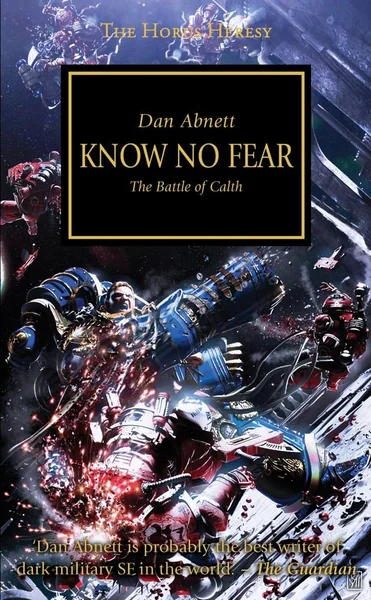
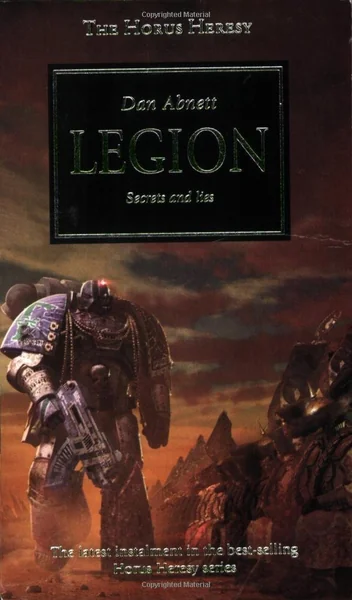
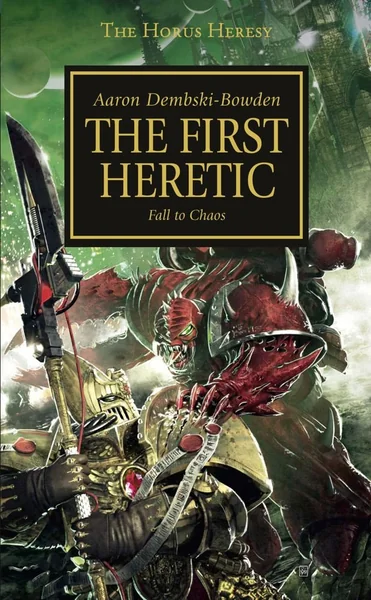
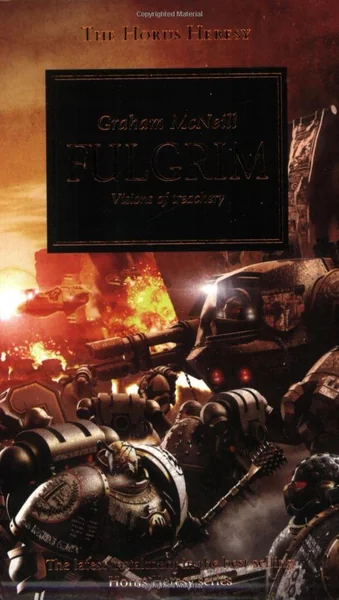
Readers who enjoy Deliverance Lost will find much to appreciate in other Horus Heresy entries that foreground Legion identity and intrigue. Dan Abnett's Legion is a natural companion read, given the Alpha Legion's central role in Thorpe's book. The First Heretic by Aaron Dembski-Bowden and Fulgrim by Graham McNeill are both frequently cited as among the series' thematically richer entries — the latter is one of the benchmark works that readers compare to Deliverance Lost when noting the gap in philosophical depth. Dan Abnett's Know No Fear and Gav Thorpe's own Angels of Darkness are also frequently mentioned alongside this novel for readers exploring the broader range of Heresy fiction.
Who should read this?
Deliverance Lost is squarely aimed at readers already invested in the Horus Heresy series — specifically those with an interest in the Raven Guard, Primarch Corax, or the Alpha Legion. It rewards series veterans who want a deeper look at the Raven Guard's origins and a sustained cat-and-mouse dynamic between two of the Heresy's most distinctive Legions. Readers who come to the series primarily for psychological complexity or philosophical weight may find it more workmanlike than the benchmark entries by Abnett or McNeill, but fans of military science fiction with a spy-thriller undercurrent will find it well-constructed and engaging.
Where does it fit in the Horus Heresy series?
Deliverance Lost is the eighteenth novel in Black Library's Horus Heresy series, published on December 27, 2011. It picks up directly in the aftermath of the Drop Site Massacre at Isstvan V — one of the defining catastrophes of the Heresy — and builds on events established in earlier volumes, making it a mid-series entry that assumes readers have followed the continuity to that point. The novel's focus on Corax and the Raven Guard gives it a distinct identity within the sprawling series, and the wordaholicanonymous.wordpress.com reviewer noted that Thorpe successfully tied together multiple storylines while anchoring the book firmly within the broader Heresy narrative.
Is this more action or spy thriller?
Deliverance Lost blends both — the Alpha Legion infiltration plot introduces sustained tension that sits alongside conventional military action, giving the book a spy-thriller undercurrent unusual for a Space Marine novel. The DNA-testing sequence that exposes the embedded sleeper agents and the subsequent assault on the Emperor's Children stronghold called the Perfect Fortress form the novel's action backbone, while the question of which survivors are truly loyal runs as a quieter, unsettling current throughout. The reviewer at eclectictheist.wordpress.com praised Thorpe for threading world-building and exposition through the action rather than separating them.
Where should I start with Gav Thorpe?
For readers new to Gav Thorpe's Warhammer fiction, Angels of Darkness is frequently recommended as an entry point to his work — it is a standalone Space Marine novel that demonstrates his ability to explore the darker philosophical underpinnings of the setting without requiring series context. Within the Horus Heresy specifically, Deliverance Lost is his most prominent contribution, but it is best approached after building familiarity with the series rather than as a first read.
Summarize this book
Is it worth reading?
Who should read this?
Where does it fit in the Horus Heresy series?
Is this more action or spy thriller?
Where should I start with Gav Thorpe?
Summarize this book
Set immediately after the Drop Site Massacre at Isstvan V, Deliverance Lost follows Primarch Corax and the surviving Raven Guard as they escape the Isstvan system aboard a stealthed ship commanded by Branne, eventually making their way to Terra and then home to Deliverance. Corax secures ancient imperial secrets to accelerate the rebuilding of his decimated Legion, while simultaneously hunting Alpha Legion infiltrators embedded among the survivors — sleeper agents whose mission is to prevent the Raven Guard from ever threatening Horus again. The novel's action backbone includes a DNA-testing sequence that exposes the infiltrators and a subsequent assault on an Emperor's Children stronghold called the Perfect Fortress, set against a human-scale conflict between Isstvan veterans and Branne's garrison troops who never experienced the massacre.
Synthesized from verified book data & published reviews · How we review
Ask LuvemBooks
What would you like to know about Deliverance Lost?
Answers come from our editorial notes on this book. If we haven't covered something, we'll say so.
Readers often ask
Our Review
We review the evidence: reader verdicts, gathered and weighed with AI assistance and edited by LuvemBooks, rather than one reader's first-hand take.
This is a review of the content and published reception of Deliverance Lost — drawn from available sources, not from hands-on reading.
What the Book Is and What Happens
Deliverance Lost picks up in the immediate aftermath of the Drop Site Massacre at Isstvan V, one of the defining catastrophes of the Horus Heresy. Primarch Corax and the surviving remnants of his Raven Guard flee the Isstvan system aboard a stealthed ship commanded by Branne, making their harrowing way first toward Terra and then back to their home fortress of Deliverance.
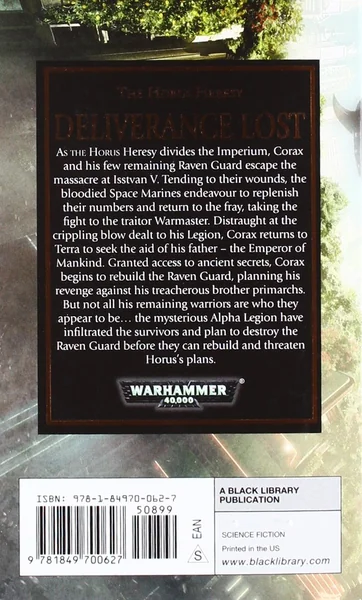
The novel's central engine is twofold: Corax securing access to ancient imperial secrets that allow him to accelerate the rebuilding of his decimated Legion, and the simultaneous effort to root out Alpha Legion infiltrators who have embedded themselves among the survivors — sleeper agents whose mission is to prevent the Raven Guard from ever threatening Horus again. The DNA-testing sequence that exposes the infiltrators and the subsequent assault on an Emperor's Children stronghold called the Perfect Fortress form the novel's action backbone. The publisher's synopsis frames the stakes plainly: "not all his remaining warriors are who they appear to be."
Corax, the Raven Guard, and the Alpha Legion
One of the novel's most discussed qualities is that it brings together two of the Horus Heresy's most distinctive Legions in sustained conflict. The Raven Guard's identity — stealth, resilience, survival against the odds — is set in direct opposition to the Alpha Legion's hallmark of infiltration and misdirection, making the cat-and-mouse dynamic a natural fit for their shared spotlight.
The novel also devotes meaningful space to Corax's personal history and the origins of the Raven Guard, which readers commenting on the book have noted as a particular draw. As one reader observed at ftgtgaming.blogspot.com, "there's a good bit of Corax's history in Deliverance Lost," calling that retrospective dimension one of the book's genuine pleasures.
For readers who have followed the series and wanted a deeper look at this Legion's roots, that layer adds texture beyond the immediate wartime narrative.
Reception and Place in the Series
Published by Black Library on December 27, 2011, Deliverance Lost arrived as the eighteenth entry in what would become a sprawling series. The reviewer at eclectictheist.wordpress.com judged it a superb installment of the Horus Heresy books, specifically praising the way Thorpe threads world-building and exposition through the action sequences rather than pausing the plot for them: "The action scenes, though, still contain story and world-building, as Thorpe continues the exposition throughout."
The blogger at wordaholicanonymous.wordpress.com noted that Thorpe faced a substantial structural challenge — tying together multiple storylines while also anchoring the book firmly within the broader Heresy narrative — and found that he rose to it. Reader response collected at ftgtgaming.blogspot.com is broadly positive, though it comes with the honest qualification that Thorpe's work is seen by some in the community as operating at a different register than the series' most celebrated contributors.
Back cover with synopsis, barcode, and Black Library publication details.
Genuine Strengths
The novel's construction rewards readers interested in the Heresy's mid-period complexity. The Alpha Legion infiltration plot introduces sustained tension that sits alongside the conventional military action, giving the book a spy-thriller undercurrent unusual for a Space Marine novel.
Corax's journey from Isstvan to Terra to Deliverance also provides structural variety — the escape sequence, the political detour to Terra, and the Legion-building phase on Deliverance each carry their own tone. According to the Lexicanum record of the plot, the tension between Isstvan veterans and Branne's garrison troops who never experienced the massacre adds a human-scale conflict to what could have been purely a grand strategy story.
These layered conflicts give the book more to sustain attention across its length than a single-thread military campaign would.
Limitations and Who It Suits
The most consistent note sounded by readers is a perceived gap in thematic ambition compared to the series' benchmark authors. The ftgtgaming.blogspot.com reviewer put it directly: "The themes aren't as deep as Abnett and McNeil's works, but enjoyable nonetheless."
This is a practical signal for readers: those who come to the Horus Heresy primarily for psychological complexity or philosophical weight may find Deliverance Lost more workmanlike than revelatory. It is also, by design, a deep-series novel — the eighteenth book in an extended continuity.
Readers without familiarity with the massacre at Isstvan V, the nature of the Alpha Legion, or the broader shape of the Heresy will find little scaffolding here; the book assumes commitment to the series and builds on events established in earlier volumes. It is best approached as exactly what it is: a Legion-focused chapter in a long war, not a standalone entry point.
Sources & Further Reading
The key facts and claims in this review are grounded in the retrieved, verified sources listed below.
Thorpe recalls that while writing the scene where Corax surveys the devastation of the Dropsite Massacre, he was listening to the Watchmen film soundtrack. A bleak instrumental track titled 'Just Look Around' played by coincidence and became the scene's definitive soundtrack for him.
Corax's moral burden and doubts
Thorpe wanted to portray Corax's journey rather than reducing him to an emo caricature. While Corax will commit horrific acts if pragmatic leadership demands them, he refuses to take glory in violence and seeks the Emperor's reassurance that his actions are justified.
Why Corax sees a rational Emperor
Thorpe explains that Corax perceives the Emperor as a man of science rather than a god because that is the persona Corax needs in order to function. The Emperor presents Himself differently to each son to reset them and keep them serving His purpose.
Primarchs shaped by nature versus nurture
Thorpe notes that the Primarchs were created essentially as blank slates whose personalities were molded by the environments where their gestation pods landed. Corax's upbringing among imprisoned slaves gave him an egalitarian nature and a deep hatred of oppression.
Balancing the Alpha Legion's fractured plots
Thorpe explains that his role in the novel was to keep the ongoing Alpha Legion storylines spinning without resolving their true loyalties. He leaned into their extreme compartmentalization, where independent operatives pursue initiative to the point of working against one another.
From our readers
Reader reviews
No LuvemBooks readers have answered yet.
Read it? Was it right for you?
Books like Deliverance Lost
Curated picks for readers who enjoyed Deliverance Lost, with our reasoning for each match.