At a glance
Be one of the first readers to answer.
Read it? Was it right for you?
About the Author
James Swallow2 books reviewed
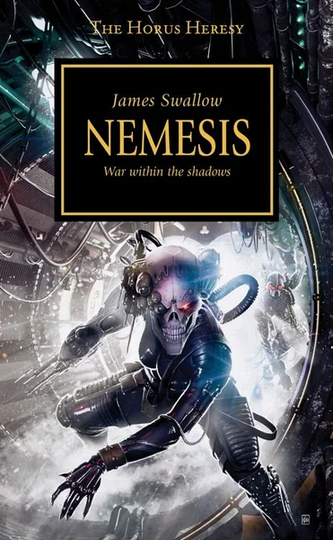
Nemesis
by James Swallow
LuvemBooks Verdict
Best for: Horus Heresy readers — or curious newcomers — who want a spy-thriller change of pace from the series' usual Legion warfare, with a focus on the shadowy Officio Assassinorum and a daemonic antagonist closer to horror than military sci-fi.
Worth it? Skip it? Read the full verdict →The Horus Heresy reading order
Book 13 of 64 books
- Horus Rising2006
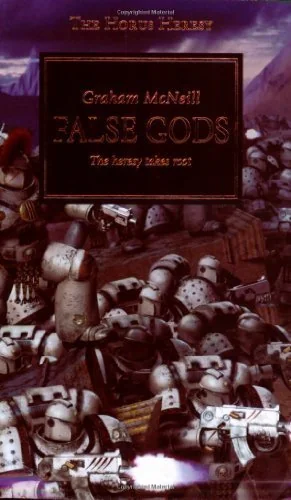
- False Gods2006
- Galaxy in Flames2006
- The Flight of the Eisenstein2007
- Fulgrim2007
- Descent of Angels2007
- Legion2008
- Battle for the Abyss2008
- Mechanicum2008
- Tales of Heresy2009 · on Amazon

- Fallen Angels2009
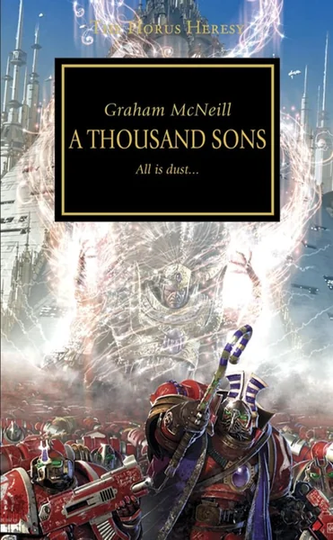
- A Thousand Sons2010
- NemesisThis book
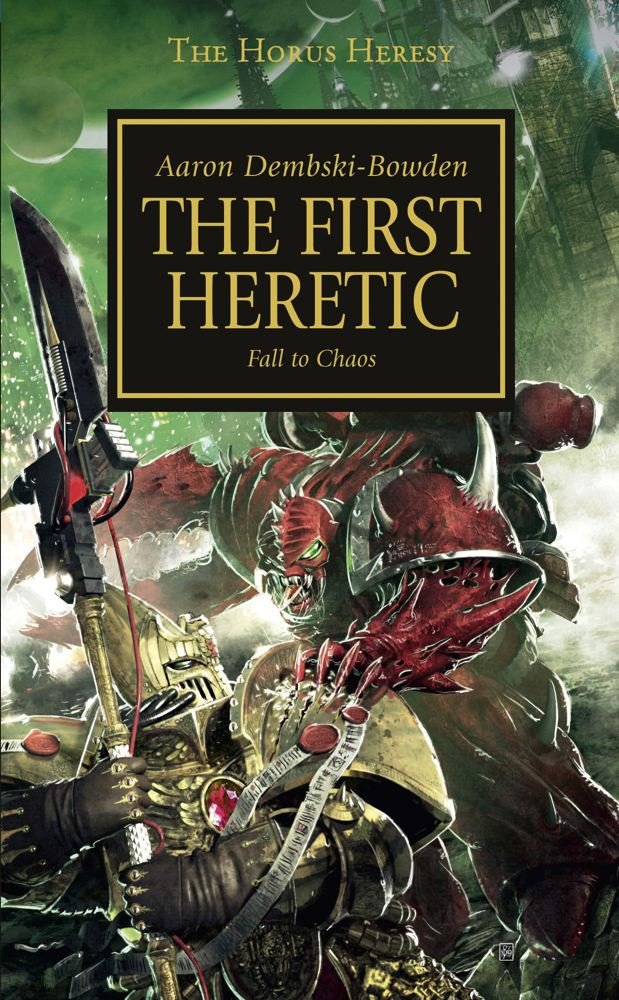
- The First Heretic2010 · on Amazon
- Prospero Burns2010 · on Amazon

- Age of Darkness2011 · on Amazon

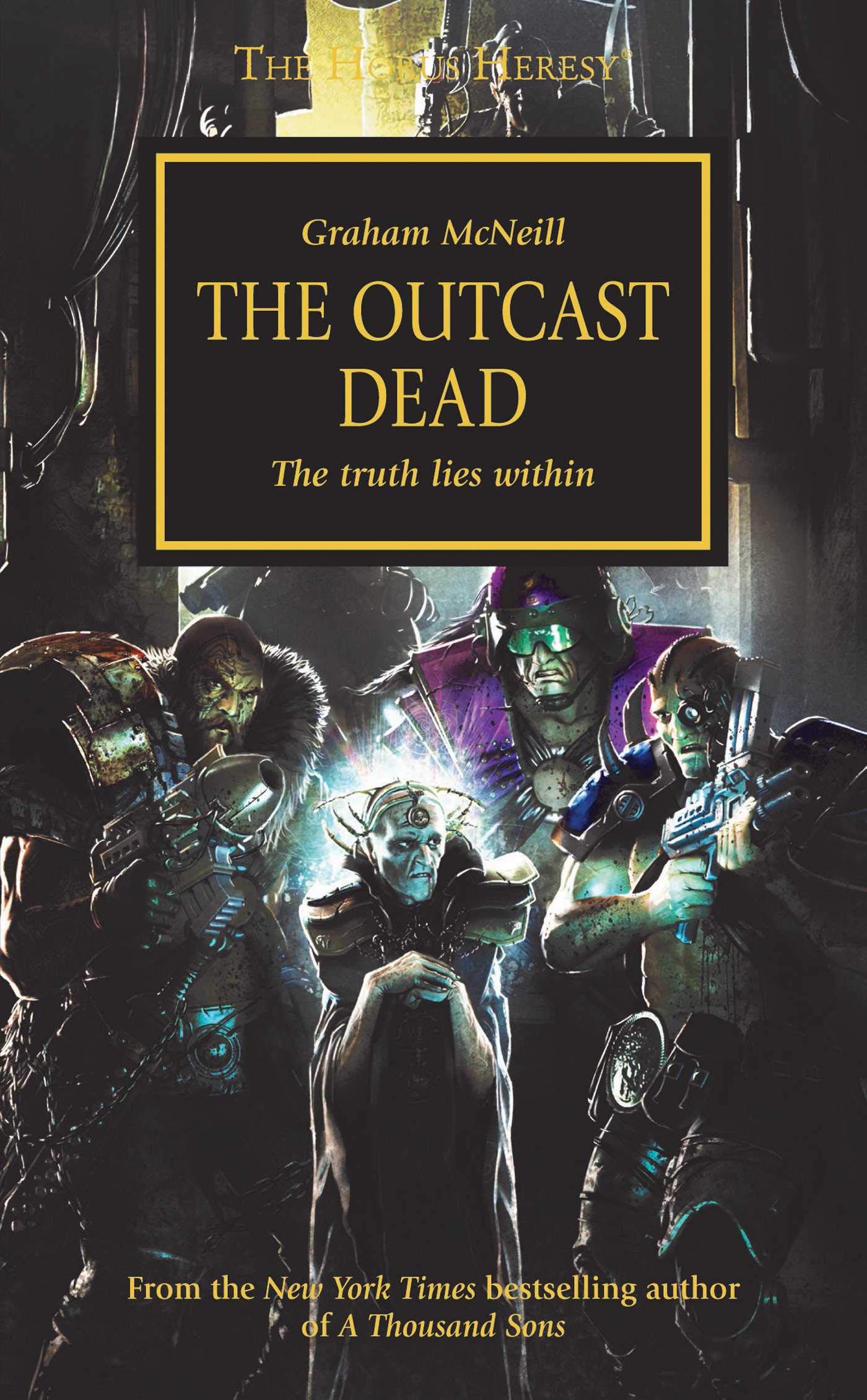
- The Outcast Dead2011 · on Amazon
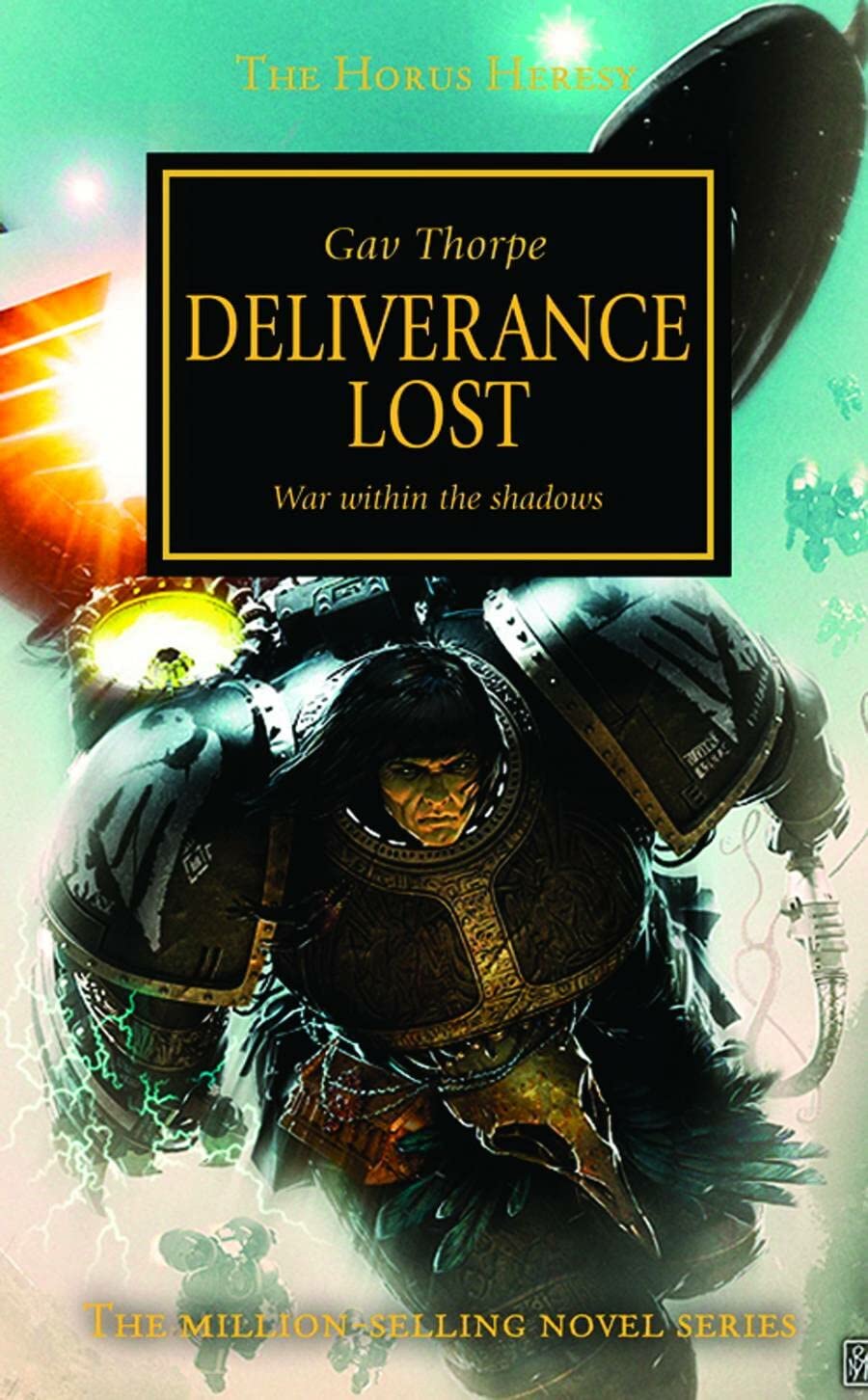
- Deliverance Lost2012 · on Amazon
- Know No Fear2012 · on Amazon

- The Primarchs2012 · on Amazon

- Fear to Tread2012 · on Amazon

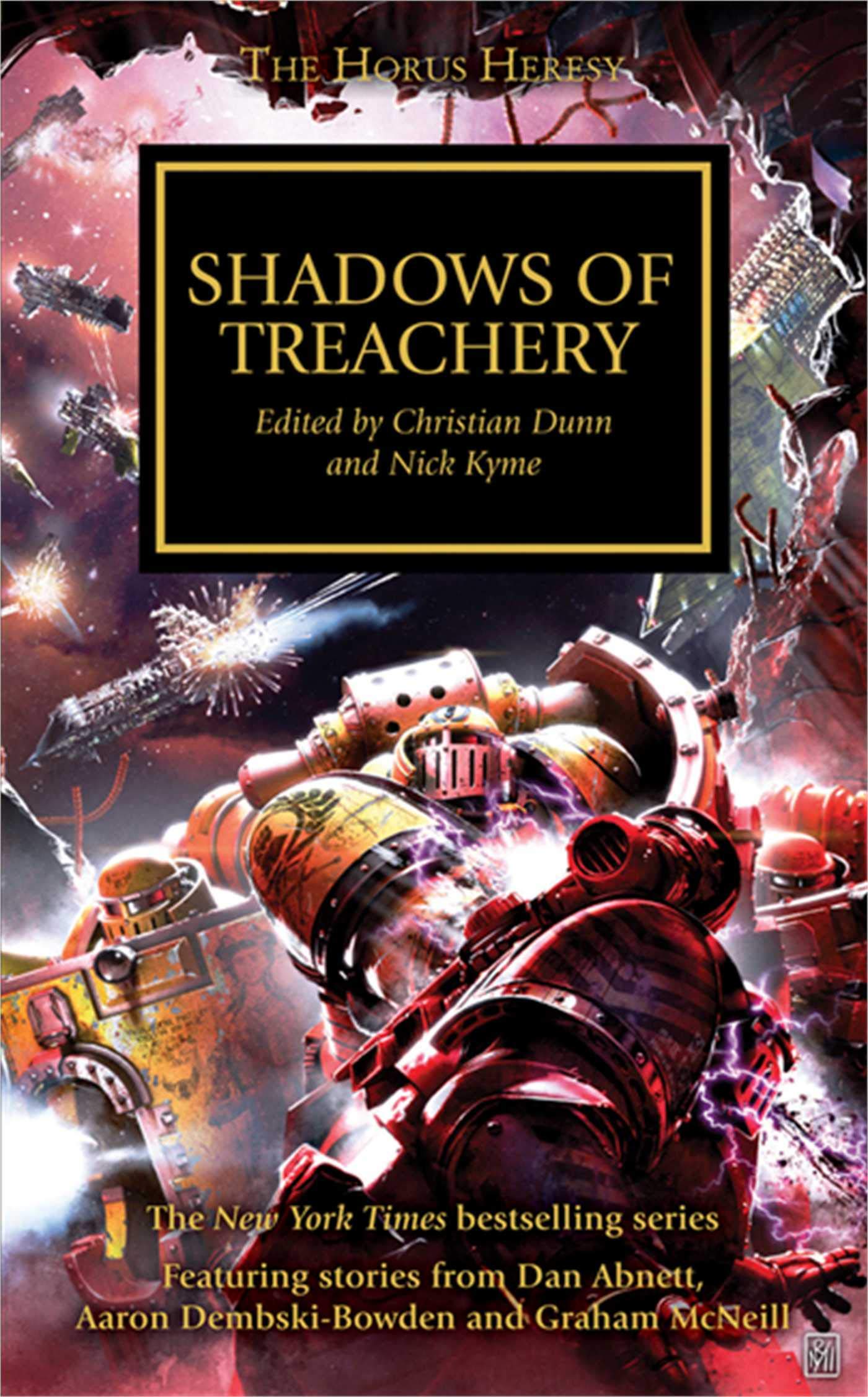
- Shadows of Treachery2012 · on Amazon
- Angel Exterminatus2012 · on Amazon

- Betrayer2012 · on Amazon

- Mark of Calth2013 · on Amazon
- Vulkan Lives2013 · on Amazon
- The Unremembered Empire2013 · on Amazon

- Scars2014 · on Amazon
- Vengeful Spirit2014 · on Amazon
- The Damnation of Pythos2014 · on Amazon

- Legacies of Betrayal2015 · on Amazon
- Deathfire2015 · on Amazon

- War Without End2016 · on Amazon
- Pharos2015 · on Amazon

- Eye of Terra2016 · on Amazon

- The Path of Heaven2016 · on Amazon

- The Silent War2016 · on Amazon

- Angels of Caliban2016 · on Amazon

- Praetorian of Dorn2016 · on Amazon

- Corax2016 · on Amazon

- The Master of Mankind2016 · on Amazon

- Garro2017 · on Amazon

- Shattered Legions2017 · on Amazon

- The Crimson King2017 · on Amazon

- Tallarn2017 · on Amazon

- Ruinstorm2017 · on Amazon

- Old Earth2017 · on Amazon

- The Burden of Loyalty2018 · on Amazon
- Wolfsbane2018 · on Amazon

- Born of Flame2018 · on Amazon

- Slaves to Darkness2018 · on Amazon

- Heralds of the Siege2018 · on Amazon

- Titandeath2018 · not reviewed
- The Buried Dagger2019 · on Amazon

- The Solar War2019 · on Amazon
- The Lost and the Damned2019 · on Amazon

- The First Wall2020 · on Amazon

- Saturnine2020 · on Amazon
- Mortis2021 · on Amazon

- Warhawk2021 · on Amazon

- Echoes of Eternity2022 · on Amazon
- The End and the Death, Volume I2023 · on Amazon

- The End and the Death, Volume II2023 · on Amazon

- The End and the Death, Volume III2024 · on Amazon

Ask LuvemBooks
Was this helpful?
- Is it worth reading?
- Nemesis is worth reading for fans of the Horus Heresy who want a tonal counterpoint to the series' Legion-focused volumes, and for newer readers seeking a more accessible, thriller-paced entry point. James Swallow brings a screenwriter's instinct for parallel plotting and momentum, and the Dagonet sequence — culminating in Horus's merciless destruction of the planet — provides genuine character weight. The key caveat is that readers who know the established lore will enter fully aware that neither assassination attempt can succeed, so the suspense depends on finding dramatic value in how the plots collide rather than whether they will.
- Similar books
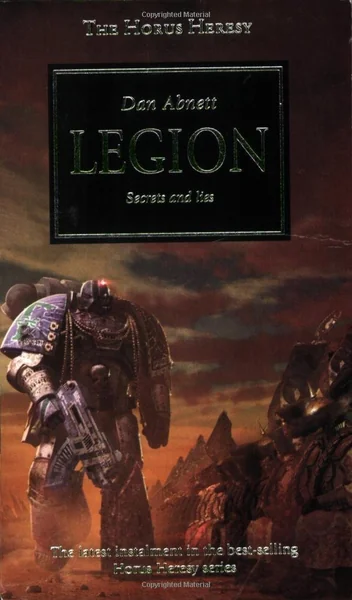
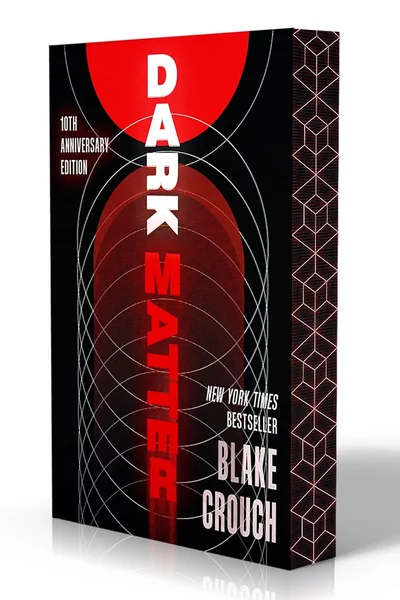
- Readers drawn to Nemesis for its place in the Horus Heresy will find natural companions in False Gods by Graham McNeill and Legion by Dan Abnett — both core entries in the series that explore the civil war's political and ideological fault lines from different angles. For readers who responded to Nemesis's thriller-paced, self-contained structure, Dark Matter by Blake Crouch offers a similarly high-momentum, identity-twisting science fiction experience outside the Warhammer universe. Deus Encarmine by James Swallow and Altered Carbon by Richard Morgan are also listed as related reads for those interested in Swallow's wider work or in science fiction with a noir edge.
- Who should read this?
- Nemesis is best suited to two overlapping groups: Horus Heresy readers who want a thriller-paced tonal detour from the series' usual Legion warfare, and newcomers to the setting who prefer a largely self-contained entry point before committing to the broader arc. Readers with a specific interest in the Officio Assassinorum — an institution that rarely receives extended treatment in the lore — will find the novel particularly rewarding. Those who require genuine outcome-uncertainty to sustain suspense, or who are primarily invested in the series' ongoing Legion-level plotlines, may find its self-contained, predetermined structure less satisfying.
- How does it compare to The Flight of the Eisenstein?
- Both Nemesis and The Flight of the Eisenstein are James Swallow's contributions to the Horus Heresy, but they occupy very different narrative spaces. The Flight of the Eisenstein is closely bound to the series' central Legion drama and the immediate fallout of the Isstvan massacres, while Nemesis is a more self-contained thriller detour focused on the Officio Assassinorum and a supernatural antagonist. Readers who found Swallow's screenwriter instincts for momentum and parallel plotting appealing in one will likely find them recognisable in the other.
- What is the Officio Assassinorum?
- The Officio Assassinorum is the Imperial institution responsible for producing elite assassins, organised into distinct Temples each specialising in a different method of killing. In Nemesis, an Execution Force is assembled by drawing one operative from each of these Temples — a structure that gives the Imperial assassination plot its thriller-ensemble dynamic. As the review notes, the Officio Assassinorum rarely receives extended treatment in the broader Horus Heresy lore, making Nemesis a relatively unusual and detailed look at this corner of the Imperium.
- How does the dual-narrative structure work?
- Swallow runs two assassination plots on a collision course — the Imperial Execution Force targeting Horus, and Spear targeting the Emperor — and the tension is sustained not by uncertainty about the macro-historical outcome but by the question of how the two forces meet and at what cost. The review draws a direct comparison to a Track of Words observation: just as Anakin Skywalker cannot be killed by a battle droid in Episode I, both plots are marked for failure from the outset. The novel's dramatic interest therefore comes from character dynamics, the nature of Spear's grotesque shapeshifting abilities, and the fate of Dagonet — particularly Horus's decision to burn the planet regardless of its people's allegiance.
Summarize this book
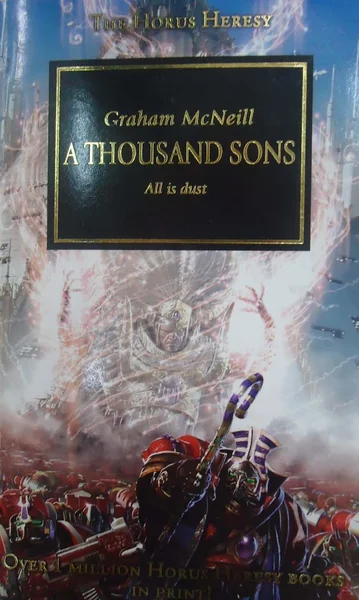
A Thousand Sons by Graham McNeill
4.4
/ 5
A Thousand Sons is the twelfth book in the Horus Heresy series, written by Graham McNeill, following Magnus the Red and his psyker legion from the Council of Nikaea through the devastating Burning of Prospero. It is one of the series' most character-driven entries, tracing how loyalty and forbidden knowledge can accelerate a fall that feels both inevitable and unjust.
View on LuvemBooks →
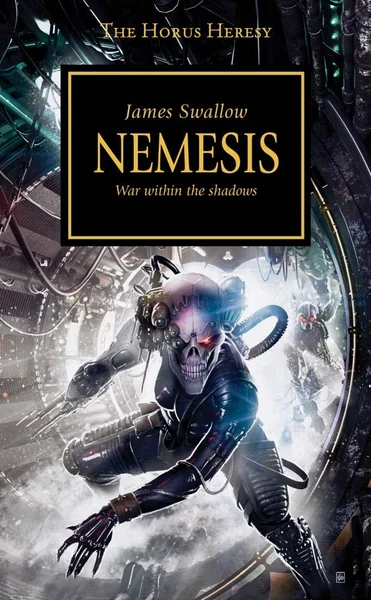
Nemesis by James Swallow
4.4
/ 5
Nemesis is the fourteenth entry in Black Library's Horus Heresy series, written by James Swallow, in which Imperial and Chaos-aligned assassins race to end the galaxy-spanning civil war by targeting its most powerful figures. It became a New York Times bestseller and stands as one of the series' more self-contained thriller detours.
View on LuvemBooks →
Follow up
Synthesized from verified book data & published reviews · How we review
Press Enter to ask. Answers come from our editorial Q&A — start typing to see related questions.
Editorial Review
Nemesis is the fourteenth entry in Black Library's Horus Heresy series, written by James Swallow, in which Imperial and Chaos-aligned assassins race to end the galaxy-spanning civil war by targeting its most powerful figures. It became a New York Times bestseller and stands as one of the series' more self-contained thriller detours.
Read the Full ReviewBooks like Nemesis
Curated picks for readers who enjoyed Nemesis, with our reasoning for each match.

If you liked Nemesis