Our reviews
1,017 books, each with who it's for, who should skip it, reading level and content notes, and every source we used.
152 reviews match
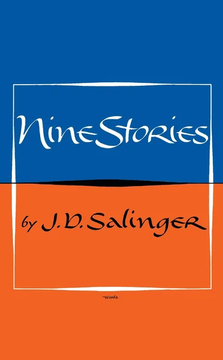
J. D. Salinger
Best for: Readers with a taste for precise, emotionally charged short fiction who are willing to sit with ambiguity — especially those tracing the arc of Salinger's work or approaching the Glass family for the first time.
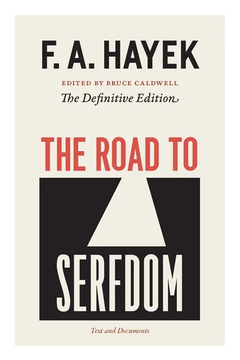
F. A. Hayek
Best for: Readers drawn to the history of economic ideas, political philosophy, or the intellectual battles of the mid-20th century who want to understand how one of the century's most important economists linked central planning to the erosion of individual liberty.
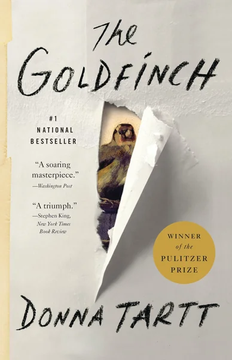
Donna Tartt
Best for: Readers drawn to large-canvas, nineteenth-century-style literary fiction who want a novel that weaves art history, grief, friendship, and moral ambiguity across an expansive, immersively plotted narrative.
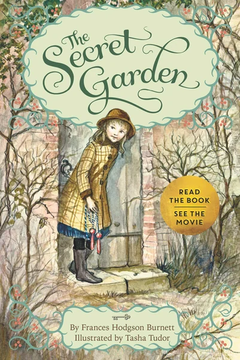
Frances Hodgson Burnett
Best for: Readers aged eight and up — and adults revisiting childhood favourites — who want a psychologically honest portrait of a difficult child, and who appreciate character-driven, atmospherically rich fiction over plot-propelled adventure.
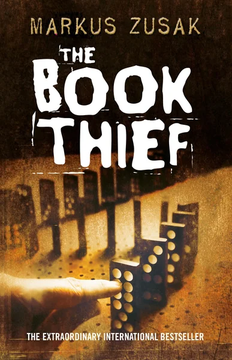
Markus Zusak
Best for: Readers — teen or adult — who want a WWII story told from an unusual, philosophically rich vantage point and are prepared for a deliberately paced, emotionally demanding novel that argues for the redemptive power of words as much as it documents the horrors of war.
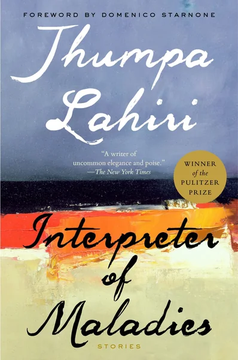
Jhumpa Lahiri
Best for: Readers drawn to psychologically precise literary short fiction who want to understand the inner life of displacement — particularly the experience of Indian and Indian American immigrants navigating cultural identity, grief, and belonging.
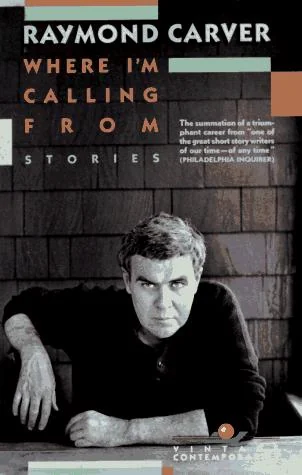
Raymond Carver
Best for: Readers drawn to literary short fiction who value emotional texture, precise prose, and the unspoken — particularly those exploring the American minimalist tradition or seeking a foundational Carver text for the first time.
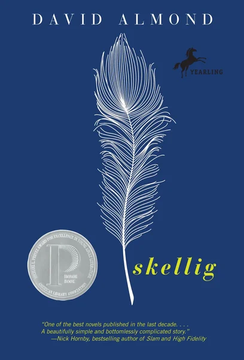
David Almond
Best for: Readers aged nine to twelve — and adults who read widely in children's literature — who are drawn to stories that sit at the boundary of the natural and supernatural, particularly those comfortable with open-ended narratives, thematic depth around childhood fear and sibling illness, and the Romantic poetry of William Blake.
