Our reviews
1,017 books, each with who it's for, who should skip it, reading level and content notes, and every source we used.
405 reviews match
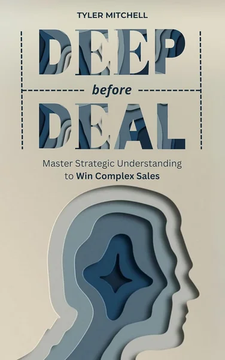
Tyler Mitchell
Best for: Sales professionals and leaders operating in complex B2B or enterprise environments — particularly those managing multi-stakeholder deals who want a structured, framework-driven approach to strategic understanding rather than a collection of transactional tactics.
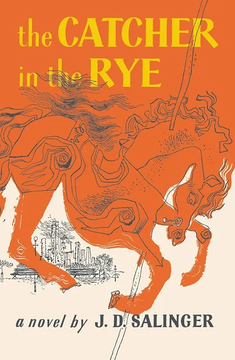
J. D. Salinger
Best for: Readers drawn to confessional, first-person narration and psychologically complex protagonists who want to understand why Holden Caulfield became a defining icon of adolescent alienation in American literature.

Maxwell Ryan
Best for: Urban renters and first-time apartment dwellers who need a structured, budget-conscious starting point for transforming a cramped or cluttered space without a designer's budget or prior decorating experience.
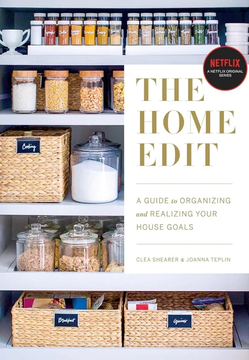
Clea Shearer, Joanna Teplin
Best for: Readers who want a visually guided, room-by-room home organization system and are drawn to the aesthetic dimension of tidiness — particularly fans of Shearer and Teplin's Netflix series or social-media content who want a structured, humor-laced framework to apply at home.
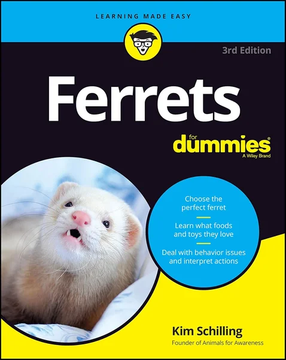
Kim Schilling
Best for: Prospective and current ferret owners — especially first-timers — who want a single, authoritative reference covering the full range of ferret care, from diet and health to ferret-proofing and behaviour, written by a specialist with three decades of hands-on experience.

Julia Barnard
Best for: First-time home decorators who want a structured, print-format introduction to foundational decorating concepts and are comfortable working from a resource published before today's design landscape.
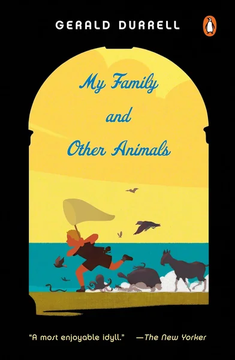
Gerald Durrell
Best for: Readers who love nature writing woven through with affectionate character comedy — particularly anyone drawn to sun-drenched memoir, eccentric family dynamics, or the natural history of the Mediterranean — will find this an ideal, unhurried read.
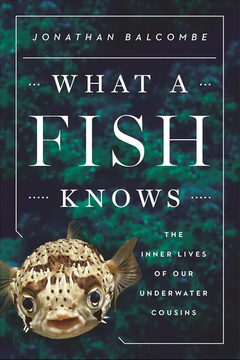
Jonathan Balcombe
Best for: General readers — aquarists, anglers, marine conservationists, or anyone curious about animal cognition — who want an accessible but rigorously sourced introduction to the science of fish sentience and behavior.
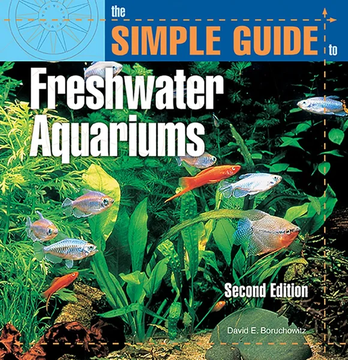
David E. Boruchowitz
Best for: First-time freshwater fishkeepers who want an integrated, plan-first guide that walks them through equipment, fish selection, and plants as a single coherent starting framework rather than a disconnected catalogue.
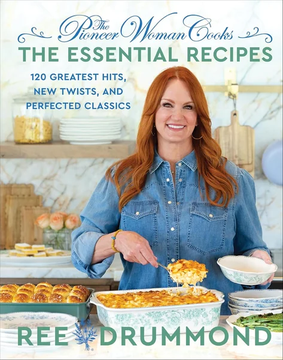
Ree Drummond
Best for: Devoted Pioneer Woman fans and family-focused home cooks who want Drummond's most-relied-upon recipes — spanning weeknight dinners to holiday traditions — consolidated, refined, and presented in a single authoritative reference.
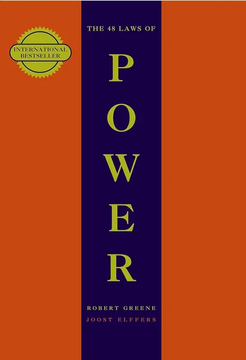
Robert Greene
Best for: Readers who want an unflinching, historically grounded analysis of how power actually operates — in workplaces, politics, creative industries, and interpersonal dynamics — and who can engage with it as a strategic and descriptive reference rather than a moral guide.
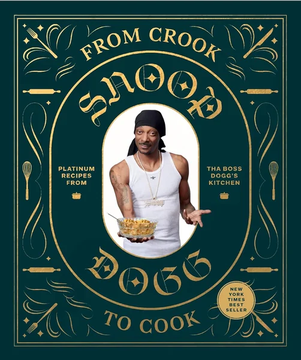
Snoop Dogg
Best for: Snoop Dogg fans, soul food enthusiasts, and anyone who wants a cookbook that doubles as a coffee-table keepsake — equally strong as a gift for someone who loves Snoop as for someone drawn to approachable, personality-driven comfort cooking.
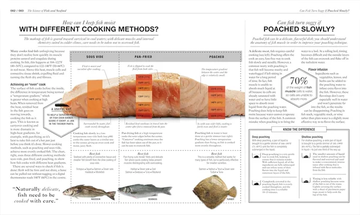
Dr. Stuart Farrimond
Best for: Home cooks who want to understand the science behind what they do in the kitchen — not just follow instructions, but grasp the why behind techniques, from pan-frying fish to making a soufflé.
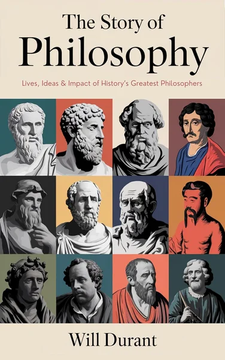
Will Durant, Original Thinkers Institute
Best for: General readers who want a single-volume, narrative introduction to the Western philosophical tradition — covering Plato through Dewey — before tackling primary texts, or anyone drawn to intellectual biography that shows how each thinker's ideas grew from those before them.

Tom Piazza
Best for: Devoted John Prine fans and readers of literary music writing who want an intimate, hybrid portrait of the man — his warmth, his origins, and his last years — rather than an exhaustive biographical survey.
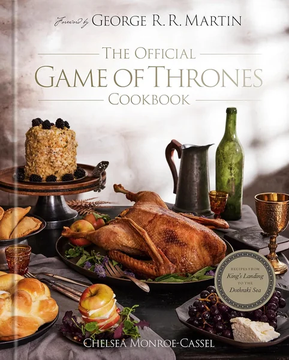
Chelsea Monroe-Cassel
Best for: Dedicated fans of A Song of Ice and Fire or Game of Thrones who want to cook their way through the fictional world's food culture, and collectors who value an officially sanctioned volume bearing George R. R. Martin's foreword and the Random House Worlds imprint.
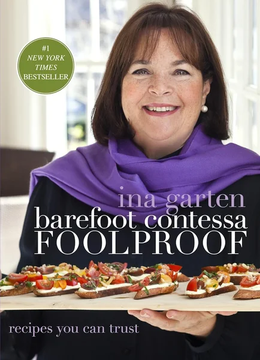
Ina Garten
Best for: Home cooks who already have some kitchen confidence and want a mentor-like system for hosting — specifically those who've felt the anxiety of timing multiple dishes at once and want embedded troubleshooting and make-ahead strategies built into every recipe.
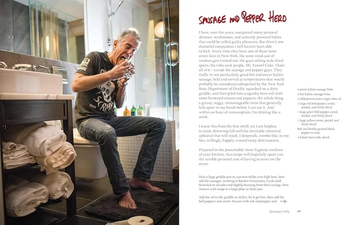
Anthony Bourdain, Laurie Woolever
Best for: Devoted Bourdain fans and home cooks who want an opinionated, personality-driven core repertoire built from forty-plus years of professional cooking and global travel — and who are comfortable with a voice that is frank, profane, and unapologetically partial.
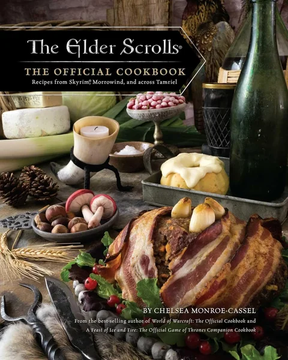
Chelsea Monroe-Cassel
Best for: Elder Scrolls fans who want to extend their connection to Tamriel into the kitchen — whether cooking for themselves, hosting a themed game night, or giving a gift to a fellow franchise devotee.
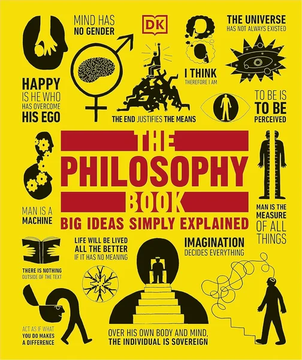
D.K. Publishing
Best for: Curious general readers — students, self-directed learners, and intellectually minded gift recipients — who want a visually rich, historically connected overview of philosophy from antiquity to the modern age without committing to dense academic texts.
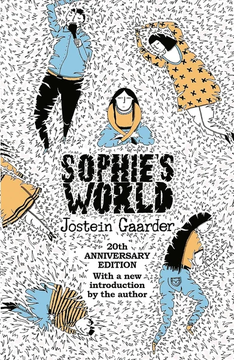
J. Gaarder
Best for: Curious readers — from engaged teenagers to adults — who want a genuine, substantive introduction to the history of Western philosophy and are willing to receive it through the vehicle of a mystery novel with a mind-bending metafictional twist.
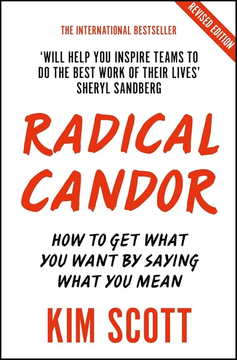
Kim Scott
Best for: Managers and team leads — especially those stepping into leadership roles for the first time — who want a concrete, nameable framework for giving and receiving honest feedback without sacrificing genuine care for the people they lead.
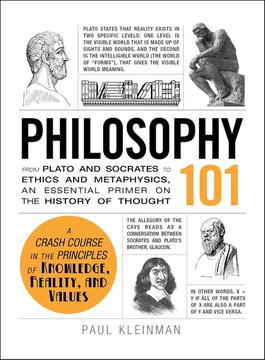
Paul Kleinman
Best for: Intellectually curious adults — self-directed learners, students about to take their first philosophy course, or general readers who've encountered terms like "utilitarianism" or "Cartesian dualism" in podcasts or journalism and want a reliable, structured orientation without enrolling in a university course.
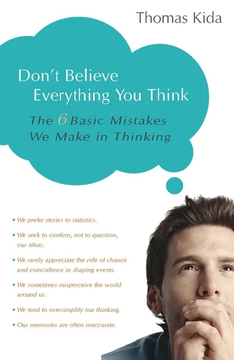
Thomas E. Kida
Best for: Curious non-specialists — including skeptic-community members, introductory critical-thinking students, and motivated general readers — who want a structured, research-backed explanation of why smart people hold demonstrably false beliefs and what mental habits can counteract that tendency.
