
7 min read
4.6
· 4,007 Amazon ratingsShare This Review
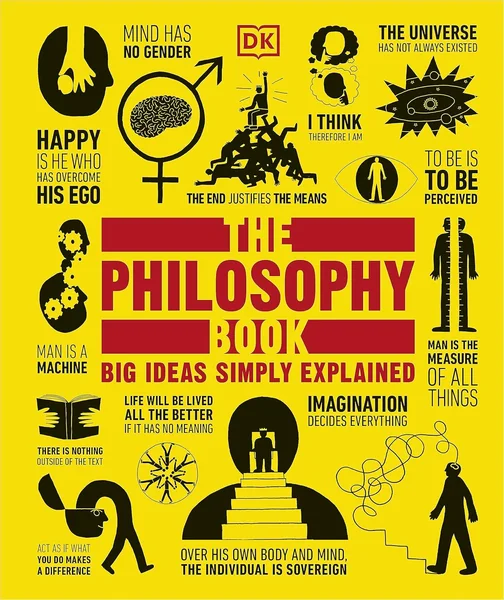
The Philosophy Book: Big Ideas Simply Explained by DK Publishing Review: A Sweeping, Accessible Reference to Philosophy
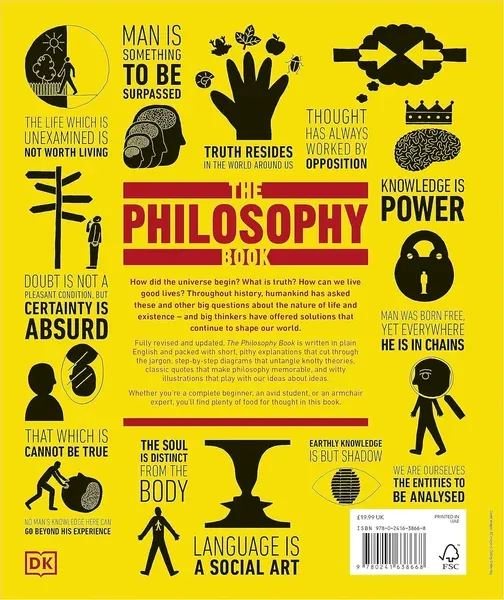
DK Publishing's The Philosophy Book: Big Ideas Simply Explained is a visually driven illustrated reference guide that surveys the history of philosophical thought — from antiquity to the modern age — designed to make foundational concepts in ethics, politics, and metaphysics accessible to beginners and established readers alike, as part of DK's award-winning, multimillion-copy Big Ideas Simply Explained series.
 Tap to enlarge
LuvemBooks Verdict
Best for
Curious general readers — students, self-directed learners, and intellectually minded gift recipients — who want a visually rich, historically connected overview of philosophy from antiquity to the modern age without committing to dense academic texts.
Worth it if
You want a well-structured, design-forward reference that lets you dip in and out by thinker or era, and that uses mind maps and biography boxes to show how philosophical ideas connect rather than simply listing them.
Skip if
You already have a solid grounding in philosophy and are looking for sustained, rigorous engagement with primary texts or nuanced academic argument — the survey format necessarily compresses complex debates into condensed summaries.
What readers & critics say
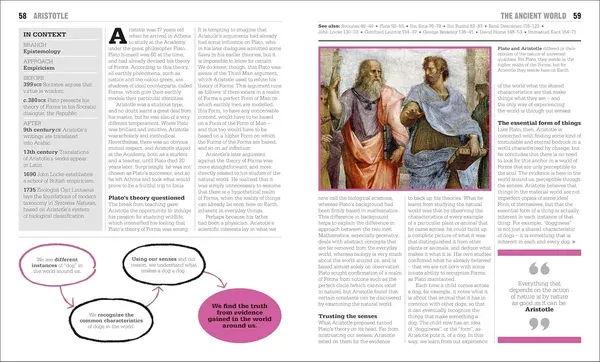
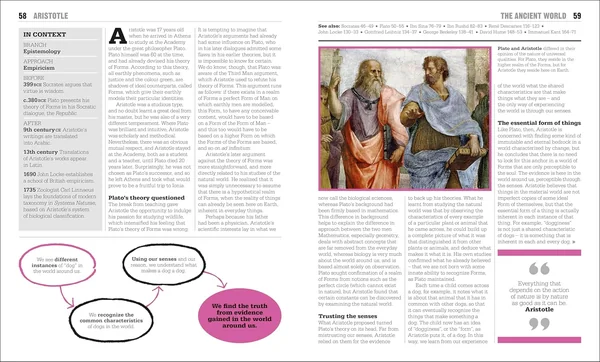
Spoiledmilks.com describes the book as "a good primer" for readers with an interest in philosophy who don't know where to start, praising its layout. Nateshivar.com notes that major philosophers each get their own spreads highlighting key contributions, while joplinpubliclibrary.org observes that the series follows a consistent, illustrated layout across its titles — including a structured table of contents, thematic sections, and reference tools such as a directory and glossary in the philosophy volume.
Sources: Spoiled Milks, Nate Shivar, Joplin Public LibraryAge & Reading Level
Recommended age
Adult
Reading level
Adult
who it suits
Skip if you want rigorous, sustained engagement with primary philosophical texts rather than an illustrated survey.
In This Review
- What Works & What Doesn't
- What the Book Is and What It Covers
- Its Place in the Big Ideas Series
- Strengths: Structure and Visual Accessibility
- Genuine Limitations
- Who This Book Is For
What Works & What Doesn't
What Works
- Part of DK's award-winning, multimillion-copy Big Ideas Simply Explained series — a proven illustrated reference format
- Covers the full sweep of philosophy from antiquity to the modern age, including ethics, politics, and metaphysics
- Mind maps and biography/context boxes structurally connect ideas and thinkers across history, not just list them in isolation
- Designed to serve both complete beginners and readers refreshing existing knowledge
- Published by the world's leading illustrated reference publisher with the backing of Penguin Random House
What Doesn't
- Survey-level format compresses complex philosophical arguments, making it unsuitable for readers seeking in-depth academic engagement
- The graphic-driven Big Ideas template can reduce nuanced debates to headline summaries, a trade-off inherent to the illustrated-reference genre
What the Book Is and What It Covers

Its Place in the Big Ideas Series
Strengths: Structure and Visual Accessibility
Genuine Limitations
Who This Book Is For
Frequently Asked Questions
Sources & Further Reading
The key facts and claims in this review are grounded in the retrieved, verified sources listed below.
- Cited in this review
- 1
thebookbungalow.com
- 2
- 3
- Further reading
- 4
- 5
- 6
- 7
joplinpubliclibrary.org
- 8
nateshivar.com
Related Reviews
Reviews of books we picked for readers who enjoyed DK The Philosophy Book Big Ideas Simply Explained.



Reader Comments
No comments yet
Be the first to share your thoughts!