Our reviews
315 fiction books we've reviewed, each with who it's for, who should skip it and every source we used.
315 reviews
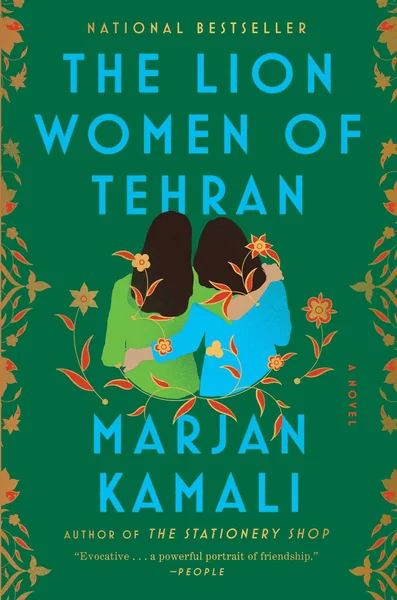
Marjan Kamali
Best for: Readers who love sweeping, historically grounded friendship sagas — particularly those drawn to modern Iranian history and women's resistance narratives — who responded to Kamali's earlier The Stationery Shop and are ready to invest in a seven-decade story.
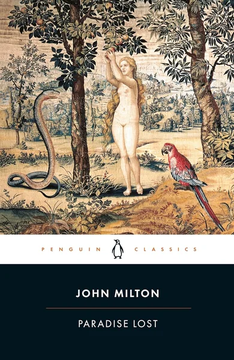
John Milton
Best for: Students, first-time readers seeking scholarly support, and returning readers who want to engage seriously with one of the greatest and most demanding poems in the English language — particularly in this Penguin Classics edition with John Leonard's editorial introduction and apparatus.
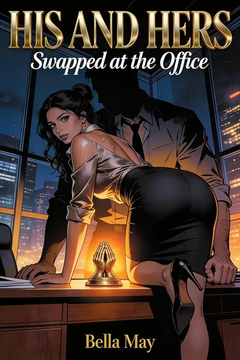
Bella May
Best for: Readers who enjoy high-concept romantic short fiction and want a complete, feel-good office body-swap story they can finish in a single sitting on their Kindle.
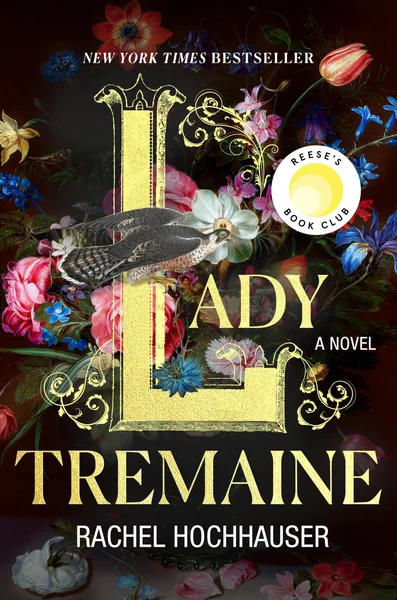
Rachel Hochhauser
Best for: Readers drawn to feminist historical fiction who want a fully rehabilitated "villain" — specifically those who enjoy class-conscious, survival-driven narratives and fairytale retellings that interrogate whose story gets told and why.
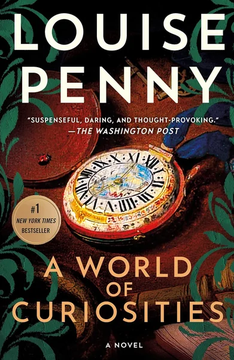
Louise Penny
Best for: Devoted fans of the Gamache series who have followed Armand and Jean-Guy Beauvoir through all seventeen previous novels and are ready for the long-awaited, emotionally charged backstory of their partnership.
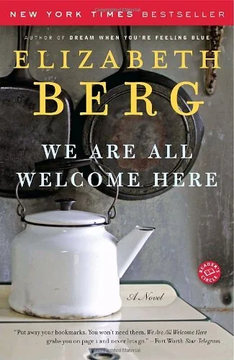
Elizabeth Berg
Best for: Readers who gravitate toward character-driven, emotionally accessible historical fiction and want a story about the texture of daily survival — particularly book clubs looking for a novel that opens up questions about resilience, maternal determination, and the civil rights era through an intimate domestic lens.
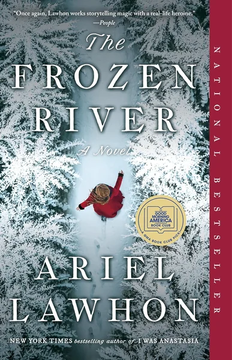
Ariel Lawhon
Best for: Readers drawn to women's history and early American life who want a historically grounded mystery anchored by a quietly formidable protagonist — particularly those who enjoy fiction built on real documented lives and legal-social stakes.
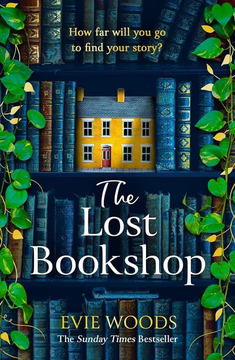
Evie Woods
Best for: Bibliophile readers who revel in bookshop atmospheres, literary history, and dual-timeline mysteries — particularly those drawn to women's fiction with real thematic weight and a taste for magical realism alongside period detail.
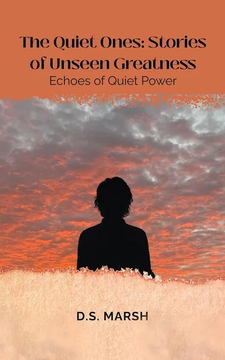
D.S. Marsh
Best for: Readers drawn to literary nonfiction who want to encounter themes of leadership, influence, and character through human narrative rather than business frameworks or self-help rubrics — particularly those interested in overlooked, quietly consequential lives.
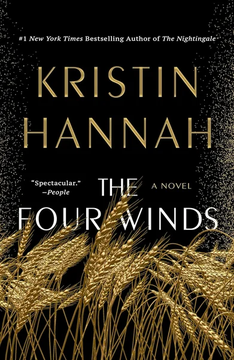
Kristin Hannah
Best for: Readers who love emotionally driven, female-centered historical fiction and want an unflinching saga of Depression-era and Dust Bowl hardship anchored by a resilient protagonist whose arc from outcast to survivor delivers sustained cathartic power.
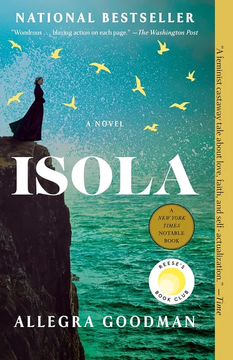
Allegra Goodman
Best for: Readers of literary historical fiction who are drawn to feminist survival narratives, single-protagonist interiority, and stories of largely forgotten women reclaimed from history — particularly those who enjoy Reese's Book Club selections with genuine literary depth.
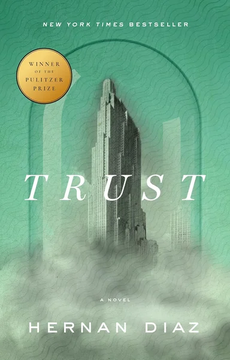
Hernan Diaz
Best for: Readers drawn to metafiction and novels that interrogate narrative form itself — particularly those fascinated by how extreme wealth, capital, and power shape (and distort) historical record.
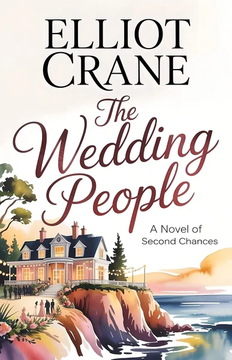
Elliot Crane
Best for: Readers who have specifically sought out Elliot Crane's Kindle-only novel and want a clear-eyed account of what the verified product listing does and does not confirm before purchasing.
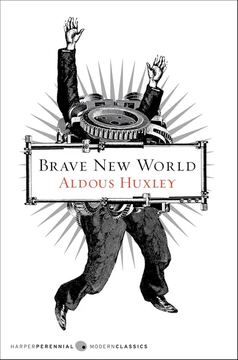
Aldous Huxley
Best for: Readers drawn to novels of ideas — particularly those curious about how dystopian fiction interrogates freedom, technology, and social control — who want to understand the canonical counterpart to Orwell's Nineteen Eighty-Four.
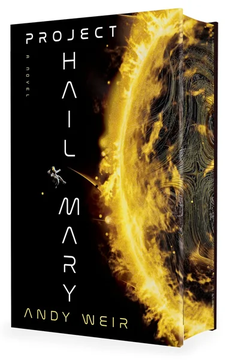
Andy Weir
Best for: Readers who love hard science fiction that doubles as a propulsive thriller — particularly fans of The Martian who want scientifically rigorous problem-solving, extinction-level stakes, and genuine emotional warmth delivered through a first-person, puzzle-driven narrative.
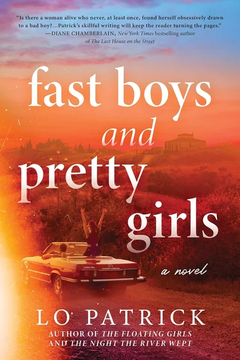
Lo Patrick
Best for: Readers of literary Southern fiction who want a mystery used as a scaffold for excavating character and memory — specifically those drawn to psychologically dense, dual-timeline narratives about first love, family wounds, and the weight of the past set in a vividly atmospheric North Georgia landscape.
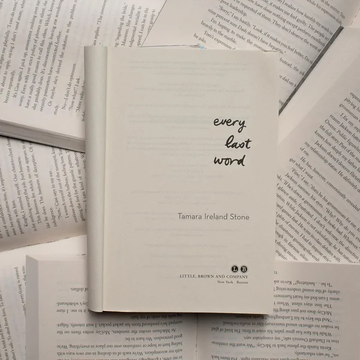
Tamara Ireland Stone
Best for: Teens and young adult readers drawn to emotionally interior mental health narratives — particularly those who want OCD portrayed through its cognitive and psychological reality rather than through visible behavioral tics, and who enjoy a realistic contemporary setting with a secret-society hook and a structural twist.
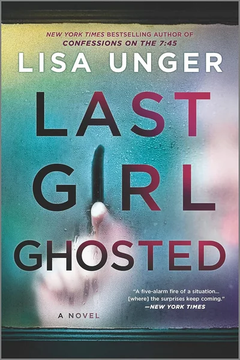
Lisa Unger
Best for: Readers drawn to first-person psychological thrillers where the narrator is as much a mystery as the central suspect, particularly those who find the anonymity of online dating culture genuinely unsettling.
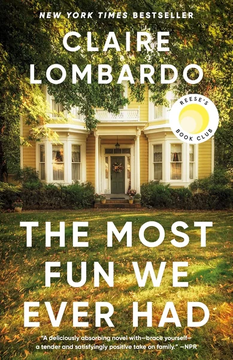
Claire Lombardo
Best for: Readers who love expansive American family sagas — think Anne Tyler or Jonathan Franzen — and want a multigenerational novel that balances dark comedy, sisterly rivalry, and a decades-long love story with genuine literary ambition.
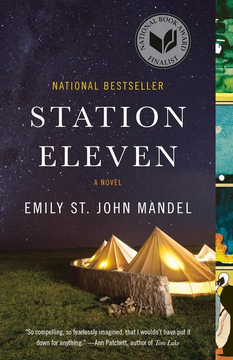
Emily St. John Mandel
Best for: Readers who want a single novel to satisfy both their literary and speculative fiction appetites — particularly those drawn to questions of art, memory, and what civilisation is actually for, rendered through interwoven human lives rather than genre mechanics.
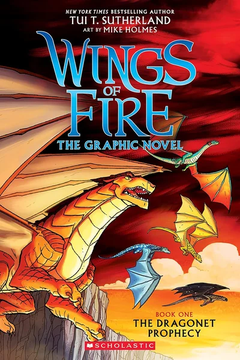
Tui T. Sutherland
Best for: Young readers aged 7–12, especially emerging or reluctant readers who want an accessible visual gateway into one of middle-grade fantasy's biggest worlds before tackling the full prose series.
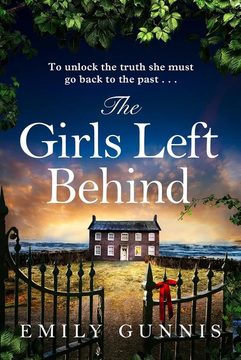
Emily Gunnis
Best for: Readers who enjoy character-driven British crime fiction with a strong historical dimension — particularly those drawn to stories of institutional injustice, wronged women, and multi-generational mystery, and who already love Emily Gunnis's debut, The Girl in the Letter.
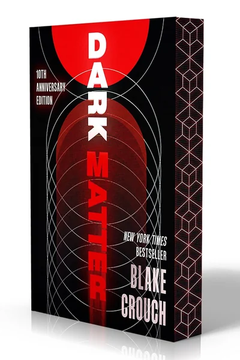
Blake Crouch
Best for: Readers who enjoy fast-paced speculative thrillers that use a high-concept science fiction premise — here, the many-worlds interpretation of quantum mechanics — as the engine for an emotionally grounded story about identity, regret, and the love of a specific family.
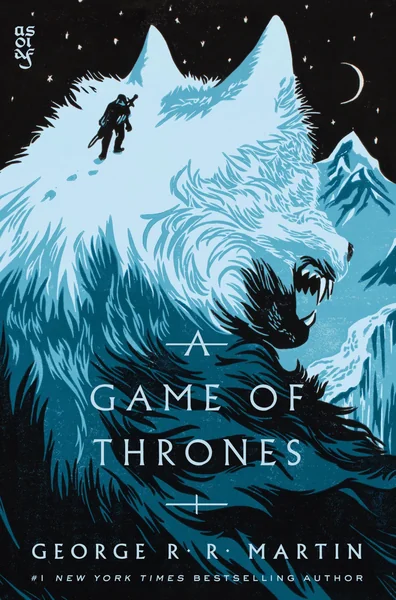
George R. R. Martin
Best for: Readers who relish densely plotted political fiction with a cast of morally compromised characters, high stakes across multiple storylines, and a willingness to see genre conventions upended — particularly those who can commit to a long, as-yet-unfinished series.
