8 min read
4.4
· 175 Amazon ratingsShare This Review

Our review
The Hunchback of Notre-Dame
The Hunchback of Notre-Dame by Victor Hugo Review: A Towering Gothic Classic, Demanding but Essential
Victor Hugo's 1831 French Gothic novel — originally titled Notre-Dame de Paris — is a cornerstone of world literature, centering on the deformed bell-ringer Quasimodo, the Romani street dancer Esmeralda, and the obsessive Archdeacon Claude Frollo against the vivid backdrop of 15th-century Paris. This Kindle edition presents the text as complete and unabridged, making it a substantive entry point to a novel considered a classic of French literature. Its ambitions run far beyond a love triangle: Hugo designed the work as a sustained argument for the preservation of Gothic architecture and France's cultural heritage, and readers who come expecting a streamlined narrative will encounter something richer, stranger, and more architecturally digressive than the story's many film adaptations imply.
LuvemBooks Verdict
Best for
Readers who know Hugo primarily through film or stage adaptations and want to encounter the full, unabridged novel he actually wrote — complete with its architectural arguments, moral complexity, and tragic arc.
Worth it if
You're prepared to meet Hugo on his own terms: a Romantic novelist with a civic thesis, whose extended digressions on Gothic architecture and medieval Parisian history are as integral to the work as the tragedy of Quasimodo, Esmeralda, and Frollo.
Skip if
Readers expecting a plot-driven romance in the vein of the Disney film or other screen adaptations are likely to find the novel's lengthy architectural and historical essays a frustrating interruption to the story they came for.
What readers & critics say
Wikipedia classifies the novel as a model of Romantic literary themes and considers it a classic of French literature, noting its sweeping adaptations across more than a century of film and stage. Reader reviews, including one at onereadingnurse.com, caution that the unabridged text is "very much a struggle" and amounts to "an actual history and architecture lesson during story breaks," particularly for those without prior knowledge of French history.
Sources: Wikipedia, onereadingnurse.comAsk LuvemBooks
Was this helpful?
- Is it worth reading?
- For readers willing to meet Hugo on his own terms, The Hunchback of Notre-Dame is considered a cornerstone of world literature and a classic of French literature, with a documented cultural impact that helped spur real-world restoration of Gothic architecture in France — an unusual historical consequence even among great nineteenth-century novels. The three central figures — Quasimodo, Esmeralda, and Frollo — are drawn with genuine moral complexity that no screen adaptation has fully captured. The key caveat is Hugo's extended digressions on medieval architecture and Parisian history, which interrupt narrative momentum and have challenged readers expecting a plot-driven story. Those who approach it as something richer and stranger than its adaptations suggest will find a rewarding, substantive read.
- Similar books
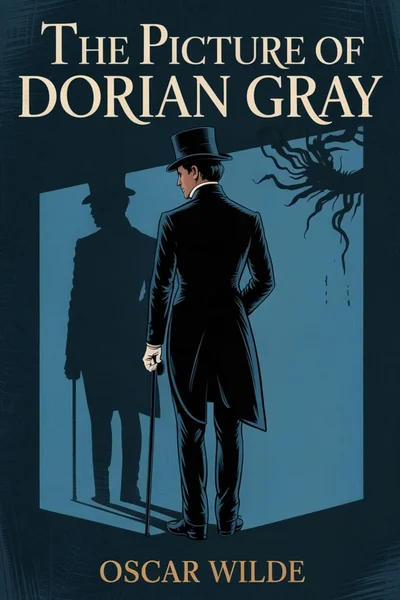
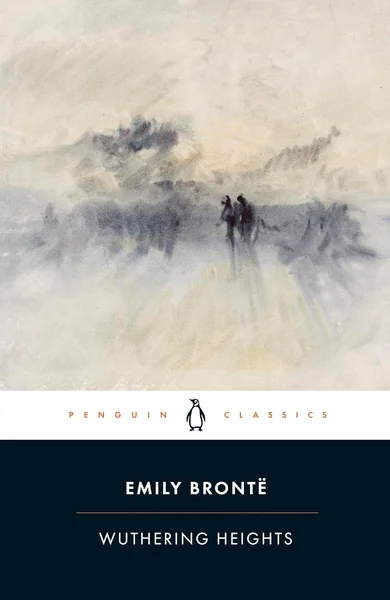
- Readers drawn to The Hunchback of Notre-Dame's blend of Gothic atmosphere, moral complexity, and outsider characters will find strong companions in several nearby works. Oscar Wilde's The Picture of Dorian Gray shares the Gothic preoccupation with beauty, corruption, and the cost of obsession. John Milton's Paradise Lost offers a similarly ambitious treatment of fallen figures — including a morally complex antagonist — within a vast architectural and theological framework. Sylvia Plath's The Bell Jar, while set in the twentieth century, resonates with Hugo's themes of social marginalization and a protagonist condemned by a world that cannot accept her. Beyond the catalogue, Hugo's own Les Misérables and Emily Brontë's Wuthering Heights share the Romantic preoccupation with impossible love and social outcasts that defines this novel.
- Who should read this?
- This edition is best suited to patient readers — secondary school students through adults — who are willing to engage with a novel that is as much a sustained argument about Gothic architecture and French cultural heritage as it is a human tragedy. It is essential reading for anyone who knows Hugo primarily through adaptations, particularly the 1996 Disney film, since the unabridged text is the corrective that restores the scope and tragic arc of the novel Hugo actually wrote. Readers with even a passing interest in 15th-century French history, medieval architecture, or the Romantic literary tradition will find the experience significantly richer. Those seeking a fast-paced plot-driven romance should look elsewhere.
- What age is it for?
- Best for ages 12 and up. This Kindle edition carries a suggested reading age of 12–18, placing it in the young adult and secondary school range, though adults encountering the novel for the first time will find it equally rewarding. The novel's themes of obsession, social marginalization, and violent tragic consequence — along with Hugo's demanding sentence constructions and extended historical and architectural digressions — suit confident readers in their early teens and above rather than younger children.
- Tell me about the adaptations
- Few nineteenth-century novels have generated as many adaptations as The Hunchback of Notre-Dame. A 1923 silent film starred Lon Chaney as Quasimodo; a 1939 adaptation featured Charles Laughton in the role; a 1956 version starred Anthony Quinn. The most widely seen adaptation is the 1996 Disney animated film, with Tom Hulce voicing Quasimodo — a version that substantially simplifies the novel's scope, tone, and tragic arc. The breadth of adaptation across more than a century speaks to the novel's grip on the cultural imagination, but readers should be aware that every screen version departs significantly from Hugo's original, and none captures the novel's extended architectural and historical argument.
- What are the main themes?
- The Hunchback of Notre-Dame operates on several interlocking thematic levels. At its human core are impossible love, social marginalization, and the destructive power of obsession — Quasimodo's deformity excludes him from the society he inhabits, Esmeralda is condemned as a Romani outsider, and Frollo's religious authority collapses into dangerous fixation. At its civic and architectural level, the novel is a sustained argument for the preservation of Gothic architecture and France's cultural heritage, with Notre-Dame Cathedral functioning as both structural anchor and symbol of an irreplaceable past. Hugo also deploys the full Romantic literary arsenal — sharp moral contrasts between beauty and ugliness, the marginalised individual versus society, and the grandeur of medieval Paris as a lost world.
- What's the reading level?
- This Kindle edition carries a suggested reading age of 12–18, placing it in the young adult range, though adults will find it equally demanding and rewarding. Hugo's sentence constructions are lengthy and complex, and the novel's extended digressions on medieval architecture and Parisian history require patience and, ideally, some prior familiarity with 15th-century French history. The Kindle edition includes Word Wise support and enhanced typesetting, which may ease readability for younger or developing readers working through Hugo's more challenging passages.
Summarize this book
Follow up
Synthesized from verified book data & published reviews · How we review
What would you like to know about The Hunchback of Notre-Dame?
Answers come from our editorial notes on this book. If we haven't covered something, we'll say so.
Readers often ask
Our Review
What the Novel Actually Is — and What It Argues
The Novel's Place in Literature and Culture
Genuine Strengths: Romanticism at Full Pitch
Real Limitations: Pacing and the Architecture Digressions
Who This Edition Is For and How It Delivers
Sources & Further Reading
The key facts and claims in this review are grounded in the retrieved, verified sources listed below.
- Cited in this review
- 1
en.wikipedia.org
- 2
- 3
- Further reading
- 4
- 5
- 6
- 7
wayfaringflaneur.com
- 8
- 9
Age & Reading Level
Recommended age
Ages 12–18
Reading level
Young adult
3 content notes · who it suits
Content to know about
Best for: Ages 12+ — complex Romantic literary themes, extended historical and architectural density, and a tragic narrative arc suit confident readers in early secondary school and above.
Skip if you're looking for the uplifting romantic adventure of the Disney adaptation — the novel's scope, tone, and tragic ending are substantially different from any screen version.
Reader reviews
Be one of the first readers to answer.
Read it? Was it right for you?
Books like The Hunchback of Notre-Dame
Curated picks for readers who enjoyed The Hunchback of Notre-Dame, with our reasoning for each match.

If you liked The Hunchback of Notre-Dame