BOOKS
Published
Read Time
6 min read
Our Rating
4
Reviewed by
LuvemBooks
Share This Review
As Sure as the Dawn by Francine Rivers – Christian Fiction Review
Our Rating
4
As Sure as the Dawn closes the Mark of the Lion trilogy with emotional honesty and a genuinely compelling protagonist, though uneven pacing in the middle sections keeps it just short of the series' high points. Rivers delivers a theologically serious, historically grounded finale that rewards readers who have traveled the full journey.
In This Review
- What Works & What Doesn't
- Faith in the Arena: What This Novel Is Really About
- Atretes and Rizpah: Characters Carrying Heavy Weight
- Rivers's Prose and the Problem of Pacing
- Redemption Under Pressure: The Theological Core
- Content and Audience Considerations
- A Trilogy's End: Does Rivers Deliver?
- Where to Buy
What Works & What Doesn't
What Works
- Atretes is one of the most psychologically complex protagonists in Christian historical fiction
- The early Christian communities are depicted with refreshing realism, not idealization
- Rizpah is a genuinely strong female character whose faith creates meaningful conflict
- The historical setting is rendered with texture and credibility
- The theological themes earn their weight through drama rather than declaration
What Doesn't
- The middle section covering Germanic tribal territory stretches the pacing significantly
- Occasional moments of explicit theological dialogue tip toward didacticism
- The final act feels rushed relative to the novel's extended buildup
Faith in the Arena: What This Novel Is Really About

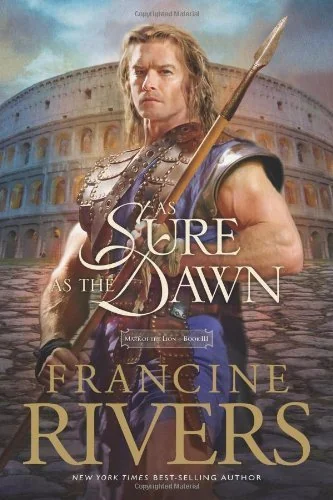
Is As Sure as the Dawn worth reading as the concluding volume of one of Christian fiction's most celebrated trilogies? A deeply satisfying but occasionally slow conclusion, it earns its ending through psychological honesty rather than easy grace. Francine Rivers closes her Mark of the Lion series with a novel set in the brutal landscape of ancient Rome and Germania, following Atretes — described as a fierce Germanic warrior and former gladiator — as he navigates freedom, fatherhood, and a faith he did not ask for. Note: Character details have not been independently verified and are drawn from the review author's reading of the text.
Where the first two novels placed Roman culture and early Christianity in sharp collision, this third volume shifts the lens. The story moves outward, geographically and spiritually. Readers who enjoyed A Voice in the Wind and An Echo in the Darkness will find familiar thematic territory here — the tension between Roman imperial power and the radical humility of the early church — but with a protagonist whose resistance to conversion is rawer, more stubborn, and in many ways more compelling.
Atretes and Rizpah: Characters Carrying Heavy Weight
The novel's central relationship is its engine. Atretes is shaped entirely by violence and loss. His return to Germania with his infant son should signal freedom, but Francine Rivers refuses to let him rest easily in that narrative. Rizpah, a Christian widow tasked with caring for his child, travels alongside him as something between a companion and a conscience — at least as depicted in this volume.
What makes this pairing work is the friction Rivers maintains throughout. Atretes does not soften quickly or neatly. His suspicion of Rizpah's faith reads as psychologically honest rather than dramatically convenient. Rivers avoids the easy resolution of having him arrive at belief as a reward for suffering — at least for most of the novel. The cost of faith, and the cost of refusing it, registers in both characters with genuine weight.
Rizpah is a notably well-drawn creation in this Francine Rivers novel. She is not passive. Her faith does not exist as a softening device for Atretes. She holds convictions that create real conflict, and she carries losses of her own that the narrative respects rather than minimizes.
Rivers's Prose and the Problem of Pacing
Francine Rivers writes with clarity and discipline. Her sentences move efficiently. The Roman-era setting is rendered with enough historical texture to feel grounded without becoming an archaeological catalog. For readers who come to Rivers from general literary fiction — or who know Redeeming Love — the prose here will feel familiar: direct, purposeful, unshowy.
The pacing, however, is uneven. Portions of the novel expand significantly as the narrative travels into Germanic tribal territory. This accomplishes important things thematically, grounding Atretes in the culture that formed him and complicating his sense of belonging. But it stretches. Readers who came for the Roman-Christian tension of the earlier volumes may find themselves impatient. The main weakness is that the novel's resolution arrives feeling slightly rushed after a prolonged middle section that could have been tightened.
Rivers is at her best when she allows the spiritual stakes to emerge through action and relationship rather than through explicit declaration. The novel is occasionally less successful when characters articulate their theological positions too directly, veering toward didacticism that the story's own drama doesn't need.
Redemption Under Pressure: The Theological Core
The Mark of the Lion series has always been about the implausibility of grace — why anyone embedded in Roman power, Roman violence, or Roman despair would choose the stripped-down, socially dangerous faith of early Christianity. As Sure as the Dawn pushes that question hardest, because Atretes has the least obvious reason to yield.
For readers interested in faith and redemption themes, this novel offers something more textured than a simple conversion narrative. Rivers takes seriously what belief costs — community, identity, the comfort of hatred as a motivating force. The early Christian communities depicted here are fractured, frightened, occasionally petty, and trying to hold together something fragile. That honesty gives the spiritual content more credibility than it would have if the church were presented as a warm refuge from Roman brutality.
Content and Audience Considerations
This is adult Christian historical fiction with mature content. The novel depicts violence — including gladiatorial combat referenced from prior events — as well as the realities of infant vulnerability, marital tension, and tribal warfare. The content is handled with purpose rather than gratuitousness, but parents considering this for younger teen readers should be aware that Rivers does not soften the brutality of the ancient world.
Appropriate for readers 16 and older, and particularly suited to those who have read the preceding two novels in the series. Reading As Sure as the Dawn without the context of A Voice in the Wind and An Echo in the Darkness is possible but significantly diminishes the emotional payoff.
Readers who appreciate historical Christian fiction in the spirit of Ben-Hur, or who enjoy authors like Bodie Thoene, will find themselves in recognizable territory. But Francine Rivers's psychological specificity gives Atretes and Rizpah an interiority — the rage behind his resistance, the grief behind her patience — that sets this series apart from more episodic historical fiction in the genre.
A Trilogy's End: Does Rivers Deliver?
The honest answer is: mostly, yes. As Sure as the Dawn resolves its central relationships with emotional integrity. The conclusion does not feel unearned, though it arrives somewhat abruptly after extended middle sections. Atretes's arc within this novel — and across the trilogy as a whole, to the extent he appears throughout — represents one of the more carefully constructed character journeys in modern Christian fiction, and Francine Rivers earns the ending she gives him, even if the path there is occasionally slow.
For readers who have followed the Mark of the Lion series, this is an essential and satisfying conclusion. For those new to Francine Rivers, starting here would be a mistake. The novel's power is almost entirely dependent on what came before.
Where to Buy
If you've followed Atretes through A Voice in the Wind and An Echo in the Darkness and want a conclusion that earns its ending, this is essential — check the Amazon link in the sidebar for the current price.
Frequently Asked Questions
Is As Sure as the Dawn worth reading as the final book in the Mark of the Lion series?
The reviewer's honest answer is mostly yes, noting that the novel resolves its central relationships with emotional integrity and that Atretes's arc represents one of the more carefully constructed character journeys in modern Christian fiction. However, the conclusion arrives somewhat abruptly after extended middle sections, earning it a qualified rather than unreserved recommendation.
Do you need to read the first two books before starting As Sure as the Dawn?
The reviewer strongly advises against starting here, stating that reading As Sure as the Dawn without the context of A Voice in the Wind and An Echo in the Darkness is possible but significantly diminishes the emotional payoff. The novel's power is described as almost entirely dependent on what came before.
What age range is As Sure as the Dawn appropriate for?
The reviewer recommends the book for readers 16 and older, noting it is adult Christian historical fiction with mature content. Parents considering it for younger teens should be aware that Rivers does not soften the brutality of the ancient world, including violence, infant vulnerability, marital tension, and tribal warfare.
What is the main theme of As Sure as the Dawn?
The central theme is the implausibility of grace, specifically why someone embedded in Roman violence and despair would choose the socially dangerous faith of early Christianity. The reviewer notes the novel engages seriously with what belief costs in terms of community, identity, and the comfort of hatred as a motivating force.
How is the character of Atretes portrayed in this novel?
Atretes is described as a fierce Germanic warrior and former gladiator shaped entirely by violence and loss, whose resistance to conversion reads as psychologically honest rather than dramatically convenient. The reviewer highlights that Rivers avoids having him arrive at belief as a simple reward for suffering, and that his stubbornness makes him a compelling protagonist.
Is Rizpah a well-developed character in As Sure as the Dawn?
The reviewer considers Rizpah a notably well-drawn creation, emphasizing that she is not passive and that her faith does not exist merely as a softening device for the male protagonist. She holds convictions that create real conflict and carries losses of her own that the narrative respects rather than minimizes.
What is the main weakness of As Sure as the Dawn?
The reviewer identifies uneven pacing as the main weakness, particularly a prolonged middle section set in Germanic tribal territory that stretches too long and could have been tightened. The novel's resolution then arrives feeling slightly rushed as a consequence of this imbalance.
How does the pacing in As Sure as the Dawn compare to the earlier books in the series?
The reviewer notes that the pacing becomes uneven in this third volume as the narrative travels into Germanic tribal territory, which may frustrate readers who came for the Roman-Christian tension of the earlier volumes. While the Germanic sections accomplish important thematic work, they test the patience of those expecting the series' familiar setting.
Does As Sure as the Dawn become preachy or didactic?
The reviewer notes that the novel is occasionally less successful when characters articulate their theological positions too directly, veering toward didacticism that the story's own drama does not need. Rivers is described as being at her best when spiritual stakes emerge through action and relationship rather than explicit declaration.
How does Francine Rivers portray the early Christian community in this novel?
The reviewer praises Rivers for depicting early Christian communities as fractured, frightened, occasionally petty, and struggling to hold together something fragile rather than presenting the church as an idealized warm refuge. This honesty is credited with giving the spiritual content considerably more credibility.
What is Francine Rivers's prose style like in As Sure as the Dawn?
The reviewer describes Rivers's writing as clear and disciplined, with sentences that move efficiently and a Roman-era setting rendered with enough historical texture to feel grounded without becoming an archaeological catalog. The style is characterized as direct, purposeful, and unshowy, consistent with her work in Redeeming Love.
How does As Sure as the Dawn compare to Francine Rivers's other work, particularly Redeeming Love?
The reviewer notes that readers who know Redeeming Love will find the prose style familiar, describing both as direct, purposeful, and unshowy. No deeper comparative judgment between the two works is offered beyond this stylistic parallel.
What other authors or books is As Sure as the Dawn compared to?
The reviewer compares As Sure as the Dawn to Ben-Hur in terms of historical Christian fiction territory, and mentions Bodie Thoene as an author whose readers would find themselves in recognizable ground. However, Rivers is distinguished by a psychological specificity and character interiority that sets the series apart from more episodic historical fiction in the genre.
How does the central relationship between Atretes and Rizpah work in the novel?
The reviewer describes the pairing as the novel's engine, powered by friction that Rivers maintains throughout rather than resolving quickly or neatly. Rizpah functions as something between a companion and a conscience to Atretes, and the cost of faith registers in both characters with genuine weight.
How does As Sure as the Dawn shift in setting compared to the earlier Mark of the Lion novels?
The reviewer notes that while the first two novels placed Roman culture and early Christianity in sharp collision, this third volume moves outward geographically as the story travels into Germanic tribal territory. This shift grounds Atretes in the culture that formed him and complicates his sense of belonging, though it also contributes to the novel's pacing problems.
Is the ending of As Sure as the Dawn satisfying?
The reviewer says the conclusion does not feel unearned and that Rivers earns the ending she gives Atretes, though it arrives somewhat abruptly after an extended middle section. For readers who have followed the series, the ending is described as providing an essential and satisfying conclusion to the trilogy.
Is the violence in As Sure as the Dawn gratuitous?
The reviewer states that the novel depicts violence, including references to gladiatorial combat from prior events, infant vulnerability, and tribal warfare, but characterizes it as handled with purpose rather than gratuitousness. This is offered as context for parents considering the book for younger readers rather than as a criticism of Rivers's craft.
What makes Atretes's conversion journey distinctive compared to typical Christian fiction?
The reviewer highlights that Atretes has the least obvious reason to yield to faith of any character in the series, making his arc feel rawer and more stubborn than a conventional conversion narrative. Rivers is praised for engaging seriously with what belief costs in terms of identity and community rather than presenting conversion as a simple reward for suffering.
Is As Sure as the Dawn worth the price of around twenty-five dollars?
The reviewer awards the novel four out of five stars and describes it as an essential and satisfying conclusion for readers who have followed the Mark of the Lion series, suggesting the investment is justified for those already committed to the trilogy. New readers to Francine Rivers, however, are advised to start with A Voice in the Wind rather than this volume.
BEST DEAL
Related Reviews
Reviews of books we picked for readers who enjoyed As Sure as the Dawn.


Reader Comments
No comments yet
Be the first to share your thoughts!