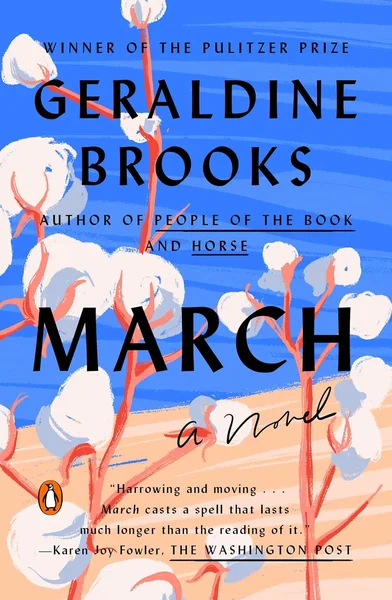
March: Pulitzer Prize Winner (A Novel)
A Civil War chaplain — the absent father from Little Women — confronts the gap between his abolitionist ideals and his actual complicity in the antebellum South.
Read our full reviewAt a glance
Be one of the first readers to answer.
Read it? Was it right for you?
LuvemBooks Verdict
Best for: Readers of serious literary historical fiction who are curious about the moral and psychological interior of an idealistic man tested by the Civil War — especially those who have ever wondered what lay behind the cheerful letters home in Little Women.
Worth it? Skip it? Read the full verdict →Ask LuvemBooks
Was this helpful?
- Is it worth reading?
- For readers of serious literary historical fiction, March operates at exactly the register it aims for — a novel built from primary sources and animated by genuine moral inquiry rather than nostalgia for a beloved classic. The Pulitzer committee's 2006 choice affirmed its standing as a serious work in its own right, and editor Teresa Nielsen Hayden's observation that the only thing separating it from fan fiction is that Brooks, Alcott, and Viking Press are 'dreadfully respectable' captures both its imaginative audacity and its impeccable execution. The key caveat: readers expecting warmth or resolution will find the novel's unflinching portrait of war, slavery, and marital rupture more demanding than expected.
- Similar books
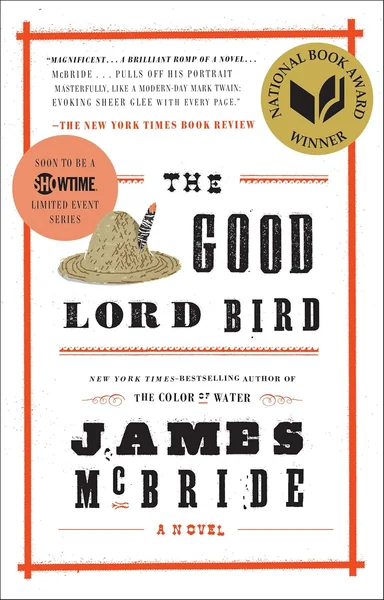
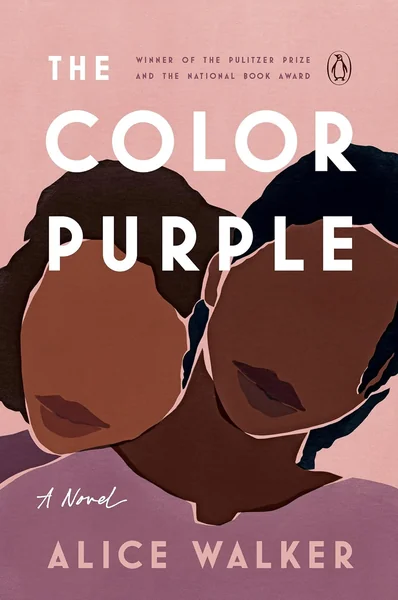
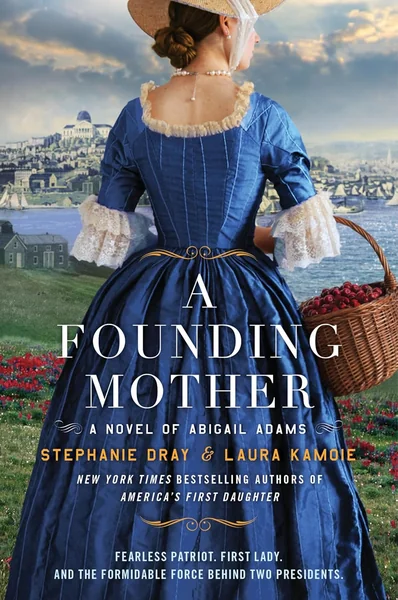
- Readers drawn to March's blend of Civil War history and moral complexity should consider James McBride's The Good Lord Bird, which also engages the abolitionist movement with literary ambition. For historical fiction that centers the experience of enslaved people with unflinching seriousness, Toni Morrison's Beloved is a natural companion — as is Alice Walker's The Color Purple, another landmark of American literary fiction that reckons with race, suffering, and resilience. Readers interested in rigorously researched fiction built around real historical women might also explore Stephanie Dray and Laura Kamoie's A Founding Mother. Charles Frazier's Cold Mountain, another literary Civil War novel that follows an absent soldier and the family left behind, is a close tonal match.
- Who should read this?
- March is written for readers of serious literary historical fiction — particularly those drawn to novels that interrogate the gap between professed ideals and lived moral compromise. Fans of Little Women who are open to a darker, more demanding reimagining will find it rewarding, as will readers interested in the Civil War, abolitionism, and the historical Alcott circle (Thoreau and Emerson appear as secondary characters). It is not recommended for readers seeking a warm or resolution-driven narrative; the recommended reading age of 18 and up reflects the gravity of its subject matter.
- About Geraldine Brooks
- Geraldine Brooks is an Australian-American journalist and novelist.
- What are the main themes?
- March is centrally concerned with the gap between professed ideals and lived moral compromise — Mr. March is a committed abolitionist who is nonetheless forced to reckon with his own failures and hypocrisies when confronted with the actual human cost of slavery and war. Closely linked is the novel's interrogation of protective silence: March's letters home shield his family from the truth, while the novel itself withholds nothing. The reimagining of Marmee — drawn from Bronson Alcott's historical record as a figure of fierce verbal and physical anger rather than placid domesticity — also engages themes of suppressed female autonomy. Underlying all of this is a serious treatment of abolitionism, race, and the moral limits of good intentions.
- How was the novel researched?
- Brooks's research for March is unusually well-documented. She drew directly on the letters and journals of Amos Bronson Alcott — Louisa May Alcott's father and the real-world model for Mr. March — as well as the writings of Henry David Thoreau and Ralph Waldo Emerson, both friends of the Alcott family who appear in the novel as secondary characters. The novel accurately reflects Bronson Alcott's documented principles, including his belief that children of all races had a right to education and his commitment to a vegetarian diet. Brooks also revealed in an NPR interview with Melissa Block that she lives near the site of a Civil War battle, a proximity that grounded her research in tangible geography.
Summarize this book
Follow up
Synthesized from verified book data & published reviews · How we review
Press Enter to ask. Answers come from our editorial Q&A — start typing to see related questions.
Editorial Review
Geraldine Brooks's March is a Pulitzer Prize–winning novel that ventures behind the scenes of Little Women, giving voice to the March family's long-absent patriarch as he confronts the brutal realities of the American Civil War — a bold act of literary excavation that earned the 2006 Pulitzer Prize for Fiction.
Read the Full ReviewReader reviews
No reader reviews yet
Read it? Be the first to say what you thought.
Books like March: Pulitzer Prize Winner
Curated picks for readers who enjoyed March: Pulitzer Prize Winner, with our reasoning for each match.
More by Geraldine Brooks


If you liked March: Pulitzer Prize Winner