9 min read
4.9
· 54,073 Amazon ratingsShare This Review
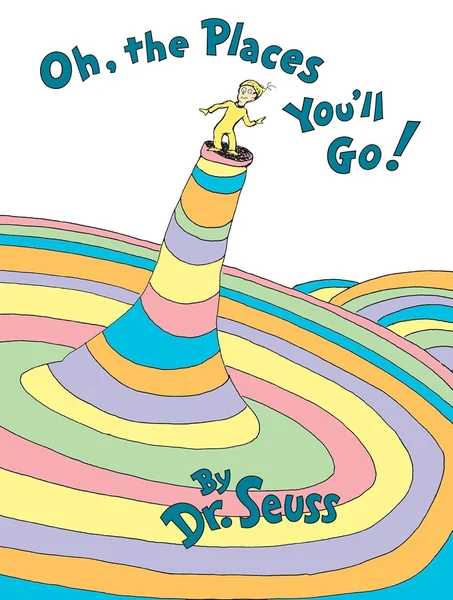
Oh, the Places You'll Go! by Dr. Seuss Review: A Timeless Graduation Classic for All Ages
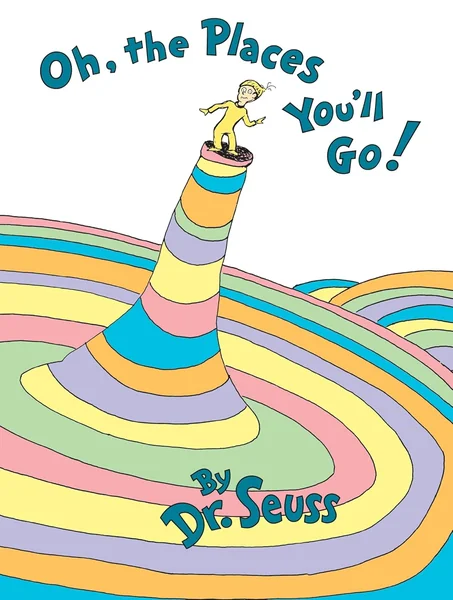
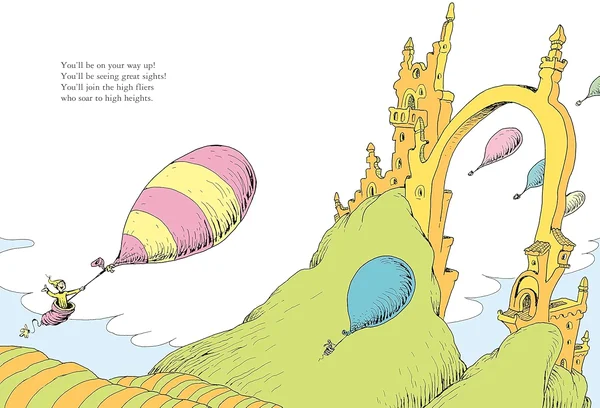
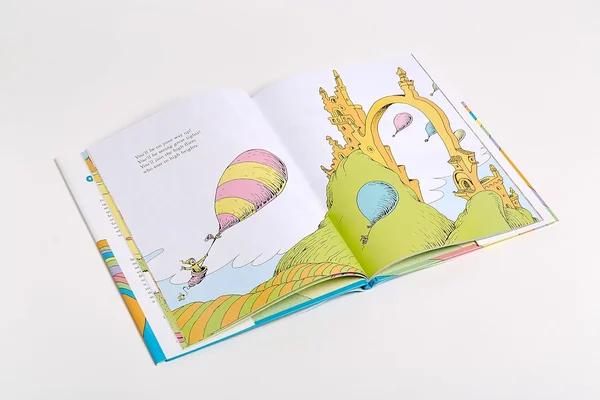
Dr. Seuss's final book published during his lifetime, Oh, the Places You'll Go! Is a children's picture book that doubles as one of the most enduring milestone gifts in American culture — a second-person journey through life's highs, lows, and uncertain in-betweens that has reached number one on both The New York Times Best-Selling Fiction Hardcover list and USA Today's Best Selling Book list multiple times since its 1990 debut.
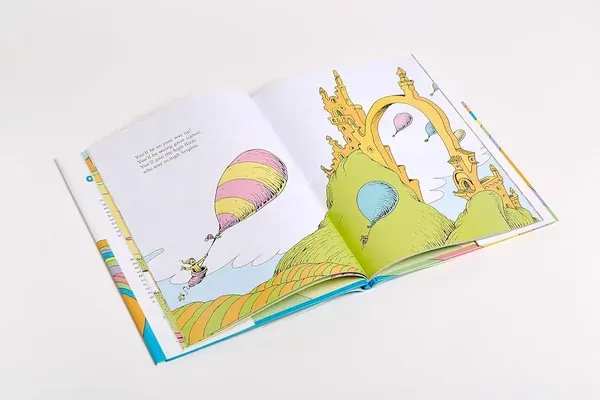
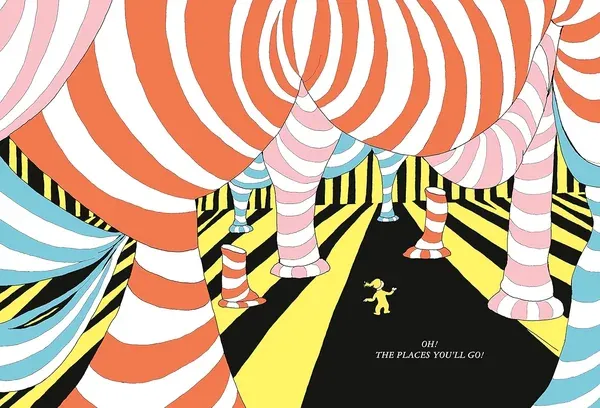
 Tap to enlarge
LuvemBooks Verdict
Best for
Anyone seeking a time-tested, emotionally honest gift for a graduate — from kindergarten through college — who wants something that will resonate across life stages rather than a single reading occasion.
Worth it if
You want a picture book that carries genuine emotional weight beyond cheerful uplift — one whose frank acknowledgment of stagnation and setback, wrapped in Seussian rhyme, makes it meaningful to young children and adults alike.
Skip if
You're coming to Seuss for the character-driven comedic energy of The Cat in the Hat or Green Eggs and Ham — the allegorical, protagonist-light structure here is deliberately ceremonial rather than plot- or character-centered, and repeat recipients may find deep familiarity dulls its impact.
What readers & critics say
Critical reception at launch was notably mixed: Mental Floss documents that the Scripps Howard News Service called it "slack and unimaginative," The New York Review of Books dismissed it as "the yuppie dream — or nightmare — of 1990 in cartoon form," and The New York Times found it "uncharacteristically tame," while Publishers Weekly awarded it a Best Picture Book citation and critical coverage gave it a starred review calling it "a sure bet for the younger set," as recorded by snailonthewall.com. Despite that divided debut, the book's commercial and cultural record has proved all skeptics wrong, with the title reaching #1 on multiple bestseller lists and sustaining decade-spanning sales documented across sources including en.wikipedia.org.
Sources: Mental Floss, snailonthewall.com, WikipediaPreview the book
Ask LuvemBooks
Was this helpful?
- Is it worth reading?
- For readers approaching a milestone or gifting one, Oh, the Places You'll Go! earns its status as a genuine cultural touchstone — its commercial record is extraordinary, having reached number one on The New York Times Best-Selling Fiction Hardcover list and topped USA Today's Best Selling Book list in 1997, 2021, and 2022. The inclusion of 'The Waiting Place' gives the book emotional honesty that distinguishes it from simple uplift, and the second-person construction gives it genuine cross-generational range. The one real caveat: readers who have received it multiple times as a graduation gift may find its ubiquity dulls the freshness that Seuss's best work typically carries.
- Similar books
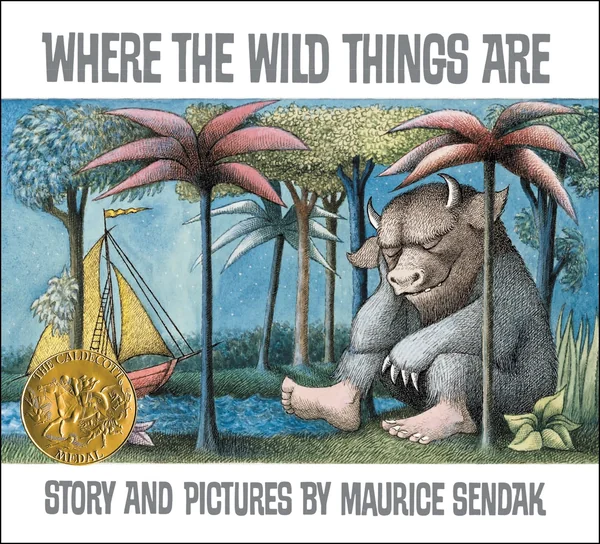
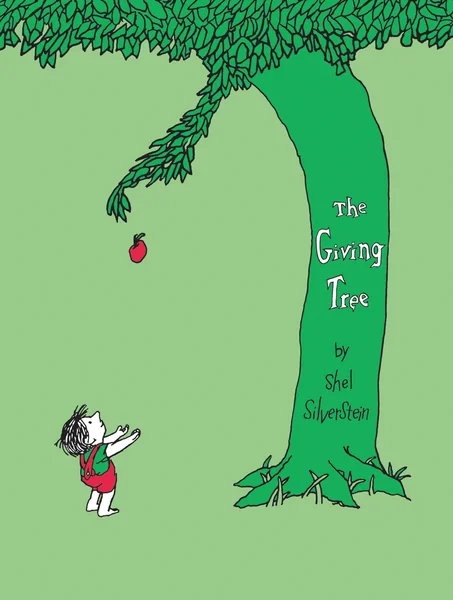
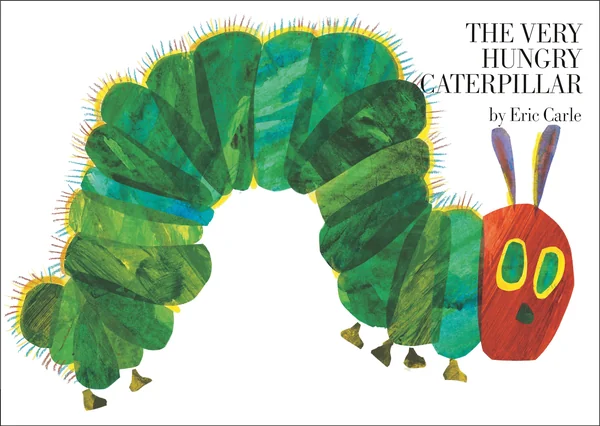
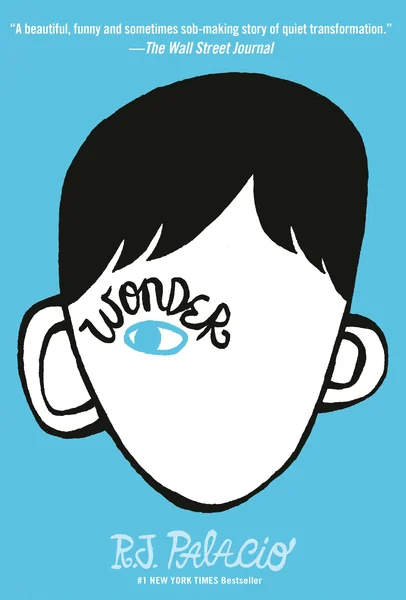
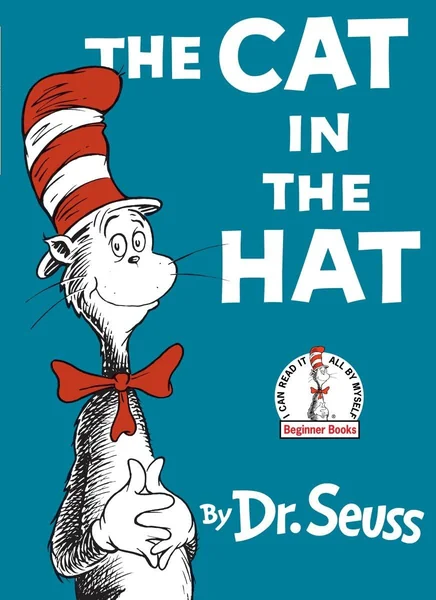
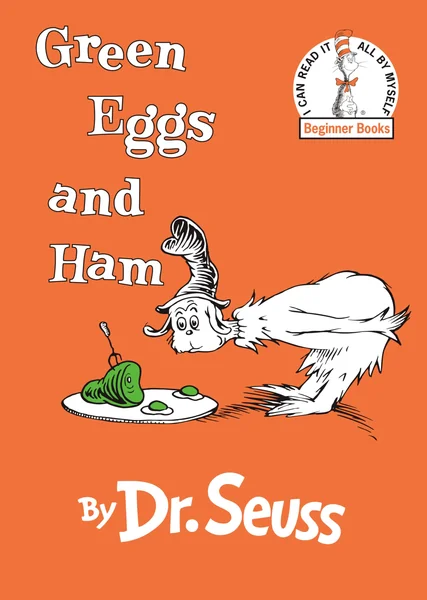
- Readers who connect with Oh, the Places You'll Go! will find kindred spirit in several other picture-book classics. Dr. Seuss's own The Cat in the Hat and Green Eggs and Ham share his signature rhyming energy and Beginner Books style, though both lean into character-driven comedy more than this title's reflective tone. Shel Silverstein's The Giving Tree similarly operates as a short picture book doing the emotional work of something much longer, with a bittersweet resonance that also appeals to adults. Maurice Sendak's Where the Wild Things Are and Eric Carle's The Very Hungry Caterpillar are beloved milestones in the same picture-book canon, each with their own cross-generational staying power. For readers drawn to the themes of resilience and self-discovery at a slightly older reading level, R. J. Palacio's Wonder and E. B. White's Charlotte's Web extend those ideas into fuller narrative form.
- Who should read this?
- Oh, the Places You'll Go! is built for two distinct audiences that rarely overlap in a single picture book: young children encountering it for its Seussian rhyme and colorful allegorical landscapes, and older readers — high school seniors, college graduates, or adults at any life crossroads — who will find its themes of ambition, failure, resilience, and the temptation to simply wait in 'The Waiting Place' resonate with real depth. It is the defining choice for anyone selecting a milestone or graduation gift. Readers who come to Seuss specifically for the character-centered comedic energy of The Cat in the Hat or Green Eggs and Ham should know this title is more ceremonial and reflective than playful.
- What age is it for?
- Oh, the Places You'll Go! is suitable for all ages, with no content concerns at any level. Its Seussian rhyme and polychromatic illustrations make it accessible from the earliest picture-book ages (roughly 4 and up), while its themes of ambition, stagnation, and resilience — particularly the 'Waiting Place' sequence — add a layer of meaning that grows with the reader into adulthood. The National Education Association's inclusion of the book among its 'Teachers' Top 100 Books for Children' reflects its recognized value across the full span of childhood and beyond.
- About Dr. Seuss
- Theodor Seuss Geisel was an American children's author, illustrator, animator, and cartoonist, best known by his pen name Dr. Seuss.
- What are the main themes?
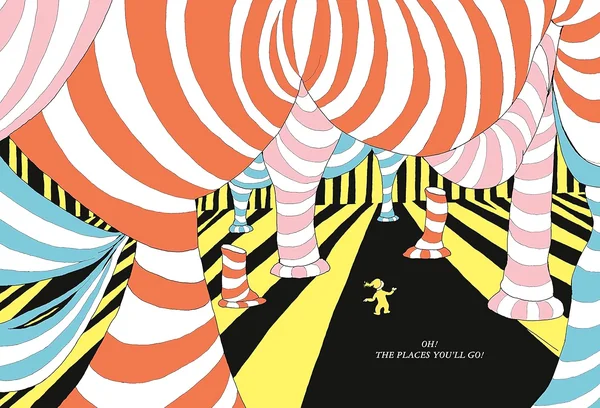
- The book's central themes are ambition, failure, resilience, and the danger of stagnation — embodied most vividly in 'The Waiting Place,' where everyone is always waiting for something to happen. Unlike picture books built purely on uplift, Oh, the Places You'll Go! acknowledges that life involves real periods of paralysis before pivoting toward encouragement, which gives its optimism an earned quality. Underlying all of it is the open-endedness of the journey itself: the narrative never resolves into a destination, reinforcing that life's arc is ongoing rather than concluded.
- Is it a good book club pick?
- At 56 pages, Oh, the Places You'll Go! is too brief to anchor a traditional book club session on its own, but it can serve as a powerful discussion catalyst — particularly for groups organized around a shared milestone like retirement, a career change, or a graduation cohort. The allegorical structure invites readers to map 'The Waiting Place' and the unnamed protagonist's journey onto their own experiences, which generates personal reflection rather than plot-based analysis. Groups interested in Seuss's broader career might pair it with The Cat in the Hat or Green Eggs and Ham to compare his reflective late style with his earlier comedic energy.
Summarize this book
Follow up
Synthesized from verified book data & published reviews · How we review
Press Enter to ask. Answers come from our editorial Q&A — start typing to see related questions.
Age & Reading Level
Recommended age
Ages 5–8
Best for: Ages 4+ — picture-book format and rhyming text suit early readers; allegorical themes of ambition and resilience grow in meaning with the reader's age.
Skip if you're looking for character-driven, plot-forward Seuss storytelling in the vein of The Cat in the Hat or Green Eggs and Ham.
Our Review
What the Book Is and What It Does
Its Place in the Seuss Canon and in Publishing History
The Graduation Gift Phenomenon
Genuine Strengths
Limitations and Who May Find It Frustrating
Sources & Further Reading
The key facts and claims in this review are grounded in the retrieved, verified sources listed below.
- Cited in this review
- 1
penguinrandomhouse.com
- 2
barnesandnoble.com
- 3
- Further reading
- 4
Dr. Seuss, Wikipedia
- 5
en.wikipedia.org
- 6
denuccio.net
- 7
bookbrief.io
- 8
poemanalysis.com
- 9
thechildrensbookreview.com
- 10
athleteassessments.com
- 11
lindentreebooks.com
- 12
waterstones.com
Books like Oh, the Places You'll Go!
Curated picks for readers who enjoyed Oh, the Places You'll Go!, with our reasoning for each match.
More by Dr. Seuss
If you liked Oh, the Places You'll Go!