
8 min read
4.6
· 42,367 Amazon ratingsFeatured In
Share This Review
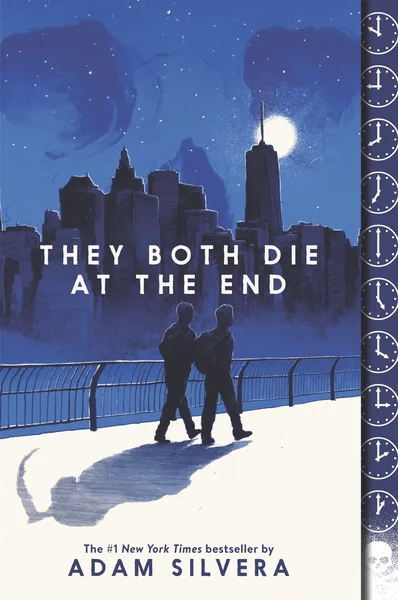
They Both Die at the End by Adam Silvera Review: A Gut-Punch YA Romance Built to Last
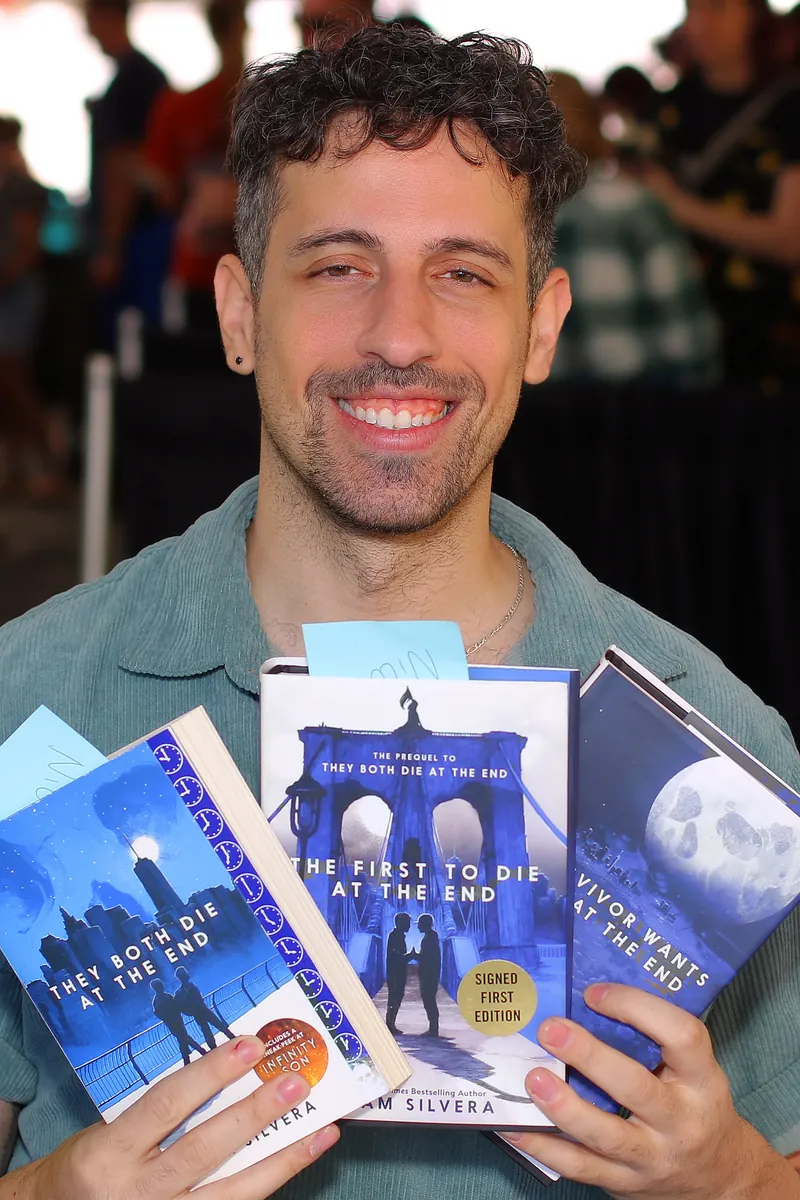
Adam Silvera's third novel — originally published September 5, 2017, by HarperTeen — is a young adult romance that follows two teenage boys, Mateo Torrez and Rufus Emeterio, through the single day they have left to live after receiving calls from Death-Cast, a company that predicts its clients' imminent deaths. A #BookTok phenomenon that returned to The New York Times Best Seller list in 2020, the novel earned four starred reviews and a wide sweep of year-end honors, cementing its place as one of the defining YA novels of its era.
LuvemBooks Verdict
Best for
Readers aged 13 and up who want a character-driven YA romance that uses a high-concept speculative premise — a company that predicts the day you'll die — as a vehicle for emotionally precise exploration of mortality, identity, and LGBTQ+ love.
Worth it if
You're willing to surrender conventional suspense (the ending is in the title) and invest in a single-day, deeply interior story about what kind of people two teenagers become in the hours they have left.
Skip if
You need plot momentum and propulsive pacing to stay engaged — the novel unfolds one emotionally weighted day across more than 400 pages, and that deliberate rhythm is a feature, not a bug, that not every reader will welcome.
What readers & critics say
Kirkus Reviews, whose own page is in the retrieved list, called the novel "engrossing, contemplative, and as heart-wrenching as the title promises," naming it a Best Book of 2017; the book's Wikipedia entry further relays critical consensus praising Silvera for "grappl[ing] gracefully with heavy questions about death and the meaning of a life well-lived," and notes that a BookTok surge in April 2020 returned it to The New York Times Best Seller list years after its original publication.
“Engrossing, contemplative, and as heart-wrenching as the title promises.”
— Kirkus ReviewsAge & Reading Level
Recommended age
Ages 12–18
Reading level
Young adult
3 content notes · who it suits
Content to know about
Best for: Ages 13 and up — the YA designation reflects frank, sustained engagement with mortality, grief, and LGBTQ+ identity that suits readers with emotional maturity; the novel's entire premise centers on two teenagers facing their own deaths.
Skip if you want plot-driven momentum or a mystery where the ending is withheld — the title discloses both characters' deaths before page one, and the entire novel is character-driven interiority over a single day.
In This Review
- What Works & What Doesn't
- What the Novel Actually Is
- The Premise and Its Emotional Architecture
- Significance and Cultural Reach
- Strengths: Character and Connection
- Who the Book Is For — and Where It Challenges
What Works & What Doesn't
What Works
- A richly imagined speculative premise — Death-Cast and Last Friend — that serves genuine emotional and thematic purposes rather than existing as mere gimmick
- Mateo and Rufus are drawn as distinct, fully realized protagonists whose individual backstories deepen the novel's central relationship
- Exceptional cultural staying power, returning to The New York Times Best Seller list years after its original publication through organic reader enthusiasm on BookTok
- Earned four starred reviews and a sweep of year-end honors from major YA outlets, reflecting broad critical consensus
- A supporting cast and network of intersecting minor characters that expand the world beyond its two leads
What Doesn't
- The single-day, character-driven structure unfolds at deliberate length; readers who favor plot momentum over emotional interiority may find the pacing demands sustained investment
- The title discloses the ending before the first page, a deliberate authorial choice that trades conventional suspense for thematic depth — a trade not every reader will welcome
What the Novel Actually Is
The Premise and Its Emotional Architecture
Significance and Cultural Reach
Strengths: Character and Connection
Who the Book Is For — and Where It Challenges
Frequently Asked Questions
Sources & Further Reading
The key facts and claims in this review are grounded in the retrieved, verified sources listed below.
- Cited in this review
- 1
- 2
- 3
- Further reading
- 4
Adam Silvera, Wikipedia
- 5
en.wikipedia.org
- 6
- 7
- 8
openbooksummary.com
- 9
thegrizzlynews.org
- 10
- 11
- 12
- 13
- 14
thestorysanctuary.com
- 15
barnesandnoble.com
- 16
Related Reviews
Reviews of books we picked for readers who enjoyed They Both Die at the End.
Reader Comments
No comments yet
Be the first to share your thoughts!