
8 min read
4.6
· 2,832 Amazon ratingsShare This Review
The First to Die at the End by Adam Silvera Review: A Gripping, Emotionally Charged YA Prequel
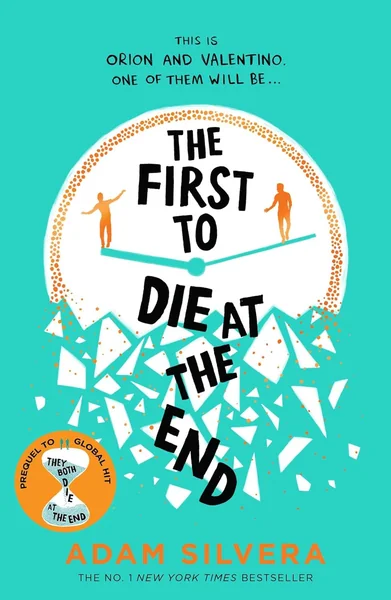
Adam Silvera's The First to Die at the End is a speculative YA fiction prequel to his celebrated They Both Die at the End, set against the chaotic nationwide launch of Death-Cast — a company that notifies subscribers they have 24 hours left to live. A New York Times bestseller, it centers on the fateful collision of Orion Pagan and Valentino Prince in Times Square, weaving grief, romance, and social upheaval into what Kirkus Reviews calls "a rush of emotion and suspense."
LuvemBooks Verdict
Best for
Fans of Adam Silvera's They Both Die at the End — particularly readers aged 13–18 who want the origin story of Death-Cast told through emotionally raw, LGBTQ+ centred characters and a largely Latine ensemble cast.
Worth it if
You're drawn to high-concept YA that pairs a speculative premise with genuinely weighty themes — grief, family rupture, mortality, and faith — and appreciate an author who deliberately refuses to punish queer characters with tragic endings.
Skip if
You're coming straight from They Both Die at the End hoping to recapture its singular first-encounter magic, or you find uneven protagonist balance frustrating — Kirkus Reviews flags Valentino as the less fully realised of the two leads.
What readers & critics say
Kirkus Reviews awarded the novel its "Get It" verdict, praising it as "a rush of emotion and suspense" and noting that it confronts heavy topics with complexity and care while deliberately subverting the trope of punishing gay characters with violent tragedy. NPR reported strong commercial momentum for the book at launch, contextualising it within the word-of-mouth, TikTok-driven phenomenon that made its predecessor a sustained bestseller.
“A rush of emotion and suspense — confronts heavy topics with complexity and care.”
— Kirkus Reviews“Silvera's fans love how sad his books are — they record TikTok videos of themselves weeping over his tragic endings.”
— NPRAge & Reading Level
Recommended age
Ages 12–18
Reading level
Young adult
4 content notes · who it suits
Content to know about
Best for: Ages 13+ — the novel engages seriously with grief, abuse, homophobia, terminal illness, and mortality in a YA speculative frame suited to early-to-mid teens and above.
Skip if you're looking for a self-contained, fully fresh speculative story unconnected to a wider series — the emotional payoff is deepest for readers already invested in the Death-Cast universe.
In This Review
- What Works & What Doesn't
- What the Book Is and What It Does
- Significance and Place in the Series
- What Silvera Does Well
- Limitations and Who May Be Frustrated
- Who This Book Is For
What Works & What Doesn't
What Works
- A New York Times bestseller awarded a 'Get It' verdict by Kirkus Reviews, confirming strong critical reception
- Intricately interconnected ensemble of perspectives builds the Death-Cast world beyond its two leads
- Deliberately subverts the trope of punishing gay characters with violent tragedy, per Kirkus Reviews
- Heavy themes — grief, abuse, religious faith — handled with complexity and care according to Kirkus Reviews
- Designed to function as a standalone entry point, not requiring prior knowledge of They Both Die at the End
What Doesn't
- Kirkus Reviews notes the audiobook adaptation 'lacks its predecessor's novelty and magic,' a dynamic some readers may feel in the text itself
- Valentino reads as a less fully realized protagonist than Orion, a character imbalance flagged by Kirkus Reviews
What the Book Is and What It Does
Significance and Place in the Series
What Silvera Does Well
Limitations and Who May Be Frustrated
Who This Book Is For
Frequently Asked Questions
Sources & Further Reading
The key facts and claims in this review are grounded in the retrieved, verified sources listed below.
- Cited in this review
- 1
- 2
kirkusreviews.com
- 3
- Further reading
- 4
Adam Silvera, Wikipedia
- 5
- 6
- 7
newbookrecommendation.com
- 8
barnesandnoble.com
- 9
Related Reviews
Reviews of books we picked for readers who enjoyed The First to Die at the End Prequel.
Reader Comments
No comments yet
Be the first to share your thoughts!