At a glance
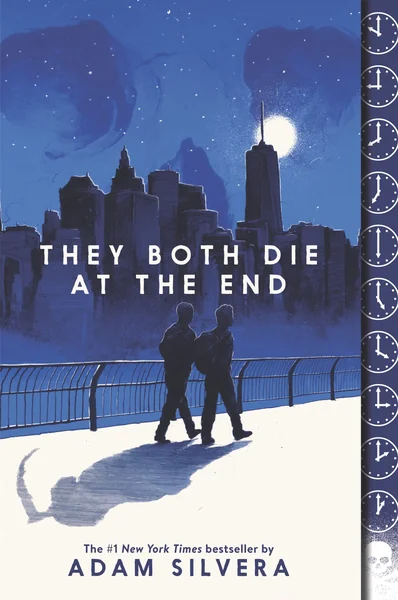
They Both Die at the End
by Adam Silvera
LuvemBooks Verdict
Best for: Readers aged 13 and up who want a character-driven YA romance that uses a high-concept speculative premise — a company that predicts the day you'll die — as a vehicle for emotionally precise exploration of mortality, identity, and LGBTQ+ love.
Worth it? Skip it? Read the full verdict →Ask LuvemBooks
Was this helpful?
- Is it worth reading?
- For readers drawn to emotionally driven YA, They Both Die at the End is a standout: it earned four starred reviews and year-end honors from School Library Journal, Kirkus, Booklist, Book Riot, BuzzFeed, Paste Magazine, and BookPage, among others — a breadth of critical recognition that speaks to genuine consensus. BuzzFeed's assessment, as relayed in the novel's reception coverage, holds that Silvera 'not only poignantly captures the raw emotion of facing your own mortality but also creates entirely relatable and authentic characters you'll want to follow on their journey.' The key caveat is structural: the title discloses the ending before page one, and the single-day narrative unfolds at deliberate pace — readers who prefer plot-driven momentum over emotional interiority may find it demands sustained patience.
- Similar books
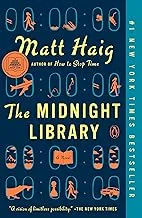
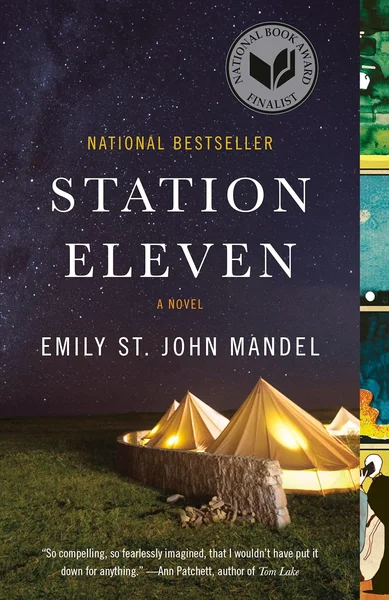
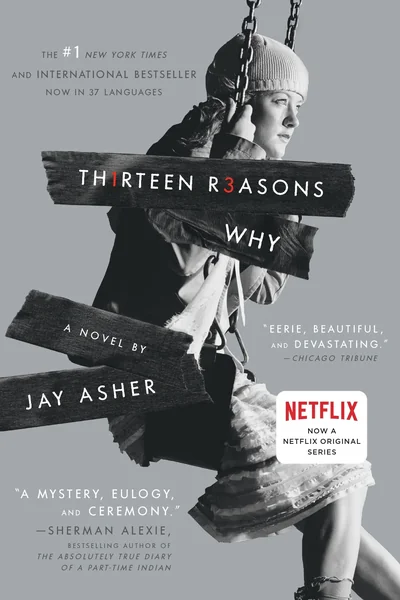
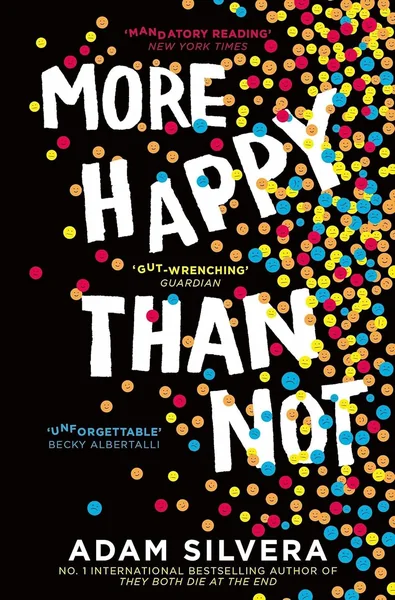
- Readers who respond to They Both Die at the End's blend of mortality, emotional depth, and LGBTQ+ identity will find natural companions in Adam Silvera's earlier novel More Happy Than Not, which established the same emotionally gutting YA voice. John Green's The Fault in Our Stars shares the template of two teenagers navigating love and death with literary self-awareness. For speculative fiction that meditates on unlived lives and the weight of time, Matt Haig's The Midnight Library and Emily St. John Mandel's Station Eleven offer resonant adult-skewing counterparts. Jay Asher's Thirteen Reasons Why similarly places a young protagonist at the intersection of mortality and the lives they leave behind, though its tone and structure are markedly different.
- Who should read this?
- They Both Die at the End is designed for readers aged 13 and up, with its strongest appeal among fans of emotionally driven YA, LGBTQ+ romance, and literary fiction that uses speculative premises to interrogate grief and identity. It is particularly well-suited to readers who can trade conventional suspense for emotional interiority — those willing to spend an entire novel inside a single day alongside two fully realized teenage characters. Adult readers with a high tolerance for emotionally devastating fiction will find it equally rewarding; the novel's BookTok resurgence and critical reception both point to a readership that extends well beyond its YA classification.
- What age is it for?
- Best for ages 13 and up. The novel's YA designation reflects both its teenage protagonists and its sustained, frank engagement with mortality, grief, and LGBTQ+ identity — themes that call for a reader with some emotional maturity. Silvera has noted that witnessing his mother undergo cardiac failure influenced the work, and that biographical weight is present throughout; the emotional demands of the single-day structure are real and consistent.
- About Adam Silvera
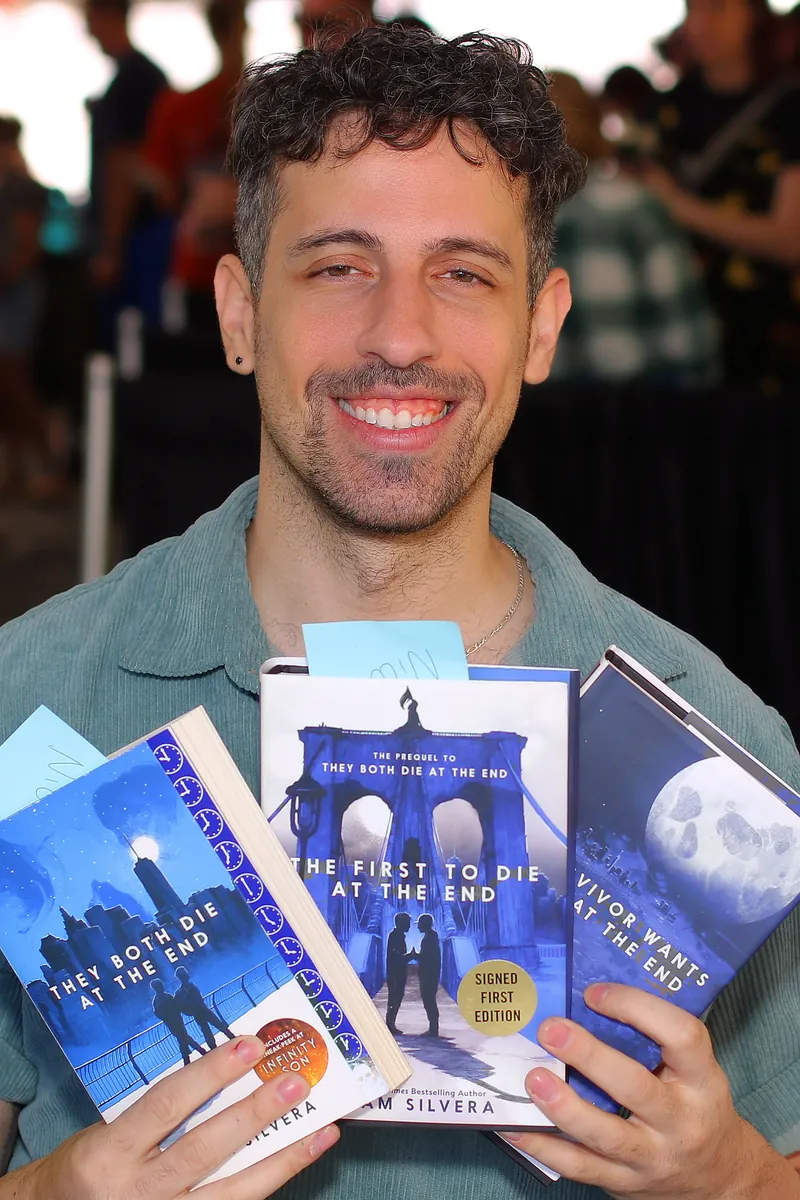
- Since bursting onto the YA scene in 2015 with More Happy Than Not, #1 New York Times bestselling author Adam Silvera has become one of young adult literature's most emotionally resonant voices.
- Tell me about the adaptation
- An adaptation of They Both Die at the End is in development, with Bridgerton creator Chris Van Dusen attached to executive produce and write. Adam Silvera himself is also serving as executive producer, suggesting meaningful authorial involvement in bringing the Death-Cast world to screen. No release date or platform has been confirmed in publicly available information at the time of this review.
- What are the main themes?
- At its core, They Both Die at the End is a meditation on what it means to have truly lived — the Death-Cast premise forces both Mateo and Rufus to ask that question with brutal immediacy. Mateo's arc tracks the cost of a life lived in fear and the small acts of courage it takes to push past it, while Rufus's story explores how grief for his parents shapes his fierce loyalty to his found family, The Plutos. The novel also engages substantively with LGBTQ+ identity and love, mortality as a lens for examining authentic selfhood, and the way strangers can become essential to each other in an astonishingly short span of time.
- Where should I start with Adam Silvera?
- For readers new to Adam Silvera, LuvemBooks has reviewed two strong starting points: More Happy Than Not, his 2015 debut that established him as one of YA's most emotionally resonant voices, and They Both Die at the End itself, his breakout third novel. Readers drawn to the Death-Cast world of They Both Die at the End can also explore The First to Die at the End, Silvera's prequel, also reviewed on the site. Chronologically, More Happy Than Not is the natural first step, but They Both Die at the End is the work that defines his reputation and functions perfectly as a standalone entry point.
Summarize this book
Follow up
Synthesized from verified book data & published reviews · How we review
Press Enter to ask. Answers come from our editorial Q&A — start typing to see related questions.
Age & Reading Level
Recommended age
Ages 12–18
Reading level
Young adult
3 content notes · who it suits
Content to know about
Best for: Ages 13 and up — the YA designation reflects frank, sustained engagement with mortality, grief, and LGBTQ+ identity that suits readers with emotional maturity; the novel's entire premise centers on two teenagers facing their own deaths.
Skip if you want plot-driven momentum or a mystery where the ending is withheld — the title discloses both characters' deaths before page one, and the entire novel is character-driven interiority over a single day.
Editorial Review
Adam Silvera's third novel — originally published September 5, 2017, by HarperTeen — is a young adult romance that follows two teenage boys, Mateo Torrez and Rufus Emeterio, through the single day they have left to live after receiving calls from Death-Cast, a company that predicts its clients' imminent deaths. A #BookTok phenomenon that returned to The New York Times Best Seller list in 2020, the novel earned four starred reviews and a wide sweep of year-end honors, cementing its place as one of the defining YA novels of its era.
Read the Full ReviewBooks like They Both Die at the End
Curated picks for readers who enjoyed They Both Die at the End, with our reasoning for each match.
If you liked They Both Die at the End