Essential YA Novels for Teaching Identity and Belonging
6 books

Fiction
Essential YA Novels for Teaching Identity and Belonging
Curated recommendations for High school English teachers seeking YA novels for classroom discussion
6 Books
4.6 Avg
These six YA novels form the foundation of a powerful curriculum exploring identity, belonging, and the universal challenges of adolescence. Each book offers authentic teenage voices grappling with complex issues—from trauma and sexuality to class differences and mortality—while maintaining the literary merit essential for classroom analysis. Selected for their ability to generate meaningful discussion, these novels represent diverse perspectives and experiences that will resonate with today's students. Whether examining character development, thematic elements, or contemporary social issues, these books provide rich material for literary analysis while validating the teenage experience. They've been classroom-tested by educators nationwide and consistently engage even reluctant readers through their honest portrayal of adolescent struggles and triumphs.
Featured Books
6
Books in Collection4.6/5
Average RatingFeb 27, 2026
Published#1
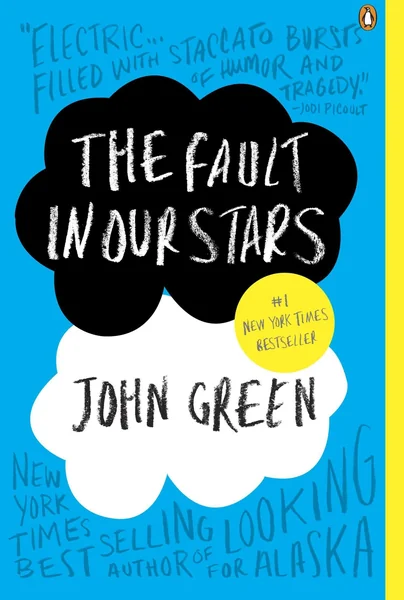
The Fault in Our Stars by John Green
by John Green
4.6/5
Green's philosophical depth transforms a potentially sentimental premise into something genuinely profound for classroom discussion. Hazel and Augustus navigate terminal illness while grappling with questions of legacy, meaning, and authentic connection—themes that resonate far beyond their medical circumstances. The novel's unflinching portrayal of mortality paired with genuine teenage humor creates perfect tension for exploring how adolescents process life's biggest questions.
"Green structures the narrative around Hazel's obsession with meaning-making, creating a profound meditation on love, mortality, and what it means to live fully in the face of uncertainty."
Level: Lexile 850L
#2
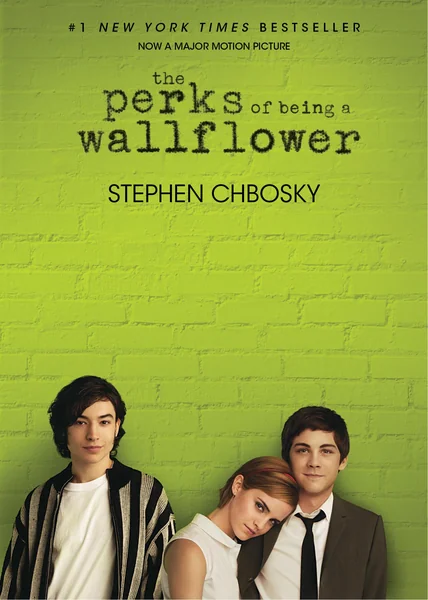
The Perks of Being a Wallflower by Stephen Chbosky
by Stephen Chbosky
4.6/5
Chbosky's epistolary masterpiece captures the authentic voice of adolescent isolation through Charlie's letters to an unnamed recipient. The early 1990s setting isn't mere nostalgia—it creates a world where meaningful connections require genuine effort, making Charlie's gradual emergence from his shell all the more powerful. His delayed understanding of significant events mirrors the actual adolescent experience, where meaning often reveals itself only in retrospect. The novel excels at showing how trauma can steal one's voice while demonstrating the healing power of found family. Charlie's friendships with Sam and Patrick provide a roadmap for how misfits can create their own sense of belonging, though some readers may find the resolution too neat. The mix-tape culture and underground tunnel scenes offer rich discussion material about how young people create identity through cultural touchstones.
"Charlie's voice as narrator strikes a delicate balance between naive and perceptive, noticing everything but often missing the larger implications until much later."
Level: Lexile 720L
#3
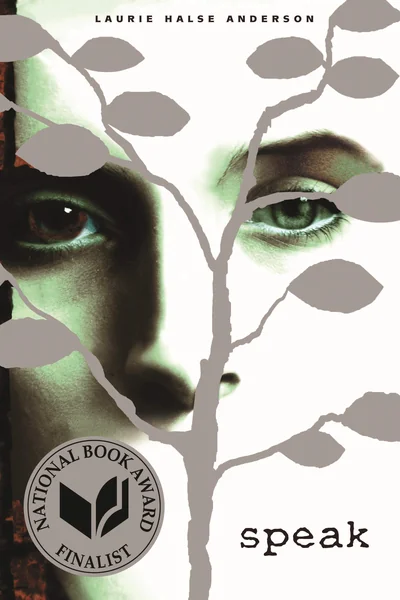
Speak by Laurie Halse Anderson
by Laurie Halse Anderson
4.6/5
Anderson's groundbreaking novel remains essential reading for its unflinching portrayal of how trauma can literally steal a teenager's voice. Melinda's journey from isolation to empowerment unfolds through a masterful narrative structure that mirrors her fractured mental state—short chapters organized by marking periods create a staccato rhythm reflecting her disconnection. The genius lies in Anderson's restraint: she shows rather than tells, allowing readers to piece together Melinda's secret through art projects and the gradual erosion of relationships. Her internal monologue shifts seamlessly from bitter humor to raw pain, creating an authentic psychological portrait that never exploits trauma for dramatic effect. The focus on mundane, everyday struggles of carrying such a burden makes the story accessible while maintaining its emotional power. Some elements may feel dated by contemporary standards, but the core themes of finding one's voice and reclaiming agency remain timeless.
"Anderson's genius lies in showing rather than telling, allowing readers to piece together Melinda's trauma through fragments, art projects, and the gradual erosion of her relationships."
Level: Lexile 690L
#4
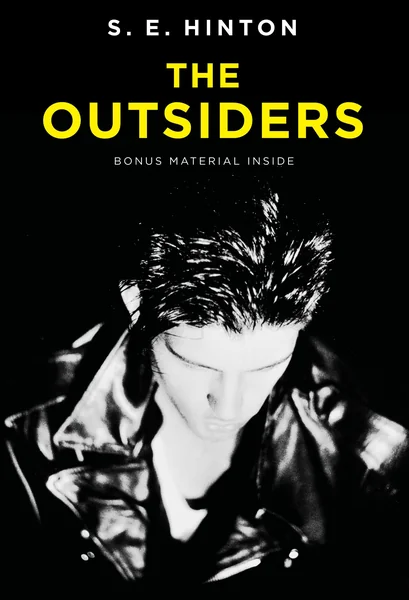
The Outsiders by S. E. Hinton
by S. E. Hinton
4.7/5
Nearly six decades later, Hinton's groundbreaking novel still delivers one of YA literature's most authentic teenage voices. Ponyboy Curtis navigates the brutal divide between "greasers" and "Socs" with a sensitivity that never undermines the story's harsh realities. The deliberately simple prose allows complex themes of class, family, and belonging to emerge naturally through character interactions rather than heavy-handed messaging. While some dated elements may require historical context, the core conflicts around economic inequality and finding your place in an unforgiving world remain painfully relevant. Students often surprise themselves by connecting deeply with characters whose surface lives seem far removed from their own experiences.
"Hinton's greatest achievement lies in creating an authentic teenage voice that never talks down to its audience."
Level: Lexile 750L
#5
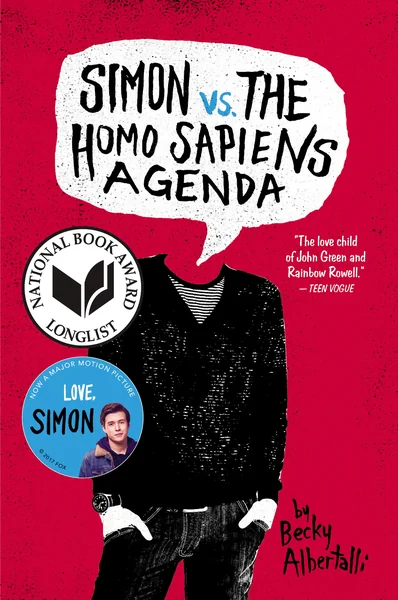
Simon vs. the Homo Sapiens Agenda by Becky Albertalli
by Becky Albertalli
4.8/5
Before *Love, Simon* brought LGBTQ+ stories to mainstream teen audiences, Albertalli crafted this genuine exploration of closeted adolescence that avoids both tragedy and unrealistic perfection. Simon's internal struggle with secrecy—the careful pronoun switching, the exhausting mental gymnastics of staying hidden—captures the isolating weight of living a double life. The Georgia setting feels authentic without leaning into regional stereotypes, focusing instead on universal feelings of difference in environments that prize conformity. Albertalli's skill lies in Simon's voice: self-deprecating but not neurotic, observant without being unnaturally wise. The supporting cast of theater kids and high school social strata provides familiar territory that lets the emotional core shine. While the resolution ties up perhaps too neatly, the journey there offers rich material for discussing identity, acceptance, and the courage required for authentic self-expression.
Level: Lexile 820L
#6
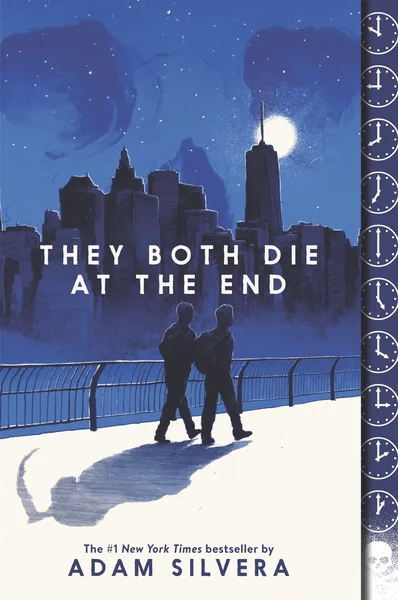
They Both Die at the End by Adam Silvera
by Adam Silvera
4.6/5
Silvera's premise—two strangers spending their final 24 hours together after receiving death notifications—transforms from high-concept hook into genuine emotional territory through careful character development. Mateo's authentic anxiety and Rufus's grief-fueled anger create a friendship that develops organically despite the compressed timeframe. The novel excels at examining how people choose to live when death becomes certain, focusing on psychological weight rather than dramatic circumstances. LGBTQ+ themes weave naturally into the narrative fabric without feeling forced or tokenistic. However, the intense subject matter and emotional weight make this better suited for mature readers who can handle discussions about mortality, loss, and end-of-life choices. The book's power lies in its honest portrayal of how teenagers actually process fear and connection under extreme pressure.
"Rather than focusing on how people die, the story examines how they choose to live when time runs out."
Level: Lexile 820L
Final Thoughts
This collection represents the best of contemporary and classic YA literature for exploring identity and belonging. Each novel offers multiple entry points for discussion and analysis, from literary devices to social justice themes. These books don't shy away from difficult topics, instead treating them with the respect and nuance that high school students deserve. By incorporating these titles into your curriculum, you're providing students with mirrors to see themselves and windows to understand others' experiences. The conversations these books generate often extend far beyond the classroom, creating lasting impact on how students view themselves and their place in the world.
Frequently Asked Questions
Are these books appropriate for all high school grade levels?
Most work well for grades 9-12, though "Speak" and "The Perks of Being a Wallflower" contain mature themes better suited for grades 10-12. Always review content against your district's guidelines.
How do these books address LGBTQ+ representation in the classroom?
"Simon vs. the Homo Sapiens Agenda" and "They Both Die at the End" feature authentic LGBTQ+ characters and storylines, providing important representation for diverse student populations.
Which book works best for reluctant readers?
"The Outsiders" and "Simon vs. the Homo Sapiens Agenda" tend to engage struggling readers through accessible language and compelling plots, while still offering rich discussion material.
Do these books work well for literature circles?
Absolutely. Each title generates strong discussion around character motivation, theme development, and personal connections, making them ideal for small group exploration.
How do I handle sensitive topics like suicide and sexual assault?
"Speak" and "They Both Die at the End" require careful introduction and ongoing support. Consider trigger warnings, alternative assignments for affected students, and coordination with school counselors.
Are there companion texts that pair well with these novels?
Yes! Poetry, short stories, and nonfiction pieces about identity, mental health, and social justice create powerful thematic connections and deepen literary analysis.