
At a glance

LuvemBooks Verdict
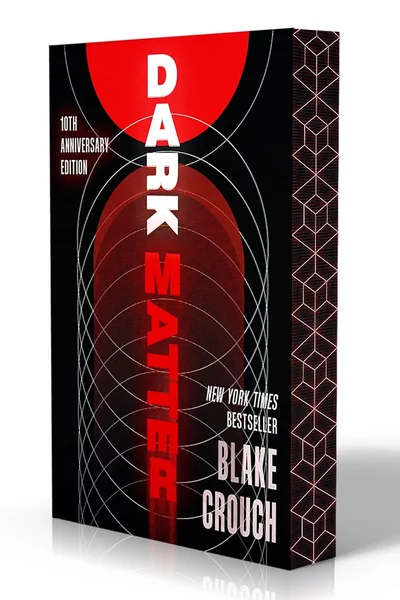
Best for: Readers who enjoy fast-paced speculative thrillers that use a high-concept science fiction premise — here, the many-worlds interpretation of quantum mechanics — as the engine for an emotionally grounded story about identity, regret, and the love of a specific family.
Worth it? Skip it? Read the full verdict →Ask LuvemBooks
Was this helpful?
- Is it worth reading?
- For readers who enjoy genre fiction that moves fast, asks large philosophical questions about choice and identity, and resolves them through emotional tension rather than theoretical rigor, Dark Matter is a strong pick. Alison Flood praised the novel's pace and found Jason's devotion to his family genuinely touching, and the path-not-taken premise — turning ordinary adult choices into a literal multiverse horror — gives the thriller stakes a human core that distinguishes it from purely conceptual science fiction. The caveat is real, though: Andrew Liptak at The Verge noted the alternate versions of Jason are never developed enough to be individually memorable, and readers who prioritize deep characterization or scientific precision may find the novel's priorities less satisfying.
- Similar books
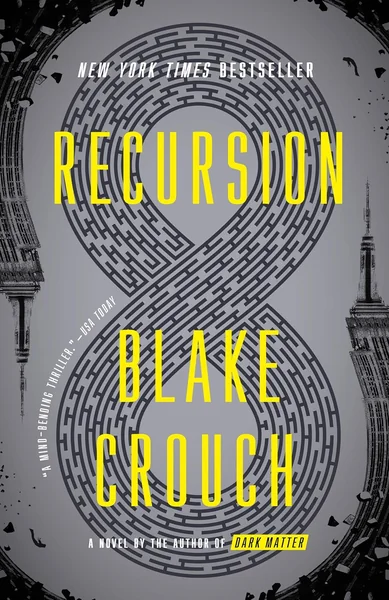
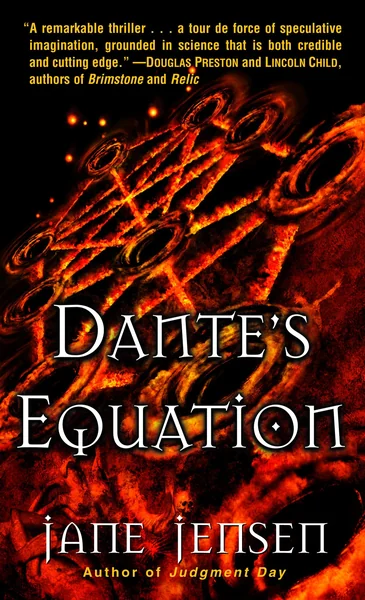
- Readers drawn to Dark Matter's blend of scientific concept and propulsive thriller pacing will find a natural next read in Crouch's own Recursion: A Novel, which applies a similarly high-concept speculative premise to questions of memory and reality. Andy Weir's Project Hail Mary: A Novel offers the same commitment to accessible science and relentless forward momentum, though in a deep-space survival context. For a more literary take on quantum physics and parallel realities, Jane Jensen's Dante's Equation marries speculative science with philosophical weight. Kazuo Ishiguro's Klara and the Sun approaches questions of identity and what makes us irreplaceably ourselves from a quieter, more introspective angle — a rewarding contrast for readers who want to sit with those themes at a different pace.
- Who should read this?
- Dark Matter is best suited to adult readers who enjoy thriller fiction with speculative or science fiction conceits — particularly those who want their big philosophical questions (identity, regret, the paths not taken) delivered with emotional immediacy and pace rather than academic precision. It will also appeal to fans of domestic drama elevated by genre stakes: the novel's engine is Jason Dessen's love for a specific wife and son in a specific life, which gives the multiverse premise a grounded, relatable urgency. Readers who prioritize meticulously constructed alternate-world world-building, psychologically layered character studies of the kind found in literary fiction, or hard-SF scientific accuracy are less well served by the novel's stated priorities.
- About Blake Crouch
- Born in North Carolina in 1978, Blake Crouch is a bestselling novelist and screenwriter who has become one of contemporary fiction's most compelling voices in speculative thriller territory.
- Tell me about the adaptation
- An Apple TV+ adaptation of Dark Matter premiered in May 2024, with Blake Crouch himself as a partial writer on the series, ensuring close creative involvement from the source material's author. The adaptation introduced the story to a significant new wave of viewers and reignited widespread interest in the novel. Season 2 of the Apple TV+ series is set to premiere on August 28, 2026, making the current moment an ideal time to read the book ahead of the new episodes.
- Why is this book trending?
- Dark Matter is trending because the Apple TV+ adaptation is returning for Season 2, premiering on August 28, 2026. The announcement has sent a fresh wave of readers back to Blake Crouch's original novel — both newcomers looking to get ahead of the new season and viewers who watched Season 1 and want to experience the source material. It's a strong moment to pick up the book before the new episodes arrive.
- How does it compare to Recursion?
- Both Dark Matter and Recursion: A Novel share Crouch's signature template: a high-concept speculative premise drawn from science, deployed as the engine for a propulsive thriller with personal emotional stakes at its core. Dark Matter uses the many-worlds interpretation of quantum mechanics to put Jason Dessen on a desperate race to reclaim his specific family; Recursion applies a different but equally gripping scientific conceit to questions of memory and reality. Readers who respond to Dark Matter's pace and philosophical ambition will almost certainly find Recursion a rewarding follow-up, and vice versa — the two novels represent the clearest expression of Crouch's strengths as a speculative thriller writer.
Summarize this book
Follow up
Synthesized from verified book data & published reviews · How we review
Press Enter to ask. Answers come from our editorial Q&A — start typing to see related questions.
Age & Reading Level
Recommended age
Adult
Reading level
Adult
2 content notes · who it suits
Content to know about
Skip if you want meticulously constructed alternate-world world-building or psychologically layered character studies over a fast, feeling-first thriller
Editorial Review
Blake Crouch's Dark Matter is a thriller science fiction novel that merges quantum mechanics with a race-against-self chase story, following Chicago physics professor Jason Dessen across parallel worlds as he fights to reclaim his own life — a high-concept premise that drew mixed critical notices but has proven broadly popular with genre readers.
Read the Full ReviewBooks like Dark Matter
Curated picks for readers who enjoyed Dark Matter, with our reasoning for each match.
More by Blake Crouch

If you liked Dark Matter

Why It’s Trending
Apple TV+ Series Adaptation Keeps Dark Matter in the Conversation
The Apple TV+ series based on Blake Crouch's novel — starring Joel Edgerton — brought a wave of new readers to the book, and interest has stayed strong. If you haven't read the original yet, now's a great time to pick it up before (or after) watching.