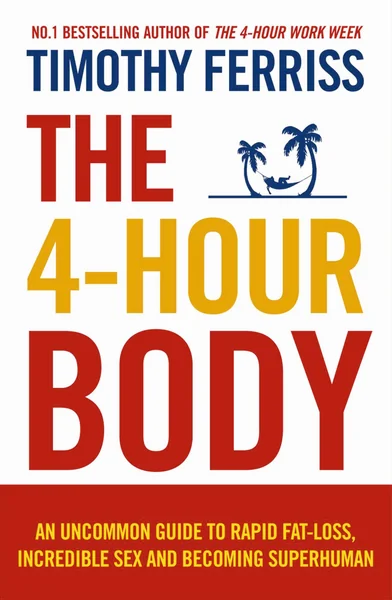
The 4-Hour Body: An Uncommon Guide to Rapid Fat-loss, Incredible Sex and Becoming Superhuman
At a glance

The 4-Hour Body
An Uncommon Guide to Rapid Fat-loss, Incredible Sex and Becoming Superhuman
LuvemBooks Verdict
Best for: Self-directed experimenters and biohacking enthusiasts — particularly fans of Ferriss's The 4-Hour Workweek — who are comfortable treating their own bodies as data sources and want a single-volume reference spanning fat loss, exercise, sleep, skill acquisition, and sexual performance organized around the "minimum input, maximum output" philosophy.
Worth it? Skip it? Read the full verdict →Ask LuvemBooks
Was this helpful?
- Is it worth reading?
- For self-directed experimenters already comfortable with Ferriss's biohacking philosophy — particularly those familiar with The 4-Hour Workweek — The 4-Hour Body offers a distinctive, wide-ranging reference with a structurally simple dietary framework that even skeptical reviewers found partially sound. However, multiple credentialed experts, including Dr. Tieraona Low Dog writing in the Harvard Business Review and Scott Kahan of the George Washington University Weight Management Program, drew clear lines between the diet's basic plausibility and the promotional scope of its claims. The New York Times described it as "among the craziest, most breathless things I've ever read" — a characterization that doubles as both a caution and a selling point depending on the reader. The Goodreads average of 3.72 across nearly 37,000 ratings signals that enthusiasm is real but far from universal.
- Similar books
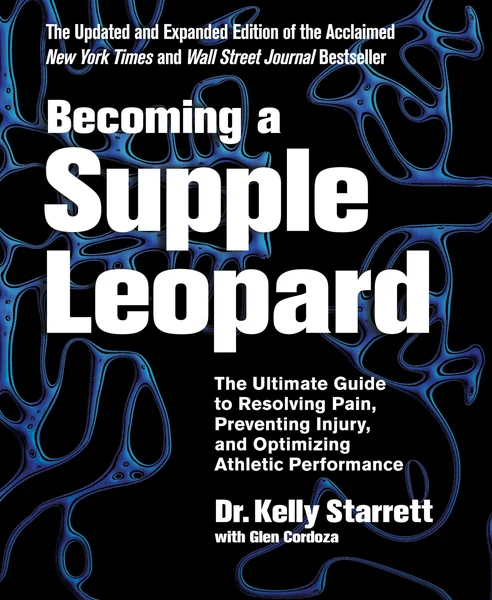
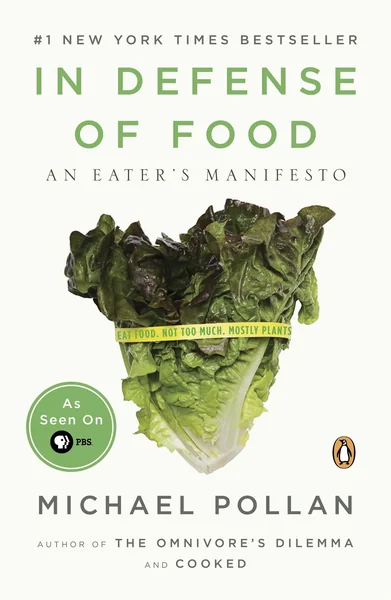
- Readers drawn to The 4-Hour Body's self-optimization ethos will find strong companions in the books curated below. Peter Attia's Outlive: The Science and Art of Longevity covers longevity, exercise, and metabolic health with a more clinical, research-grounded rigor. Jason Fung's The Obesity Code: Unlocking the Secrets of Weight Loss challenges conventional diet wisdom through the lens of insulin and hormonal science, offering a different but comparably contrarian take on fat loss. For readers focused on athletic performance and injury prevention, Kelly Starrett and Glen Cordoza's Becoming a Supple Leopard and Mark Rippetoe's Starting Strength: Basic Barbell Training address the body from a movement and strength-training perspective. Michael Pollan's In Defense of Food provides a philosophical counterpoint, advocating for simple, traditional eating over optimization-driven frameworks.
- Who should read this?
- The 4-Hour Body is best suited to self-directed adult readers who are already comfortable with the idea of treating their own bodies as experimental subjects and evaluating results personally — the audience Ferriss's entire body of work is built around. Fans of The 4-Hour Workweek who want to apply the same minimum-effective-dose philosophy to physical optimization are the book's natural primary audience. Readers who prefer plans validated by mainstream nutritional consensus, clinically conservative framing, or peer-reviewed sourcing will find the tone and the breadth of the claims a persistent mismatch.
- About Timothy Ferriss
- Timothy Ferriss is an American entrepreneur, investor, author, podcaster, and lifestyle guru.
- What's the writing style like?
- The book is written in a high-energy, maximalist register that generated pointed critical notice. The New York Times described it as "among the craziest, most breathless things I've ever read" — a characterization the review treats as a dual verdict: it is precisely this frenetic ambition that a segment of the audience values, and precisely what another segment finds off-putting. Readers accustomed to measured, clinically grounded health writing will find the tone a significant departure from that convention.
- What do experts say about it?
- Expert reception was notably divided. Writing in the Harvard Business Review, Dr. Tieraona Low Dog acknowledged that "many people will lose weight if they follow it" but stated the diet "is not capable of all the claims in the book." Scott Kahan, codirector of the George Washington University Weight Management Program, called it "another cockamamie fad diet" in U.S. News and raised doubts about long-term sustainability. Barry Sears (creator of the Zone diet) advised WebMD readers to find a plan they "can live with," and Michael Aziz (creator of the Perfect 10 Diet) characterized the weekly cheat day specifically as "dangerous." The Dietary Guidelines for Americans do not address the Slow-Carb Diet, placing it outside mainstream nutritional consensus.
Summarize this book
Follow up
Synthesized from verified book data & published reviews · How we review
Press Enter to ask. Answers come from our editorial Q&A — start typing to see related questions.
Age & Reading Level
Recommended age
Adult
Reading level
Adult
2 content notes · who it suits
Content to know about
Skip if you want a fitness or diet plan grounded in mainstream nutritional consensus and clinically conservative guidance.
Editorial Review
Timothy Ferriss's The 4-Hour Body is a wide-ranging nonfiction guide to physical self-optimization — covering fat loss, exercise, sleep, and sexual performance — that debuted at number one on the New York Times Bestseller List and generated both a devoted following and sharp expert skepticism. This review covers the book's content and published reception; assessments of its practical efficacy are drawn from named sources, not hands-on testing.
Read the Full ReviewBooks like The 4-Hour Body
Curated picks for readers who enjoyed The 4-Hour Body, with our reasoning for each match.
If you liked The 4-Hour Body