At a glance
LuvemBooks Verdict
Best for: Readers who feel that conventional "eat less, move more" advice has failed them and are encountering the hormonal/insulin framework for obesity for the first time.
Worth it? Skip it? Read the full verdict →Ask LuvemBooks
Was this helpful?
- Is it worth reading?
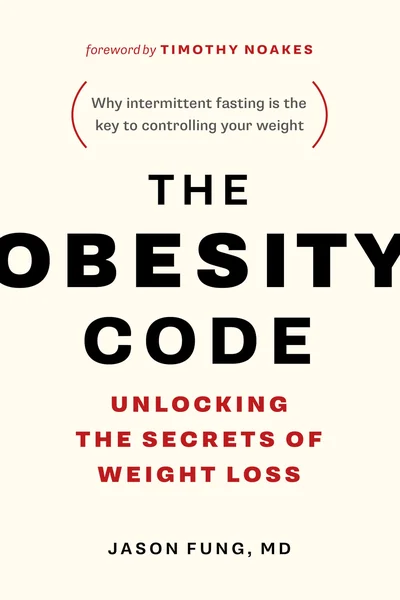
- For readers who feel that conventional 'eat less, move more' advice has failed them, The Obesity Code offers a genuinely coherent and accessible alternative framework. The book's dual appeal — rigorous enough for medically informed readers, clear enough for a general audience — helps explain how it made Fung a New York Times bestselling author. The important caveat, flagged by Red Pen Reviews, is that the insulin-as-primary-cause hypothesis is a minority position in the research community, so readers should approach the book as a compelling argument for one contested school of thought rather than as settled science.
- Similar books
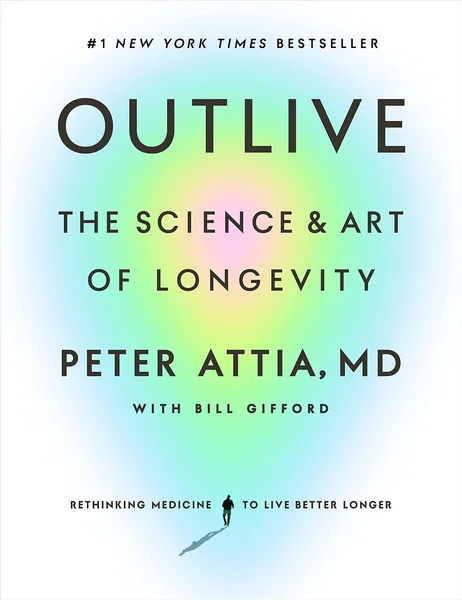
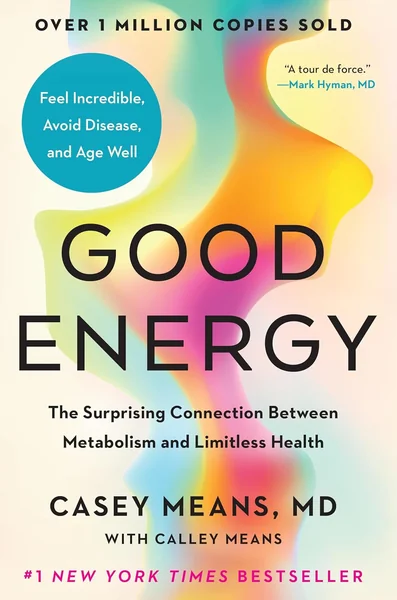
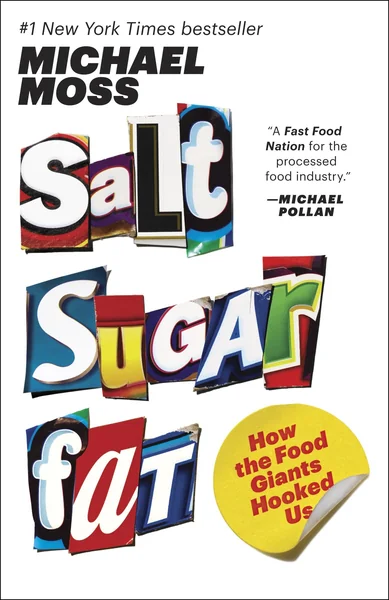
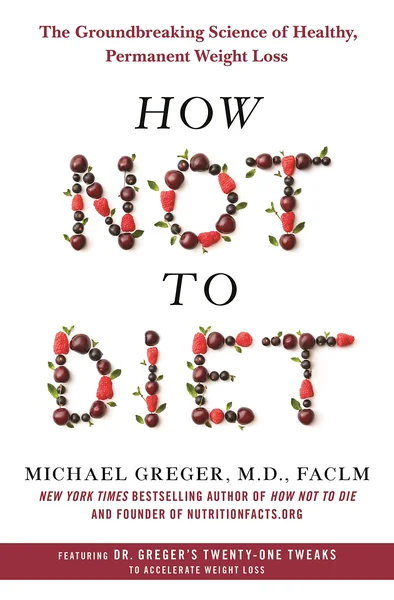
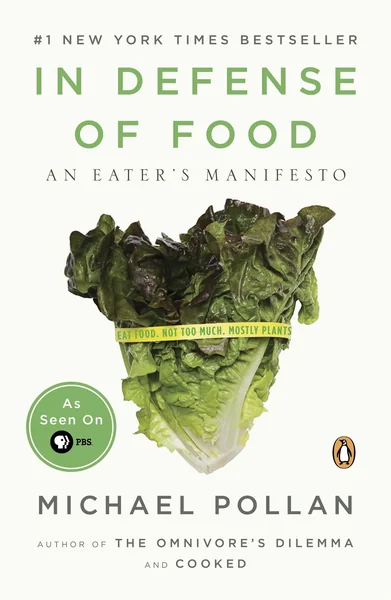
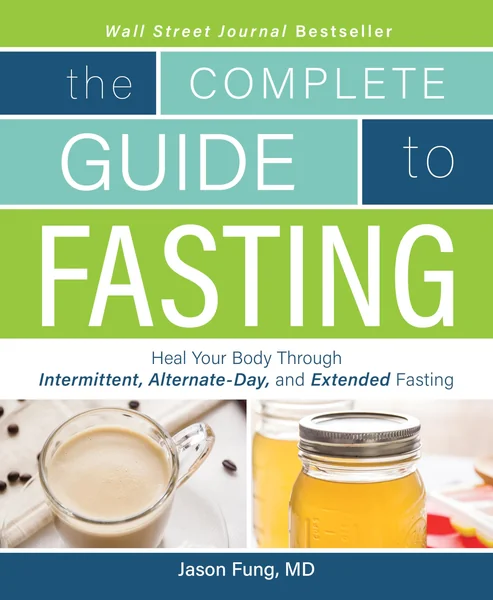
- Readers drawn to The Obesity Code will find natural follow-on reading in several related titles. Dr. Fung's own The Complete Guide to Fasting (co-authored with Jimmy Moore) extends the intermittent fasting argument into a practical manual. Casey Means and Calley Means's Good Energy similarly centers metabolic health as the key to overall wellbeing. Peter Attia's Outlive: The Science and Art of Longevity offers a rigorous, physician-authored look at the science of living longer that overlaps on nutrition and metabolism. For those interested in the food system that shapes our diets, Michael Moss's Salt Sugar Fat and Michael Pollan's In Defense of Food provide essential context, while Michael Greger's How Not to Diet offers a data-driven counterpoint on the science of weight loss.
- Who should read this?
- The Obesity Code is most likely to resonate with readers who feel conventional diet advice — eat less, move more, count calories — has repeatedly failed them and who are open to a hormonal explanation for why that might be. It also appeals to medically curious readers who want a physician-authored, research-referenced challenge to mainstream nutritional orthodoxy, as well as anyone seeking a rigorous yet accessible introduction to intermittent fasting. Those who want a balanced survey of competing obesity research, or who expect the insulin hypothesis to represent scientific consensus, should approach with that expectation adjusted.
- About Jason Fung
- Peter Daou is a Lebanese-American political activist, musician, and author.
- How does this compare to The Complete Guide to Fasting?
- The Obesity Code and The Complete Guide to Fasting (co-authored with Jimmy Moore) are complementary works that serve different purposes. The Obesity Code builds the theoretical and scientific foundation — arguing that obesity is a hormonal disorder and that insulin is the primary driver — while The Complete Guide to Fasting focuses on practical application, detailing specific fasting protocols and implementation strategies. Readers new to Fung's framework are best served starting with The Obesity Code before moving to the fasting guide.
- What is Fung's core argument?
- Fung's central thesis is that obesity is not caused by excess calorie intake or lack of willpower, but is a hormonal disorder driven by chronically elevated insulin levels and insulin resistance. A diet high in carbohydrates and high eating frequency, the theory holds, keeps insulin persistently elevated, which promotes fat storage and prevents the body from accessing stored energy for fuel. The practical implication is that breaking the cycle requires reducing carbohydrate intake and lowering eating frequency — with intermittent fasting as the primary recommended tool. This framework is similar to the carbohydrate-insulin model proposed by obesity researcher David Ludwig, MD, PhD, though it remains actively debated rather than settled science.
Summarize this book
Follow up
Synthesized from verified book data & published reviews · How we review
Press Enter to ask. Answers come from our editorial Q&A — start typing to see related questions.
Age & Reading Level
Recommended age
Adult
Reading level
Adult
who it suits
Skip if you want a balanced survey of competing obesity research or expect the insulin hypothesis to represent scientific consensus.
Editorial Review
Published by Greystone Books in 2016, The Obesity Code by Dr. Jason Fung — a practicing physician and New York Times bestselling author — argues that obesity is fundamentally a hormonal disorder driven by persistently high insulin levels and insulin resistance, not a simple failure of willpower or calorie counting.…
Read the Full ReviewBooks like The Obesity Code
Curated picks for readers who enjoyed The Obesity Code, with our reasoning for each match.
If you liked The Obesity Code