At a glance
LuvemBooks Verdict
Best for: Anyone beginning barbell training — novice lifters, coaches working with early-stage athletes, or experienced trainees who want a biomechanically rigorous, illustrated reference for the five core barbell lifts.
Worth it? Skip it? Read the full verdict →Preview the book

Ask LuvemBooks
Was this helpful?
- Is it worth reading?
- For anyone committed to barbell training — whether a novice lifter, a coach working with beginners and intermediates, or an experienced trainee wanting a biomechanically grounded technique reference — Starting Strength: Basic Barbell Training delivers unmatched depth. The publisher notes it has sold over 500,000 copies in a competitive global fitness market, a figure that reflects sustained real-world relevance across editions. The book rewards careful, repeated reading rather than casual browsing, and functions as both a comprehensive entry point and a lasting reference. Readers seeking guidance on training modalities beyond the barbell, however, will find the book's scope too narrow for their needs.
- Who should read this?
- Starting Strength: Basic Barbell Training is most directly useful for anyone beginning barbell training, coaches working with novice to intermediate lifters, and experienced trainees who want a biomechanically grounded technique reference. The publisher notes that the methods have been successfully applied across a wide demographic — from young athletes to older adults and people in varying states of health and fitness. It is not aimed at readers who train across multiple modalities or who are looking for a broad survey of strength and conditioning approaches. The depth of the material means it is best suited to readers prepared to engage with it carefully and repeatedly.
- Similar books
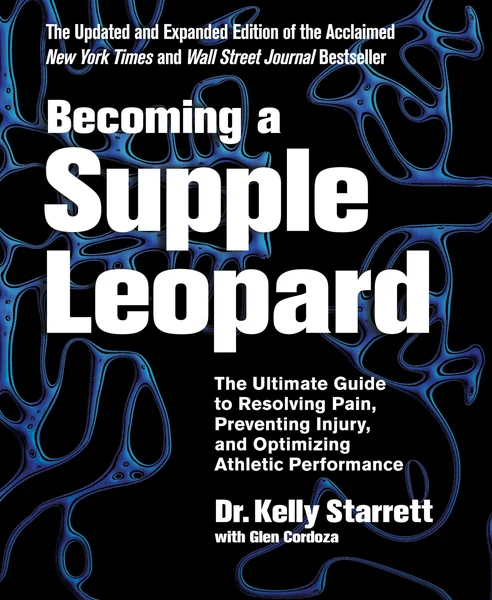
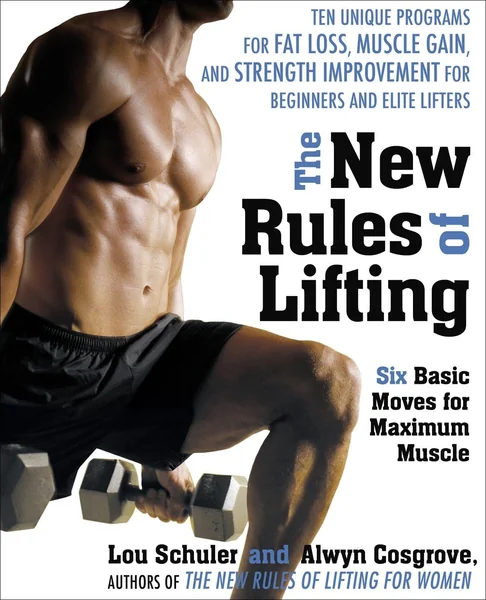
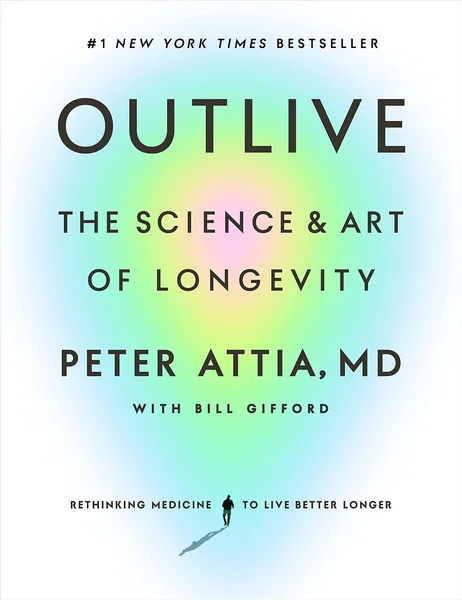
- Readers who appreciated Starting Strength: Basic Barbell Training may want to explore several related titles. The New Rules of Lifting by Lou Schuler and Alwyn Cosgrove and The New Rules of Lifting for Women by Lou Schuler, Cassandra Forsythe, and Alwyn Cosgrove offer structured strength programming with broader applicability across training styles. Becoming a Supple Leopard by Kelly Starrett and Glen Cordoza is a complementary deep-dive into movement mechanics and mobility that pairs well with Rippetoe's technique focus. For readers interested in the long-term health and longevity angle of strength training, Outlive: The Science and Art of Longevity by Peter Attia MD provides a science-grounded perspective. The 4-Hour Body by Timothy Ferriss takes a very different, hack-oriented approach that contrasts sharply with Rippetoe's methodical framework.
- About Mark Rippetoe
- Mark Rippetoe is an American strength training coach, author, former powerlifter, and gym owner.
- What are the book's limitations?
- The most significant limitation of Starting Strength: Basic Barbell Training is its deliberate and exclusive focus on barbell movements. The entire framework is built on a specific biomechanical model centered on vertical loading efficiency — a model that, as analytical readers have noted, effectively excludes horizontal force production, machine-based work, sport-specific movement patterns, and a wide range of other legitimate strength and conditioning approaches. The book does not address these modalities even to dismiss them; they are simply outside its defined scope. Readers seeking a comprehensive survey of strength training methods will need to supplement it with other resources.
- How is the book structured and presented?
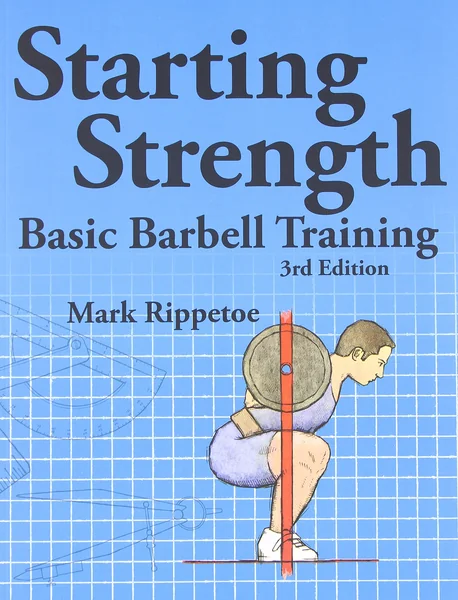
- Starting Strength: Basic Barbell Training is organized around a detailed biomechanical analysis of five core barbell exercises, supplemented by a chapter on key assistance exercises. The book's defining formal feature is its more than 750 illustrations by Jason Kelly, which work alongside the text to convey technique with the stated goal of allowing a reader to learn correct form directly from the page. The publisher states plainly that no other barbell training book provides this degree of detailed instruction on the basic lifts. The depth of the material means it rewards careful, repeated reading rather than casual browsing.
Summarize this book
Follow up
Synthesized from verified book data & published reviews · How we review
Press Enter to ask. Answers come from our editorial Q&A — start typing to see related questions.
Age & Reading Level
Recommended age
Adult
Reading level
Adult
who it suits
Skip if you train across multiple modalities and want guidance that extends beyond barbell movements.
Editorial Review
Mark Rippetoe's Starting Strength: Basic Barbell Training (3rd edition) is a rigorously detailed strength training manual that has sold over 500,000 copies and earned a reputation as the most thorough barbell instruction text in print, making it an essential reference for anyone serious about building strength with a barbell.
Read the Full ReviewBooks like Starting Strength
Curated picks for readers who enjoyed Starting Strength, with our reasoning for each match.
If you liked Starting Strength