7 min read
4.8
· 1,565 Amazon ratingsShare This Review
Mastering the Art of French Cooking, Volume 2 by Julia Child & Simone Beck Review: An Essential, Ambitious Sequel for Serious Home Cooks
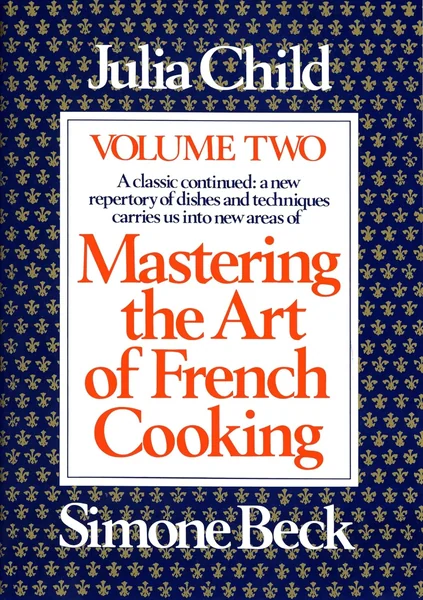
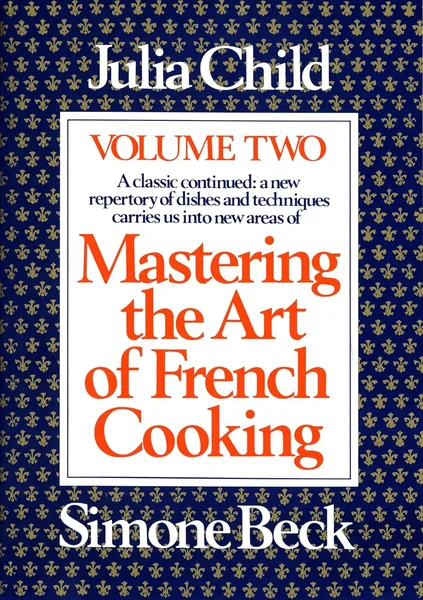
Published by Alfred A. Knopf in 1970, Mastering the Art of French Cooking, Volume 2 is the sequel to the landmark cookbook by Julia Child and Simone Beck (with Sidonie Coryn providing the illustrations), expanding the original's mission to bring rigorous, step-by-step French cookery to American home kitchens — from French bread and peasant ragoûts to salted goose and royal Napoleons. This review assesses the book's content, organisation, and published critical reception; it does not reflect a kitchen test.
LuvemBooks Verdict
Best for
The committed home cook who has already worked through Volume 1 and wants to advance their French technique into more demanding territory — breads, charcuterie, braises, and elaborate pastries.
Worth it if
You have a genuine foundation in the methods established by Volume 1 and are ready to invest real time in ambitious, technique-forward French cooking rather than quick weeknight meals.
Skip if
You are coming to the series cold — without Volume 1 as a basis — or you need a practical, modern, quick-reference kitchen companion rather than a deep and demanding instructional sequel written for 1970s American kitchens.
What readers & critics say
Wikipedia notes that Volume 2 was well received on its 1970 release, with critics praising its comprehensiveness, and that the series as a whole transformed the American cookbook industry. The StoryGraph reader voices echo a recurring practical caveat: because the book predates modern kitchen equipment, some procedures and cook times may need adjustment for today's ovens.
Sources: Wikipedia, The StoryGraphAsk LuvemBooks
Was this helpful?
- Is it worth reading?
- For the committed, curious home cook who has already developed confidence with foundational French technique through Volume 1, Volume 2 is a rewarding and logical next step. Critics praised its comprehensiveness on release in 1970, and the book remains widely used today. It is not a quick-reference weeknight resource — its value lies in depth, ambition, and the sustained instruction Child and Beck bring to complex preparations. Readers who have not worked through Volume 1 first may find the transition unexpectedly steep, as the book explicitly builds on the methods and vocabulary established there.
- Similar books
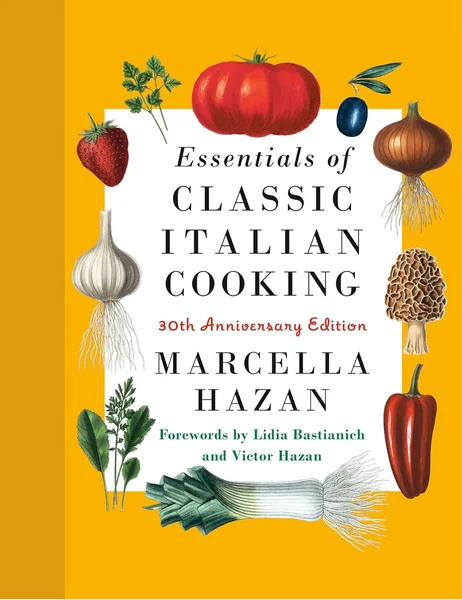
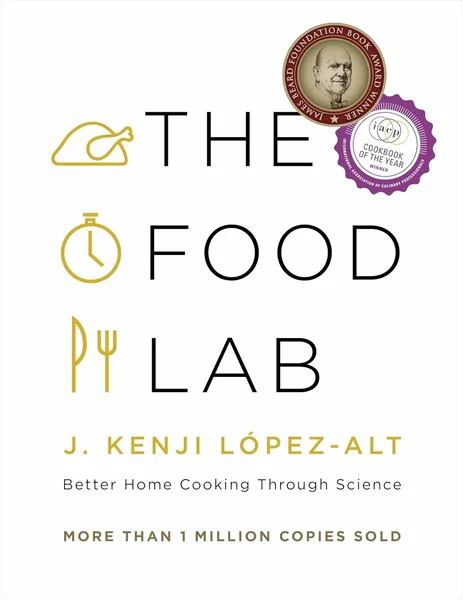
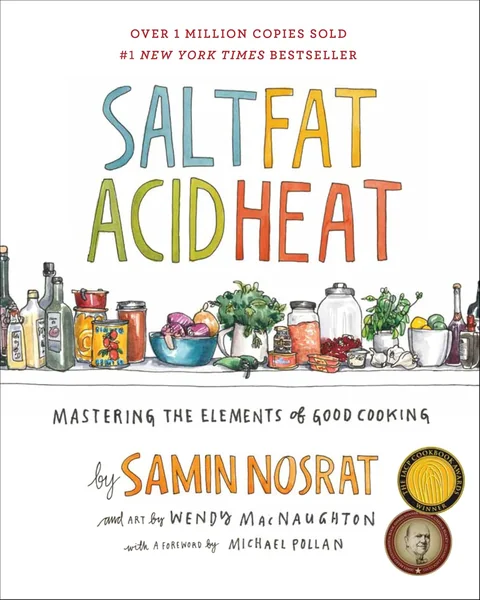
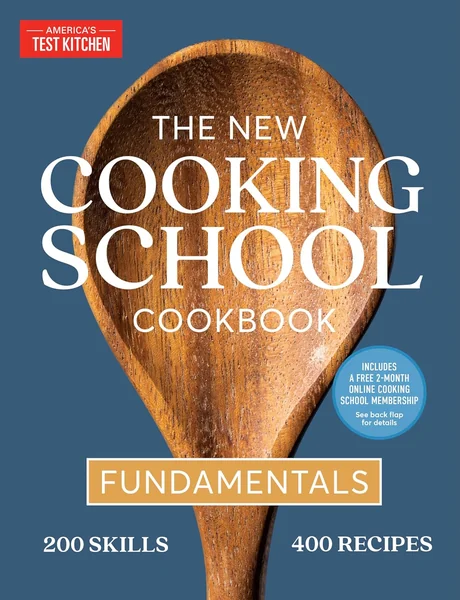
- Readers drawn to Volume 2 will find natural companion reads among these curated titles. Mastering the Art of French Cooking, Volume 1 by Julia Child, Louisette Bertholle, and Simone Beck is the essential prerequisite — the foundational volume that established the step-by-step instructional model this sequel builds upon. For technique-forward cooking in a different tradition, Marcella Hazan's Essentials of Classic Italian Cooking offers the same kind of rigorous, clarity-driven instruction applied to Italian cuisine. J. Kenji López-Alt's The Food Lab: Better Home Cooking Through Science appeals to the same analytically minded cook who wants to understand the why behind each step. The New Cooking School Cookbook: Fundamentals by America's Test Kitchen and Samin Nosrat's Salt, Fat, Acid, Heat: Mastering the Elements of Good Cooking round out the shelf for cooks who prioritise deep understanding over quick results.
- Who should read this?
- Volume 2 is squarely aimed at the committed, curious home cook who has already worked through Volume 1 and is ready to advance into more demanding French technique. It rewards patience and ambition — readers who want to master complex preparations like French bread, charcuterie, braises, and elaborate pastries will find it deeply instructive. It is not well suited to beginners, casual weeknight cooks, or anyone coming to French cooking without the foundational grounding that Volume 1 provides. Serious food enthusiasts invested in the tradition of technique-forward French home cooking that Child and Beck helped define will find Volume 2 the logical and satisfying culmination of that journey.
- Why is this series historically important?
- According to Julia Child biographer Noel Riley Fitch, the publication of Volume 1 instantaneously changed the entire American cookbook industry, pushing publishers toward clarity and precision and away from the "chatty and sometimes sketchy" style that had previously defined American cookbooks. Alice Waters, quoted in the publisher's materials, credited Child with having "paved the way for Chez Panisse and so many others by demystifying French food and by reconnecting pleasure and delight with cooking and eating at the table." Volume 2, released nine years after Volume 1 in 1970, extended that legacy by proving the model could sustain an even more ambitious and technically demanding range of dishes.
- Who collaborated on Volume 2?
- Volume 2 was authored by Julia Child and Simone Beck, with illustrations by Sidonie Coryn. Notably, Louisette Bertholle — who co-wrote Volume 1 alongside Child and Beck — did not participate in Volume 2. The book was published by Alfred A. Knopf on October 12, 1970, nine years after the landmark first volume appeared in 1961.
- What are the book's main limitations?
- Two limitations stand out. First, because Volume 2 is explicitly designed as a continuation of Volume 1, readers without that prior foundation will face a steeper learning curve than expected — the book assumes familiarity with the methods and vocabulary the earlier volume established. Second, written in 1970 for mid-century American kitchens, some ingredients, terminology, or equipment the book takes for granted have since shifted in availability or common usage. Neither limitation is described as a fatal flaw — the book remains widely used — but both are practical considerations for a cook approaching it fresh today.
Summarize this book
Follow up
Synthesized from verified book data & published reviews · How we review
Press Enter to ask. Answers come from our editorial Q&A — start typing to see related questions.
Age & Reading Level
Recommended age
Adult
Reading level
Adult
Skip if you want a quick-reference weeknight cookbook or are new to French cooking without Volume 1 as a foundation.
Our Review
What the Book Is and What It Contains
Significance and Place in Culinary History
Recipe Design and Instructional Approach
Genuine Limitations to Consider
Who This Book Is For
Sources & Further Reading
The key facts and claims in this review are grounded in the retrieved, verified sources listed below.
- 1
en.wikipedia.org
- 2
- 3
unabridgedbookstore.com
- 4
- 5
beta.thestorygraph.com
- 6
- 7
Books like Mastering the Art of French Cooking, Volume 2
Curated picks for readers who enjoyed Mastering the Art of French Cooking, Volume 2, with our reasoning for each match.
If you liked Mastering the Art of French Cooking, Volume 2