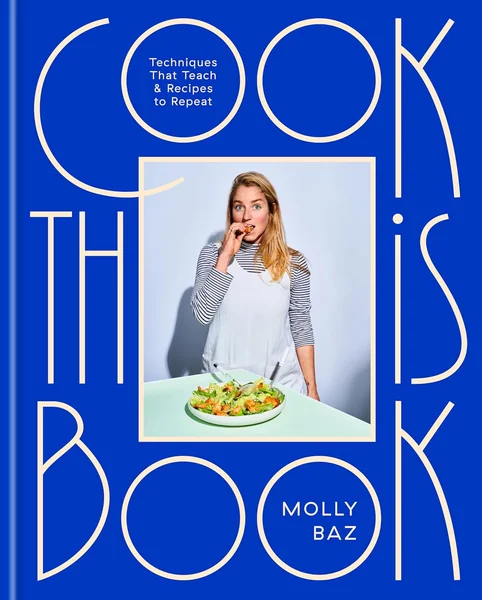
Cook This Book: Techniques That Teach
by Molly Baz
A technique-focused cookbook by Molly Baz pairing instructional lessons with repeatable recipes designed to build genuine cooking confidence at home.
Read our full reviewAt a glance
LuvemBooks Verdict
Best for: Food-obsessed beginners who crave good eating but lack kitchen confidence — anyone who wants structured, technique-first teaching alongside genuinely exciting recipes, with built-in video support for moments when text alone isn't enough.
Worth it? Skip it? Read the full verdict →Preview the book
Ask LuvemBooks
Was this helpful?
- Is it worth reading?
- For its intended audience — food-lovers who, in Baz's own words, "seek out, celebrate, and obsess over good food but lack the skills and confidence necessary to make it at home" — Cook This Book is a well-executed and meaningfully differentiated entry in the foundational cookbook space. The combination of frank technique instruction, QR-code video support, and approachable-yet-ambitious recipes like Pastrami Roast Chicken with Schmaltzy Onions and Dill gives it a clear purpose that Publishers Weekly, NPR, Food52, and Taste of Home all recognized. Experienced cooks who already command searing, seasoning, and flavor-balancing will find the instructional apparatus geared toward a less advanced reader, and those seeking sheer recipe volume should note the intentionally focused collection of 95 recipes.
- Similar books
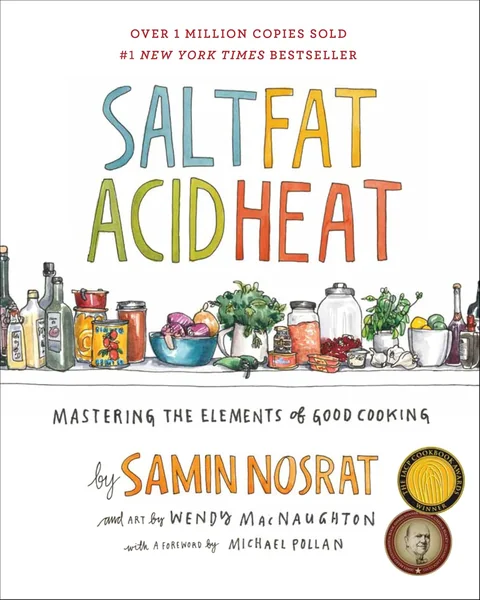
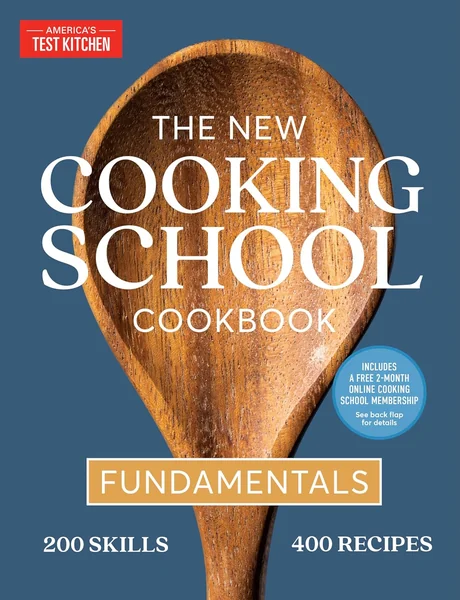
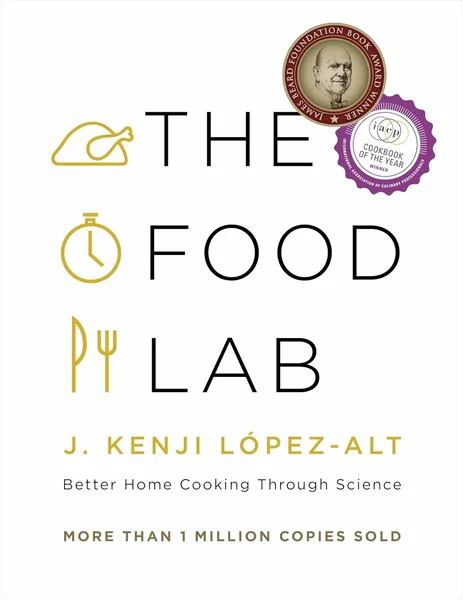
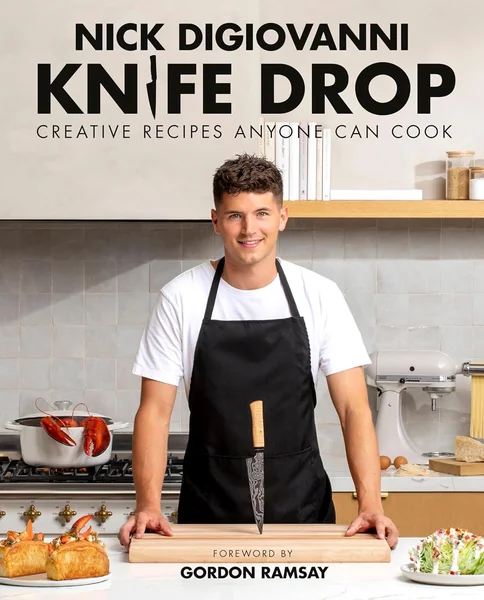
- Readers drawn to Cook This Book's teaching-first approach will find strong companions in Salt, Fat, Acid, Heat: Mastering the Elements of Good Cooking by Samin Nosrat, which similarly builds foundational understanding around core principles rather than recipe lists. The New Cooking School Cookbook: Fundamentals by America's Test Kitchen takes an encyclopedic, technique-driven approach for cooks who want broader coverage. The Food Lab: Better Home Cooking Through Science by J. Kenji López-Alt appeals to analytically minded cooks who want to understand the why behind every technique. For those drawn to Baz's bold, flavor-forward sensibility, Ottolenghi Flavor: A Cookbook by Yotam Ottolenghi, Ixta Belfrage, and Tara Wigley offers inventive combinations with deep attention to flavor layering. Knife Drop: Creative Recipes Anyone Can Cook by Nick DiGiovanni is another accessible, personality-driven cookbook for cooks who want approachable recipes with creative flair.
- Who should read this?
- Cook This Book is explicitly designed for food-lovers who, in Baz's own words, "seek out, celebrate, and obsess over good food but lack the skills and confidence necessary to make it at home." Its layered educational apparatus — Golden Rules, QR-code videos, flavor and texture charts, post-cook checklists — makes it an especially strong fit for beginners who want to become improvisational, confident cooks rather than just recipe-followers. Experienced cooks who already command foundational techniques will find the instructional scaffolding geared toward a less advanced reader, and those seeking a large recipe library should note the intentionally focused 95-recipe collection.
- About Molly Baz
- Molly Baz is an American cook, recipe developer, and food writer.
- How does the teaching approach work?
- Cook This Book builds its curriculum around several interlocking layers: "Molly's Golden Rules" (principles like "read the recipe first" and "season as you go"), flavor and texture charts, post-cook checklists, a technique rundown at the back covering poaching, searing, sautéing, and roasting, and dozens of QR codes linking to video tutorials hosted by Baz herself. TASTE observed that this structure marks a genuine departure from convention, noting that Baz is "rethinking the way we engage with cookbooks." The recipes are organized by ingredient rather than by course, reinforcing the idea that each dish is a vehicle for a lesson rather than a standalone endpoint.
- What are the standout recipes?
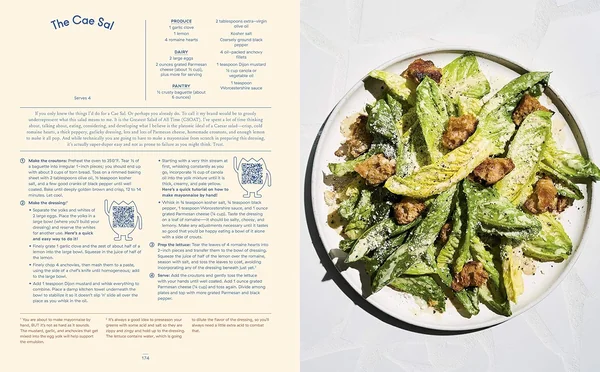
- The review highlights several standout dishes across the book's range: Baz's now-famous Chorizo and Chickpea Carbonara, her signature "Cae Sal" (a riff on Caesar salad), Pastrami Roast Chicken with Schmaltzy Onions and Dill, milk-braised chicken legs with bacon, beans, and kale, seared scallops in curried butter, and zesty orzo a limone. The dessert chapter features a black sesame shortbread and a miso apple tart — both reflecting Baz's willingness to bring unexpected flavors without overcomplicating technique. Publishers Weekly noted the recipes do not "ask too much of the home cook" while still delivering an ambitious flavor profile.
Summarize this book
Follow up
Synthesized from verified book data & published reviews · How we review
Press Enter to ask. Answers come from our editorial Q&A — start typing to see related questions.
Age & Reading Level
Recommended age
Adult
Reading level
Adult
who it suits
Skip if you are an experienced cook seeking advanced technique instruction or an encyclopedic recipe reference.
Editorial Review
Cook This Book: Techniques That Teach by Molly Baz (Clarkson Potter, April 2021) is a New York Times bestseller and foundational cookbook designed to turn food-lovers who lack kitchen confidence into capable, improvisational cooks — named one of the best cookbooks of the year by NPR, Food52, and Taste of Home.
Read the Full ReviewBooks like Cook This Book
Curated picks for readers who enjoyed Cook This Book, with our reasoning for each match.
If you liked Cook This Book