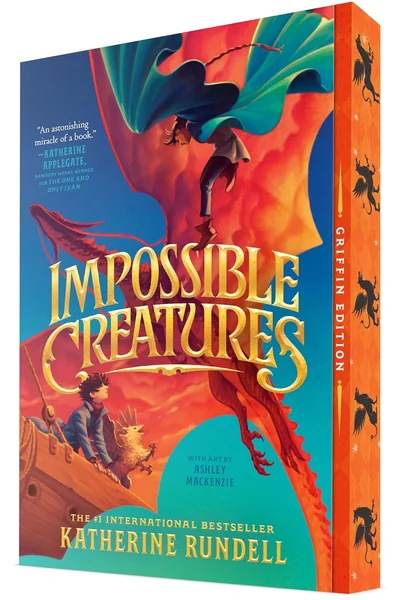
Maurice Sendak
1
Books ReviewedAsk LuvemBooks about Maurice Sendak
- Where should I start?
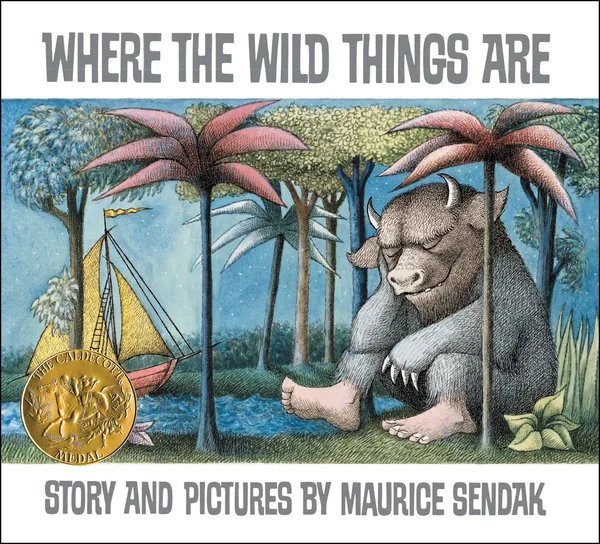
- Where the Wild Things Are is the natural starting point — it is Sendak's most iconic work and the clearest expression of his central themes: a child's emotional intensity, the power of imagination as a coping mechanism, and the pull of home even after adventure. At under 400 words of text, it is brief but dense with meaning, and its imagery has proven durable enough to resonate across generations of readers.
- What's their writing style?
- Sendak wrote in spare, rhythmically controlled prose that works in close partnership with his illustrations — the text in Where the Wild Things Are is minimal, and the pictures carry much of the emotional and narrative weight, including a wordless sequence near the center of the book where the wild rumpus unfolds entirely in images. His tone is serious without being grim; he does not offer easy comfort, but he does offer resolution. The darkness in his work is purposeful, grounded in a respect for what children actually feel rather than what adults wish they felt.
- Books we've reviewed
- LuvemBooks has reviewed one Sendak title: Where the Wild Things Are — the 1963 picture book that established his reputation and remains his most widely read work, currently carrying an Amazon reader rating of 4.9 out of 5 from over 37,000 ratings.
- Why is Where the Wild Things Are trending?
- Where the Wild Things Are is currently experiencing a resurgence of reader interest on LuvemBooks — a pattern that is not unusual for this title, which has periodically re-entered cultural conversation since its 1963 publication. Classic picture books of this stature often see renewed attention around anniversaries, school reading initiatives, or moments when themes of emotional regulation and childhood psychology become prominent in parenting and education discussions.
- What genre do they write?
- Sendak worked in children's picture books — a format in which text and illustration carry equal narrative responsibility. Within that broad category, his work sits closer to the literary and psychological end of the spectrum than to light entertainment: his books engage with fear, longing, and the interior lives of children in ways that have made them subjects of serious critical attention as well as beloved reading experiences.
- What should I read after Where the Wild Things Are?
- If Where the Wild Things Are resonated with you, Sendak's own In the Night Kitchen is the most direct next step — it shares the same dreamlike logic and the same trust in a child protagonist navigating a strange nocturnal world. For readers interested in picture books that handle childhood emotion with similar seriousness, Mo Willems' Elephant and Piggie series or Jon Klassen's picture books offer a more contemporary take on the same respect for young readers.
Who is Maurice Sendak?
Follow up
Synthesized from verified book data & published reviews · How we review
Press Enter to ask. Answers come from our editorial Q&A — start typing to see related questions.
Authors Like Maurice Sendak
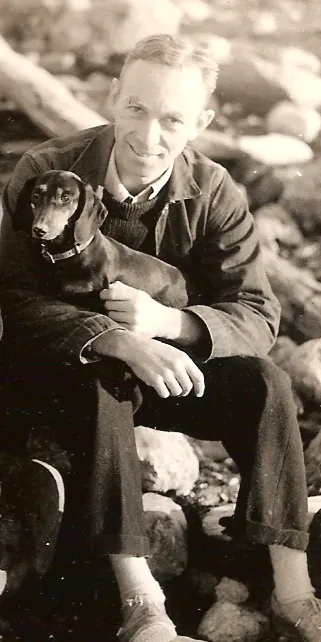
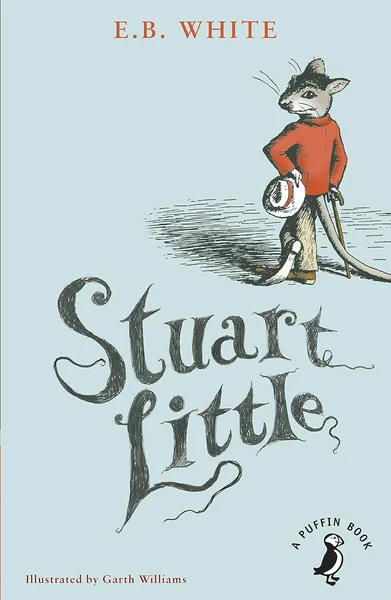
E. B. White
Born Elwyn Brooks White in 1899, this masterful American writer carved out a unique literary legacy that bridged the sophisticated world of *The New Yorker* magazine and the enchanting realm of children's literature.
2 books reviewed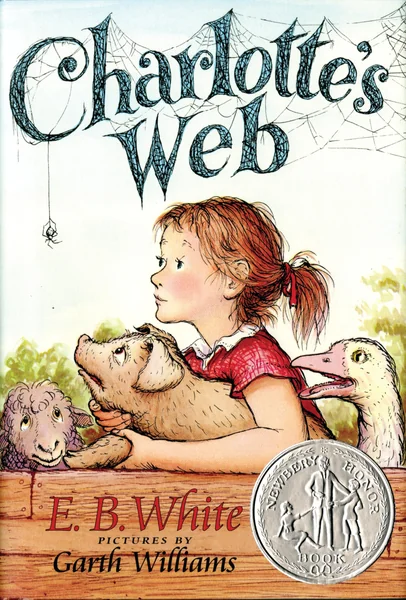

Eric Carle
Eric Carle was an American author, designer and illustrator of children's books.
1 book reviewed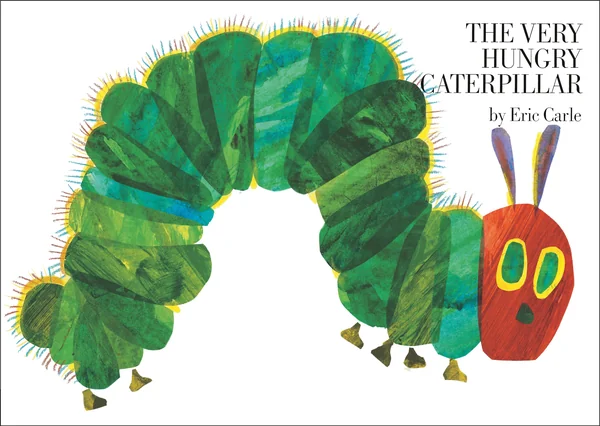
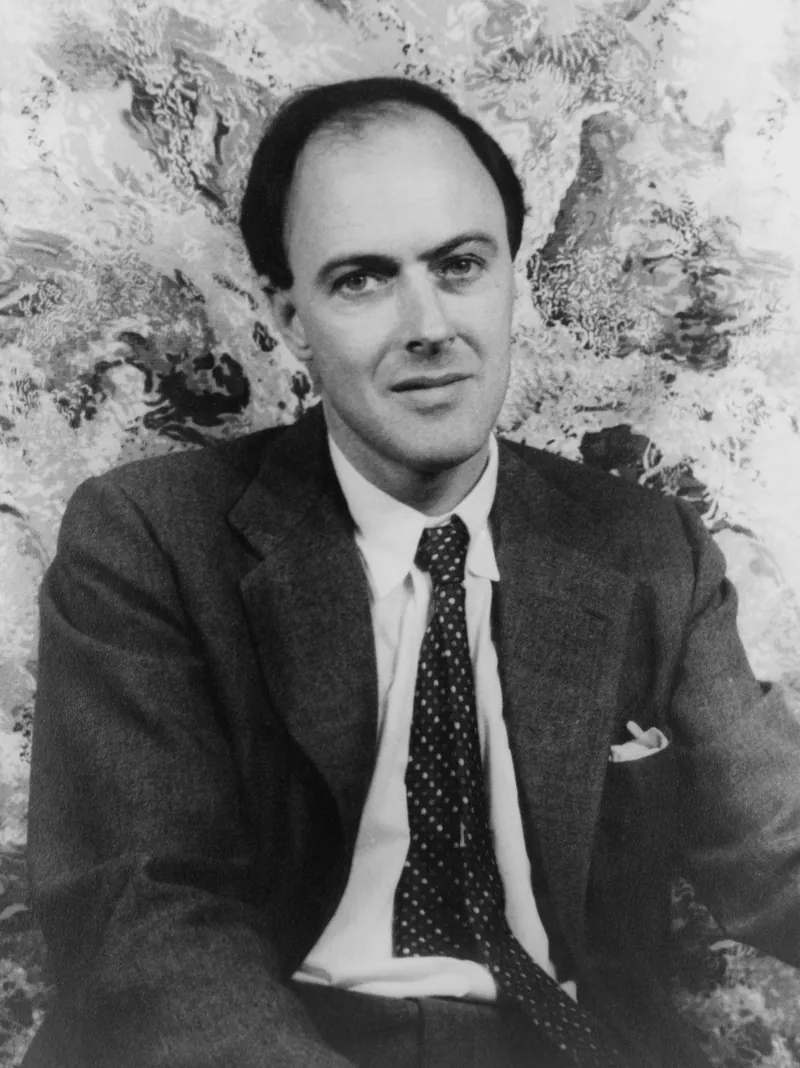
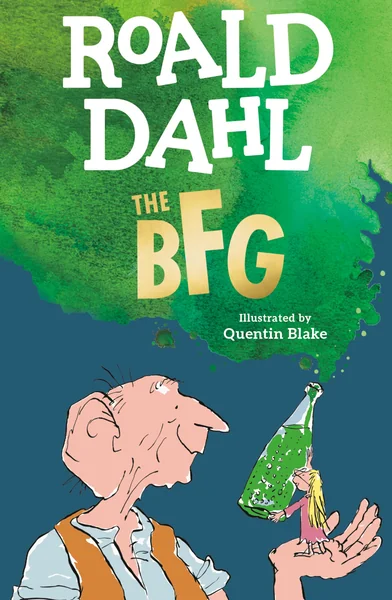
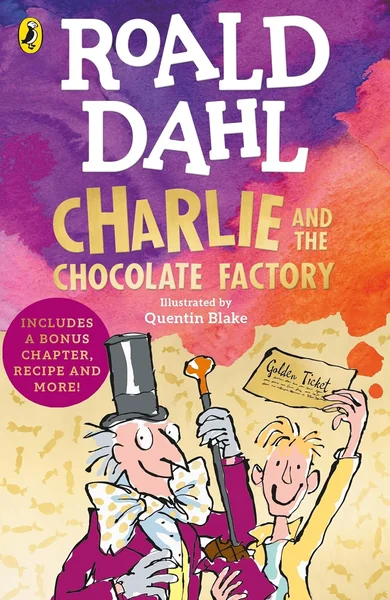
Roald Dahl
Roald Dahl was a British author of popular children's literature and short stories, a poet, screenwriter and a wartime fighter ace.
3 books reviewed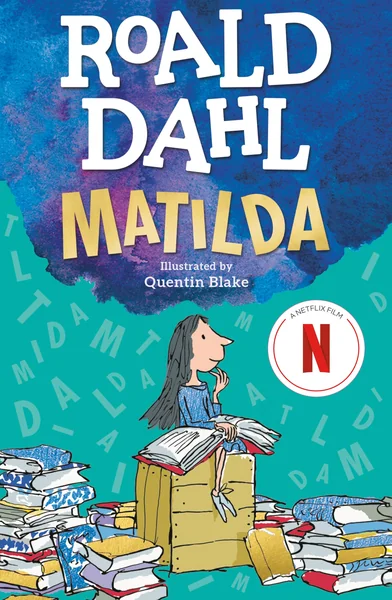
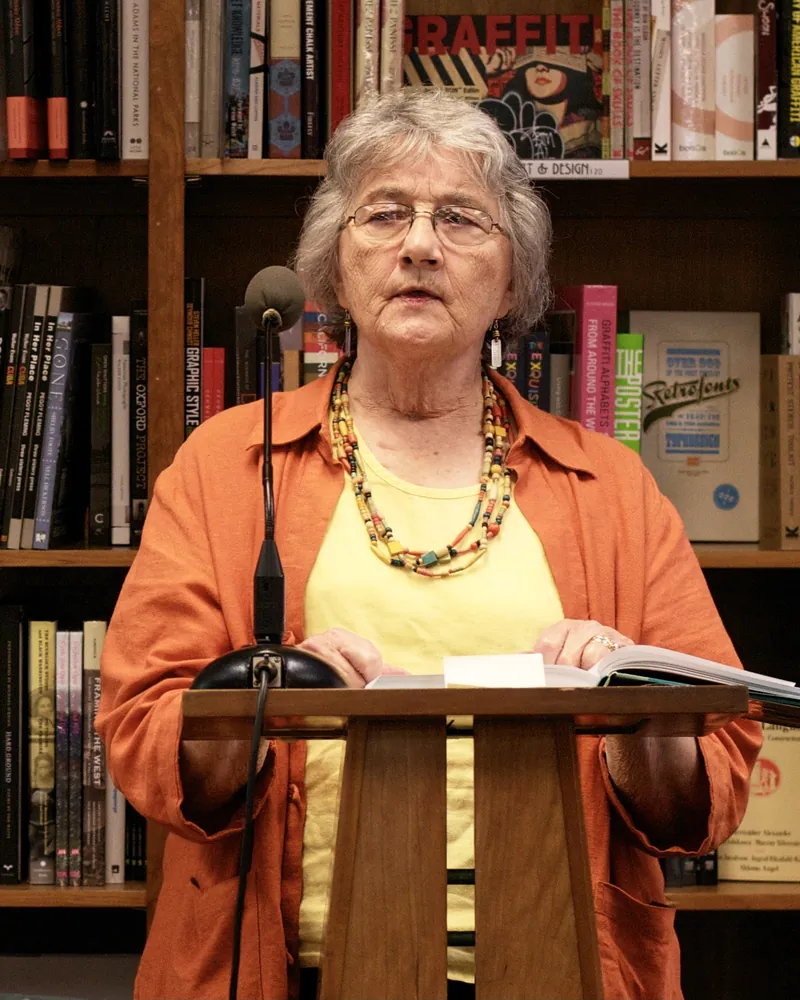
Katherine Paterson
Katherine Paterson is an American writer best known for children's novels, including Bridge to Terabithia (1977), which won the Newbery Medal in 1978.
1 book reviewed
Tui T. Sutherland
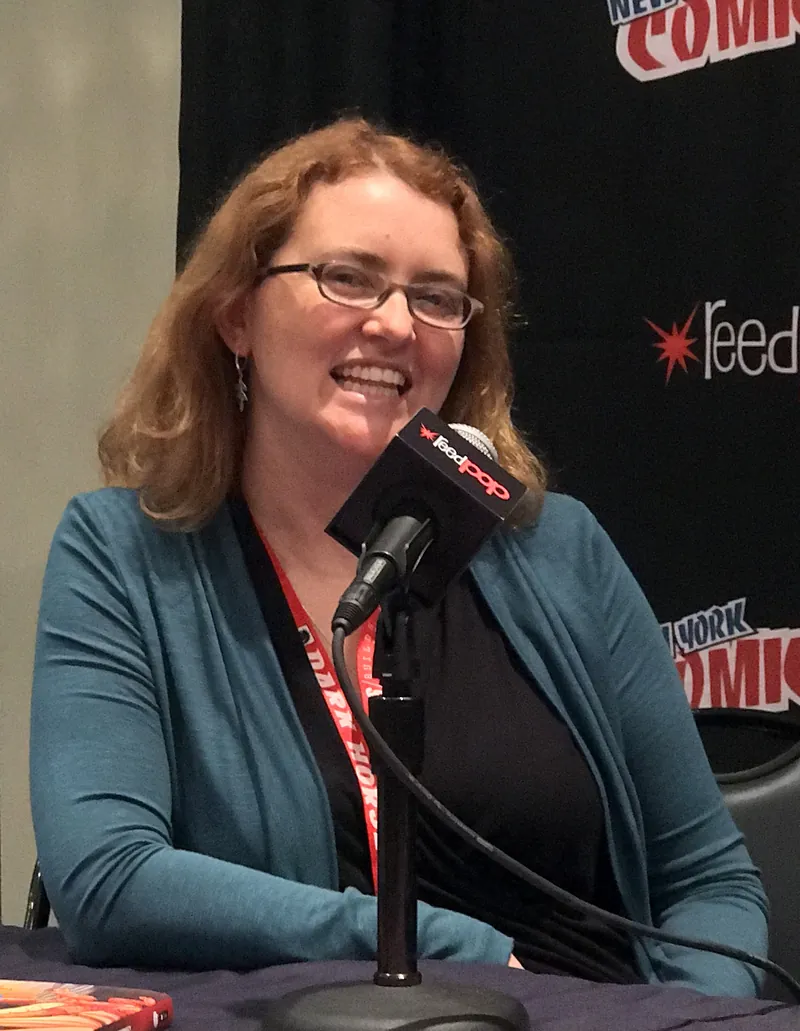
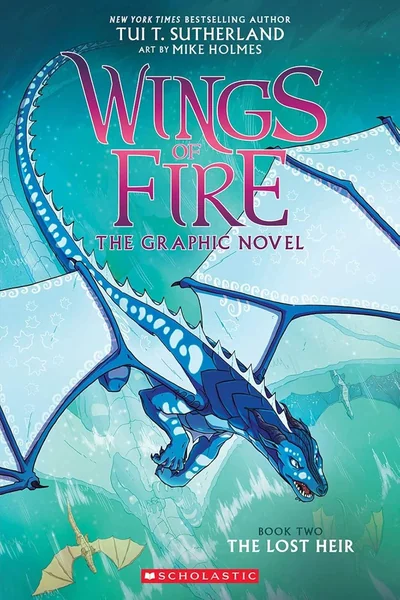
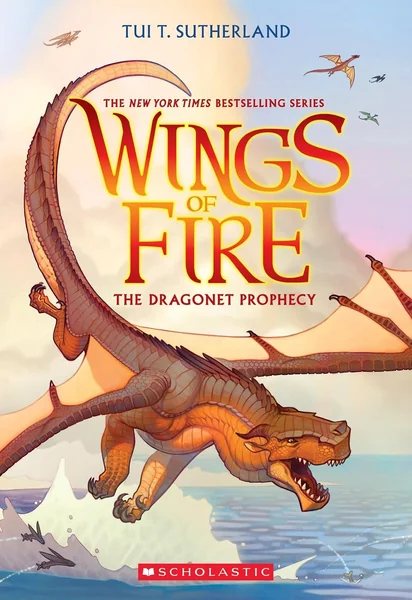
Tui Tamara Sutherland is an American children's book author who has written more than 60 books under her own name and under several pen names.
3 books reviewed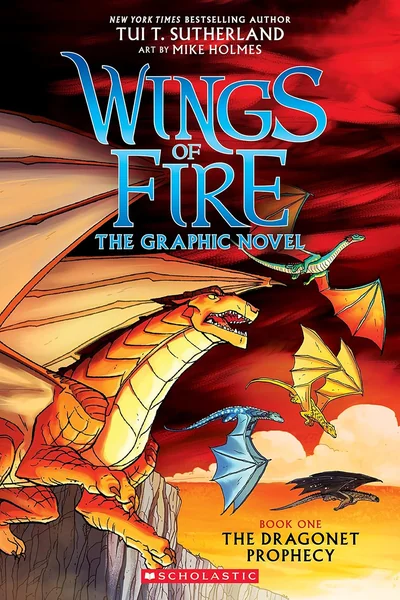
Katherine Rundell
Katherine Rundell is an English author and academic.
1 book reviewed